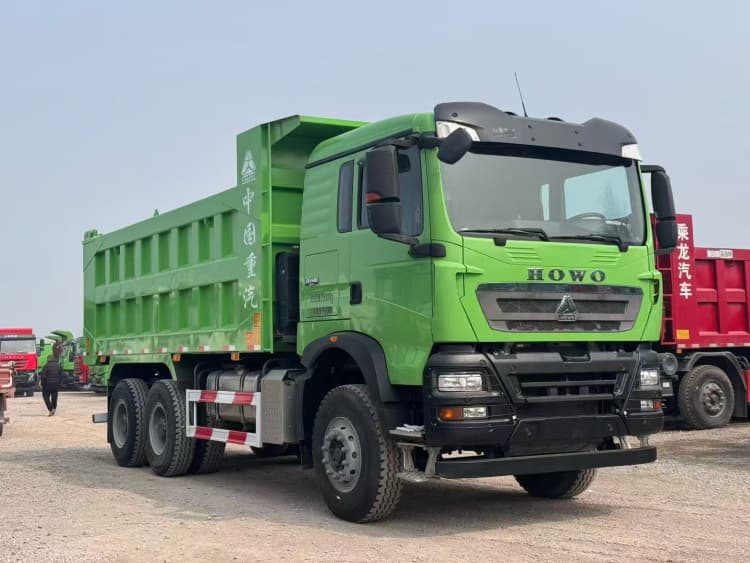
REMAN ROAD Quality Log: Full Lifecycle Records Of Certified Reman Trucks
Intro
Most rebuilt heavy trucks only carry simple service slips or part replacement lists. These fragmented records cannot prove structural screening, fatigue testing or system calibration. The REMAN ROAD Quality Log is built to solve this transparency gap. It acts as a living asset ledger, attached permanently to one chassis VIN. It starts at core intake, runs through every certified reman trucks production gate, and continues updating while the truck operates in the fleet. It is not an optional sales attachment. It is the core deliverable that proves a truck meets the certified reman trucks definition, rather than cosmetic refurbishment.
Core intake and pre-qualification records
This is the opening section of every quality log. Engineers document the original service history of the core asset, including mileage, accident records, overload incidents, overheating and lubrication failure logs. Preliminary dimensional checks, visual corrosion surveys and intake acceptance decisions are timestamped and signed off. If the core is rejected at this stage, the log will record the disqualification reason and route it to recycling.
Only cores that pass screening move forward into the truck reman workflow. All entries are locked to the VIN, so buyers can trace the asset’s origin before any rebuild work begins.
Full disassembly and bare-metal inspection records
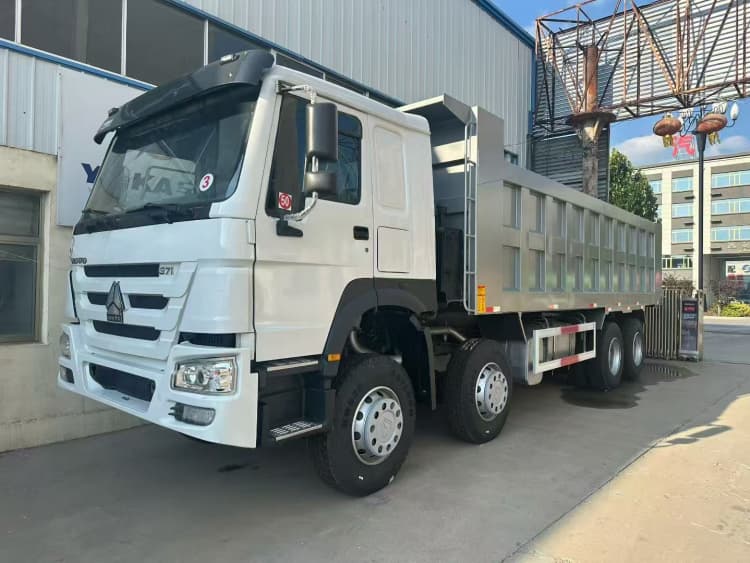
Once intake is approved, the log captures evidence from full disassembly. It records the date each assembly is stripped, and links photo and scan evidence of hidden zones: frame flanges, weld roots, suspension brackets and steering knuckles. After precision cleaning, mapped NDT results and dimensional readings are logged numerically. Corrosion depth, frame twist, wall thickness and deformation values are stored against OEM tolerance benchmarks.
No high-risk inspection zone is marked as “passed” without measured data. This truck reman workflow section answers one critical procurement question: which hidden fatigue risks were found, and which components failed structural screening.
Component classification and traceability records
Every disassembled component receives a formal classification entry in the log: repair, precision rework or mandatory replacement. For repaired parts, the log records the repair method, post-repair NDT recheck result and inspector signature.
For reworked parts, it logs stock removal volume, machining standard and final geometry reading. For replaced parts, the serial number, OEM grade, supplier batch and compliance certificate are attached. Mandatory renewal items such as bearings, seals, brake diaphragms and fasteners are flagged separately.
This truck reman workflow eliminates the ambiguity of “we replaced some worn parts”. Fleets can see exactly which critical wear items were reset and which original core parts were retained.
Assembly, calibration and bench validation records
The log then tracks system-level build work. Technicians record reset parameters for driveline angles, gear contact pattern, bearing preload, brake balance and steering geometry. Every calibration value is cross-referenced to OEM specification sheets. Independent bench test results are attached here: engine dyno power-torque curves, gearbox and axle load-temperature logs, brake thermal cycling and fade test data.
Any non-conformity found during testing, and the corrective action taken, is also preserved. No test result is erased after rework. The full audit trail of failures and corrections stays visible for future audits.
Duty envelope, certification and independent audit records
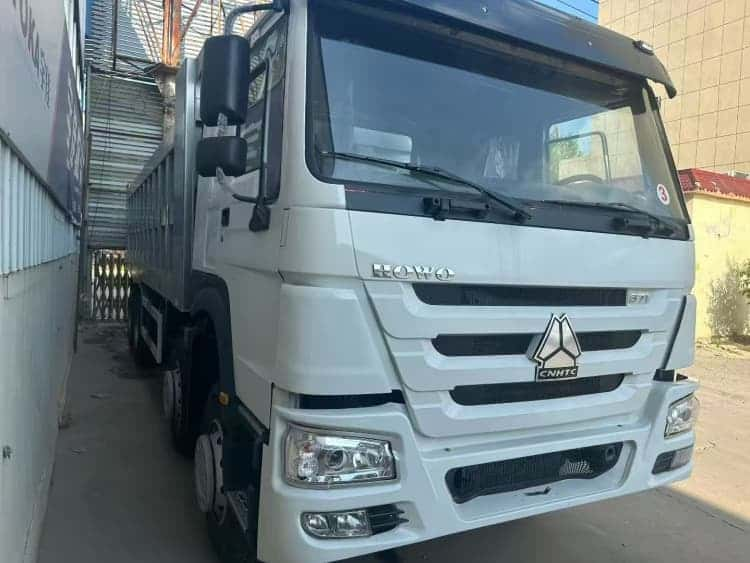
After all quality gates are cleared, the formal duty envelope is written into the log. It defines maximum payload, permitted terrain, daily operating cycle limits and scheduled structural re-inspection intervals. An independent auditor reviews the entire log stack, cross-checks measurement data against test evidence and signs the reman certification.
The authentic reman trucks certificate ID, audit date and inspector credentials are stored alongside the technical data. This section sets the safe operating boundary for the truck’s second lifecycle, and ties warranty coverage to those defined limits.
In-service update channel during fleet operation
The Quality Log remains active after delivery. When the truck enters fleet service, authorised maintenance teams can add new entries. It records periodic structural re-inspection results, routine maintenance, component replacements, abnormal fault events and payload over-limit alerts.
It does not only store reman factory data. It continues to build the asset’s wear history through its second lifecycle. If the truck is rotated to another fleet or resold, the complete continuous log transfers with it. This stabilises residual value by giving the next buyer a trusted, continuous history.
End-of-second-lifecycle assessment
When the truck approaches the end of its approved service window, the log supports the final re-evaluation. Inspectors review accumulated inspection data and latest NDT readings. Two outcomes are formally documented. If the chassis still holds sufficient fatigue margin, it may be approved for a new reman cycle.
If structural capacity falls below the threshold, it is marked for responsible recycling. The certified reman trucks log closes with a final retirement report, which can be used for fleet ESG accounting and carbon-cycle documentation.
What separates REMAN ROAD Quality Log from ordinary service records?
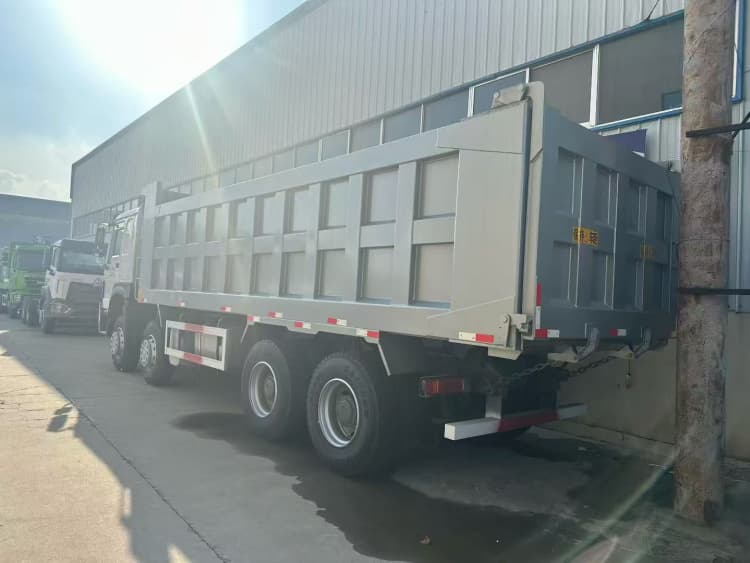
Ordinary repair logs focus on faults and fixes. The REMAN ROAD certified reman trucks Quality Log focuses on the asset’s structural baseline and fatigue margin. It does not only list what was changed; it records what was measured, tested and validated. It is immutable: critical production entries cannot be edited or deleted after audit sign-off.
Many refurbished trucks come with simple part invoices, but they lack mapped NDT, dimensional data and loaded bench proof. Without this structured log, there is no reliable way to verify whether the asset has completed a genuine lifecycle reset certified reman trucks.
Practical value for fleet users
- For procurement teams, the log supports pre-purchase audit and supplier comparison.
- For maintenance teams, it sets the correct baseline and re-inspection schedule.
- For finance and asset managers, it provides consistent data for TCO and depreciation modelling.
- For sustainability teams, it delivers auditable evidence for carbon reduction and ESG disclosures.
When disputes or warranty events arise, the authentic reman trucks log provides objective engineering evidence instead of conflicting verbal descriptions.
Final Takeaway
The REMAN ROAD Quality Log is a continuous, VIN-locked digital ledger covering the full lifecycle of certified reman trucks. It begins with core intake screening, captures disassembly, NDT, component classification, system calibration and loaded validation, and stays live throughout fleet operation until final retirement.
It turns abstract quality promises into measurable, traceable engineering records. For fleet buyers, certified reman trucks without a complete Quality Log is not a verified authentic reman trucks.