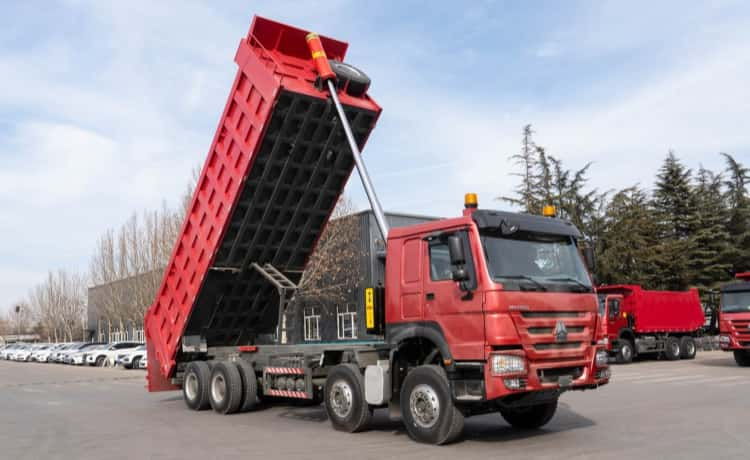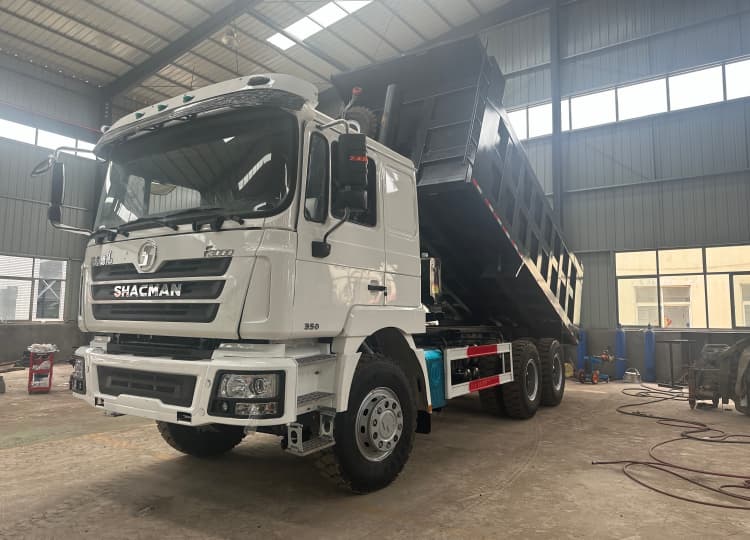
Dynamic Road Test Standards For Finished Reman Heavy Vehicles
Intro
Bench and dyno tests verify components in isolated, stable environments. But real road dynamics introduce combined loads: vibration, gradient force, lateral sway, thermal build-up and transient torque shocks. A reman heavy vehicles may pass all bench checks yet fail under mixed road conditions because of hidden frame misalignment, driveline phasing error or brake imbalance.
REMAN ROAD’s dynamic road test standard is not a casual test drive. It is a structured, instrumented validation sequence, executed under defined load, speed and terrain rules. All data is logged into the VIN-linked Quality Log, forming a mandatory proof of authentic reman release.
Pre-test prerequisite rules
The reman heavy vehicles road test only starts after the unit completes static inspection and bench validation.
- Load configuration matches the approved duty envelope, up to the rated maximum axle load and gross vehicle weight.
- Tyre pressure, suspension preload, brake stroke and ECU calibration are locked and recorded.
- All monitoring instruments are fitted: GPS speed, brake temperature sensors, vibration transducers, OBD data logger and lateral acceleration sensors.
- The test environment is documented: ambient temperature, dry/wet pavement, wind speed and road surface grade.
- Any fault code, fluid leak or abnormal noise found before moving off halts the test immediately.
No dynamic road test is accepted on empty-lite loading for a heavy-duty vocational reman heavy vehicles. Light-load test drives only screen obvious faults; they cannot validate the dynamic safety margin built into reman engineering.
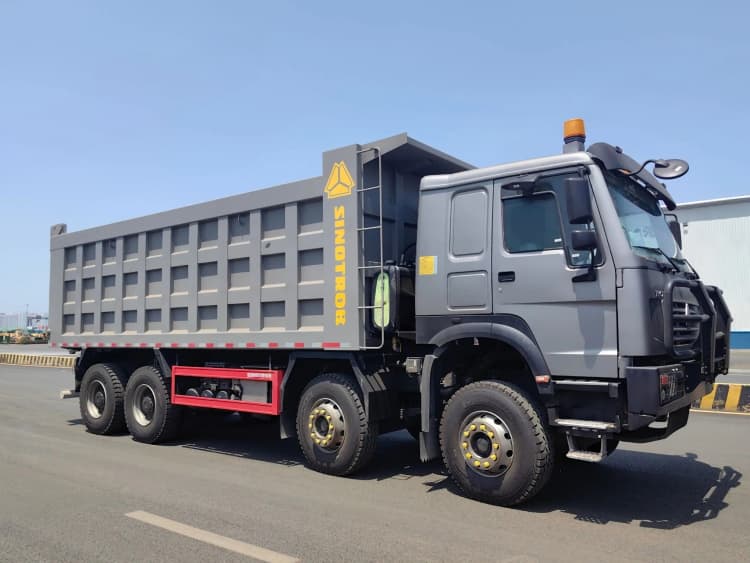
Core test modules in REMAN ROAD dynamic road test standard
Steady-state highway cruising test
This module verifies system harmony under sustained torque and speed. The truck runs at multiple steady speed bands, including the fleet’s typical operating cruising speed. Engine fuel curve, transmission shift smoothness, driveline vibration, axle temperature rise and exhaust behaviour are tracked continuously.
Key pass criteria: no resonant vibration, stable oil temperature, no thermal drift in gear meshing, and fuel consumption within the OEM tolerance band. Persistent vibration at fixed speed is a classic sign of incorrect driveline angle or phasing, which bench tests often miss.
Gradient climbing and load pull test
This test targets vocational heavy-load scenarios. On a defined uphill gradient, the truck accelerates and holds steady speed under full test load. Testers monitor torque delivery, clutch/lock-up behaviour, turbo response, exhaust temperature and hydraulic system stability.
For tipper and mining reman heavy vehicles, repeated ramp hold and creep operations are added. It exposes weak points such as slipping driveline components, inadequate cooling, or mismatched gear sets that only surface under continuous high torque.
Sequenced braking and thermal fade test
Braking performance is validated in cold and hot states. The sequence includes gentle cyclic braking, medium deceleration stops and controlled emergency braking runs. Axle-by-axle brake pressure balance, stopping distance, deceleration consistency and brake temperature rise are logged.
After repeated heavy braking cycles, the system must maintain stable stopping performance without severe fade, pull or uneven locking. ABS and EBS response are verified under loaded, low-grip pavement where applicable. This confirms the reman heavy vehicles brake system reset delivers the designed safety margin, not just cold-functioning brakes.
Steering and handling stability test
Controlled lane change, constant-radius turning and low-speed manoeuvring are performed under load. Testers record steering return, kingpin play, lateral acceleration, roll tendency and steering pull.
Frame twist, offset axle geometry or worn steering components will create directional drift during loaded cornering. The standard rejects units with persistent pull, vague centring or excessive body sway outside OEM dynamic limits.
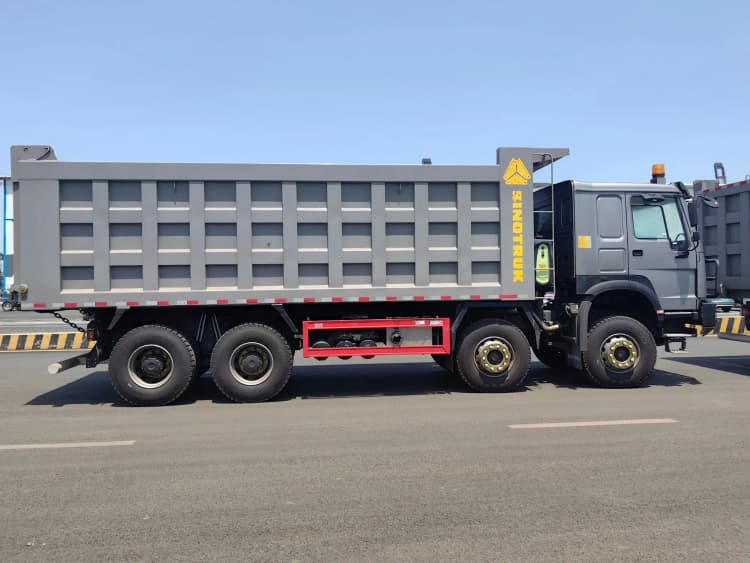
Rough road vibration and durability screening
A calibrated rough-surface section is included in the route. This introduces cyclic shock loads to frame joints, suspension mounts and fasteners. Inspectors watch for loose connections, shifting alignment, abnormal rattles and progressive seal leakage.
This is critical for reman heavy vehicles, because residual frame stress or improperly torqued joints can fail under cyclic road shock even if they passed static checks.
Transmission and shifting cycle test
Full acceleration, deceleration, upshift and downshift cycles run across the gear range. Automatic and manual gearboxes are checked for hunting, delayed shift, harsh engagement and torque dropout.
Shifting under uphill load is the key evaluation point. Gear backlash and contact pattern issues that are stable on bench often reveal themselves under road torque transients.
Post-test teardown inspection spot-check
After completing the full road cycle and cooling down, selected high-risk zones are rechecked. Fastener torque, seal leakage, brake rotor/drum thermal distortion and suspension bushing displacement are sampled.
If any measurable shift appears after the dynamic load cycle, the unit is sent back for system recalibration, not simply retested.
Acceptance and rejection logic
All recorded parameters must sit within the OEM dynamic tolerance range defined for the model. Minor non-safety noise that does not affect performance may be logged for corrective fine-tuning. Any of these conditions triggers automatic rejection:
- Brake pull, fade or stopping distance out of specification
- Sustained resonant driveline vibration under rated load
- Steering drift or unstable handling under loaded cornering
- Excessive thermal rise in axle, wheel end or powertrain
- New leakage or loosening after cyclic shock load
- Unresolved active fault codes related to safety and powertrain
A failed road test is not fixed by a simple adjustment on site. The root cause is traced back to geometry, calibration or assembly before the full test sequence is restarted.
Documentation handover into the Quality Log
Every reman heavy vehicles road test event is timestamped and attached to the VIN record. Deliverables include:
- Full GPS speed and route trace
- Brake temperature, deceleration and stopping data
- Vibration and thermal logs for powertrain and driveline
- OBD snapshot and fault history
- Inspector sign-off and independent audit cross-reference
- Notes of any non-conformity and corrective action taken
This reman heavy vehicles dataset becomes part of the asset’s permanent traceability, proving that dynamic behaviour was validated under load, not just observed casually.
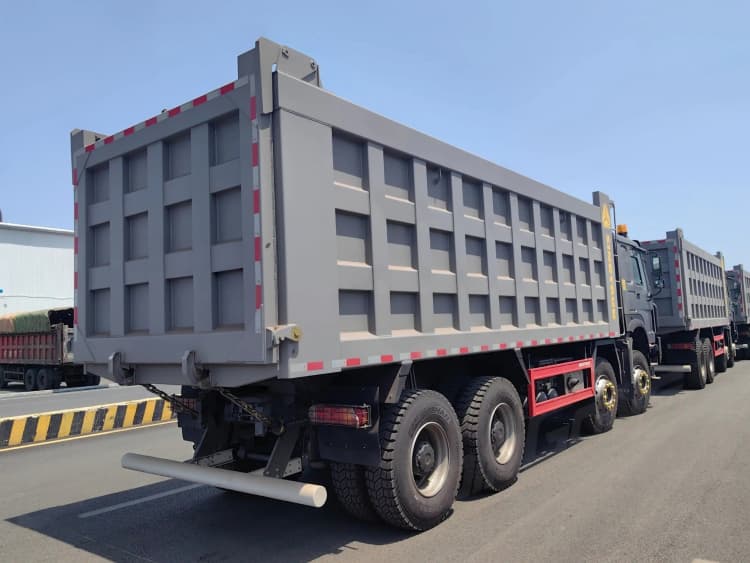
The difference between standardised dynamic road test and ordinary test drive
Ordinary post-repair road runs focus on obvious defects: leaks, loud noise and whether the truck can move. REMAN ROAD reman heavy vehicles dynamic road testing is benchmarked against OEM dynamic engineering targets and executed under rated load.
It is designed to expose latent defects created by inherited chassis geometry, forced stress and system imbalance — the risks that are unique to reman heavy vehicles built from used cores. Reman heavy vehicles that skips this instrumented loaded road validation cannot be confirmed to meet its safety and performance benchmark.
Final Takeaway
Dynamic road testing is the real-world validation gate for finished reman heavy vehicles. It combines steady cruise, gradient pull, sequenced braking, handling manoeuvres, rough-road shock loading and post-cycle rechecks, all under load matching the unit’s duty envelope. Its purpose is to confirm that the calibrated system performs as an integrated whole under transient road forces, not just that individual components pass bench tests. For REMAN ROAD, certified authentic reman heavy vehicles cannot be released without a complete, logged and audited dynamic road test record.