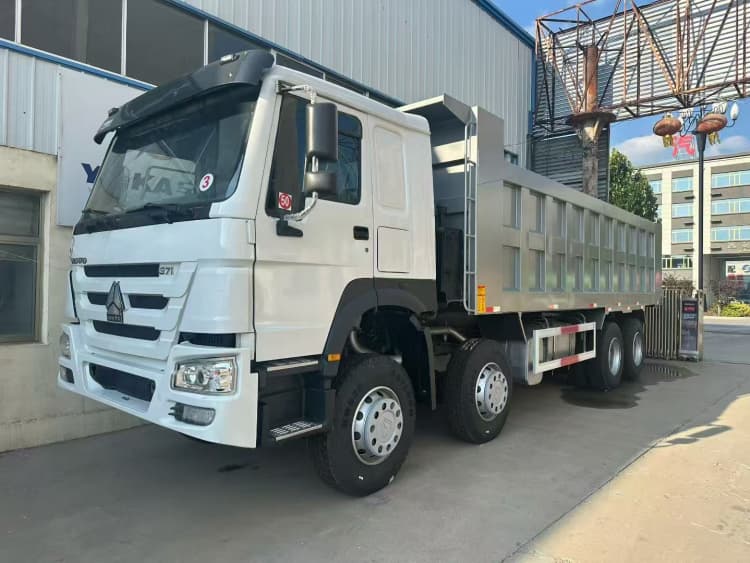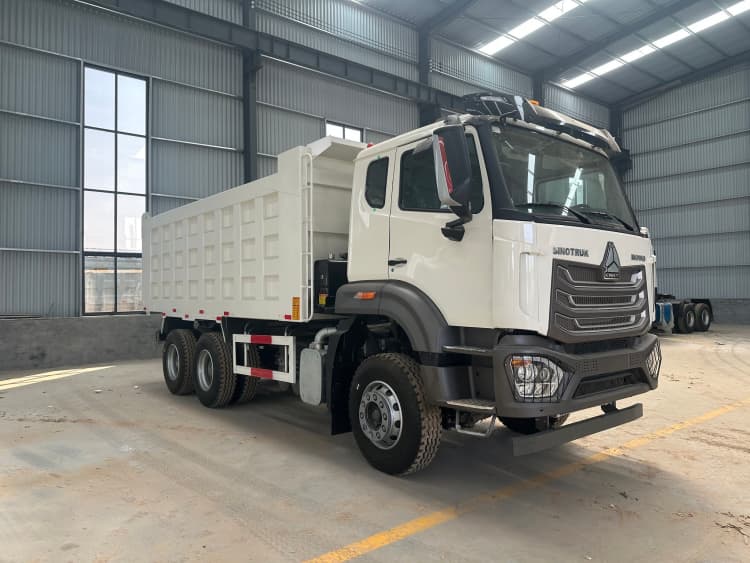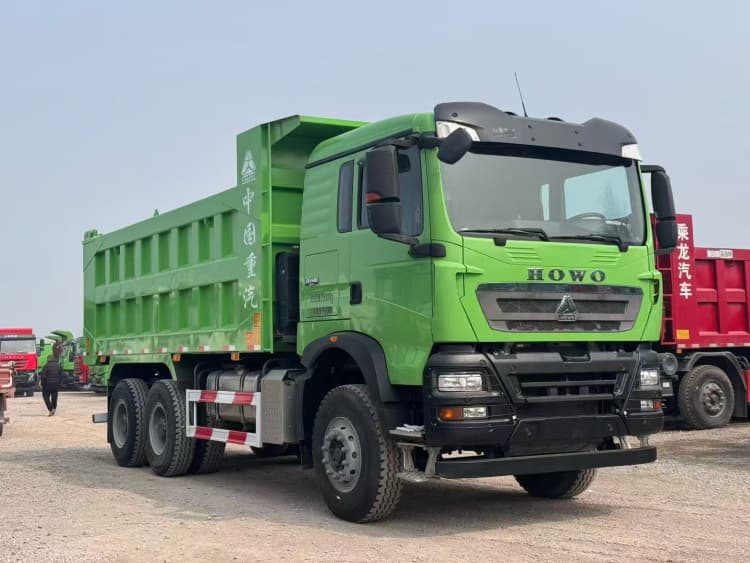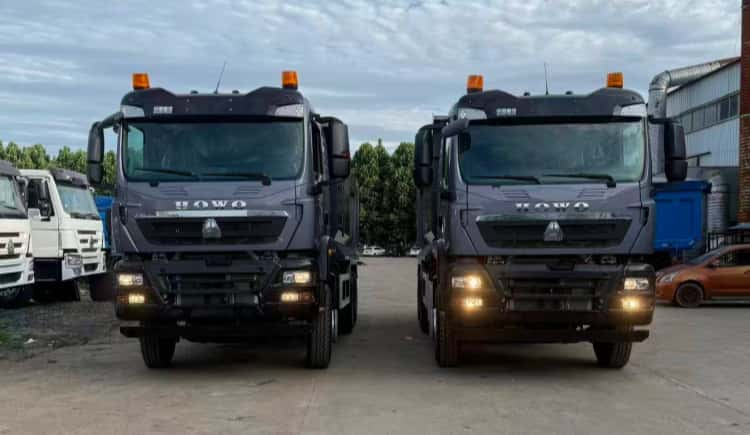
Why REMAN ROAD Reman Benchmarks Matter For Global Heavy Asset Buyers?
Introduction
For global buyers of heavy transport equipment, one persistent market pain point has been the lack of shared yardsticks for remanufacturing. One reman supplier’s definition of “remanufactured” might only mean surface touch-up and partial part replacement, while another follows rigorous industrial remanufacturing workflows. Without common benchmarks, international procurement teams struggle to compare quotes, validate quality and pass customs, tender and ESG audits across different regions.
REMAN ROAD reman benchmarks resolve this gap. Built around fixed technical tolerances, mandatory inspection gates, traceability rules and standardised certification, REMAN ROAD criteria deliver a repeatable reference standard for every heavy truck leaving the facility.
For cross-border fleet operators, mining contractors and infrastructure project owners, these benchmarks are not merely internal production rules — they are a reliable, internationally understandable buying reference that removes ambiguity from global heavy asset procurement.

Uniform Benchmarks Eliminate Cross-Border Quality Comparison Chaos
Buyers sourcing heavy trucks from multiple suppliers and multiple countries previously faced impossible comparison challenges. Each reman supplier used its own checklist, acceptance thresholds and testing scope. A truck labelled “remanufactured” from one exporter could carry far lower reliability than another, with no easy way to draw an apples-to-apples comparison.
REMAN ROAD reman benchmarks define fixed minimum requirements: full disassembly, industrial deep cleaning, dimensional verification, mandatory NDT fatigue screening, compulsory renewal of all high-cycle consumables, assembly torque control and load performance validation. Every unit is measured against the same checklist.
Global buyers no longer judge quality based on photos, sales descriptions or local workshop reputation. They evaluate assets against a fixed, published benchmark, making tender evaluation and supplier comparison fair and straightforward.
Benchmarks Create Definable Audit Evidence For Regulators and Auditors
Customs inspectors, multilateral project auditors, ESG assessors and tender evaluators increasingly require objective proof of genuine remanufacturing. Vague rebuild statements are rejected, as they carry greenwashing risk.
REMAN ROAD criteria define exactly which records must be generated and archived per vehicle: core incoming qualification sheets, NDT inspection reports, dimension measurement logs, component replacement manifests, reassembly checklists and final dynamometer and road test results.
Every document is tied to the unique serial number of the truck. When auditors request proof, the benchmark framework tells both buyer and auditor exactly what evidence should exist. This structured compliance package works consistently across different national import rules and international project audit frameworks.
They Help Procurement Teams Set Clear tender Specifications
Many contractors and public buyers want to include certified reman trucks in tender documents, yet they lack concrete wording to define what “remanufactured” actually means. This opens doors for non-compliant bids from suppliers doing superficial refurbishment.
REMAN ROAD reman benchmark framework provides a ready-to-adopt specification baseline. Buyers can reference these standard criteria directly within tender requirements, setting a non-negotiable floor for process depth and inspection coverage.
This filters out low-quality informal rebuild bids automatically, saving procurement teams the cost and risk of evaluating non-conforming offers and protecting project uptime from under-specification vehicles.
Standard Reman Benchmarks Stabilise TCO Predictability For Multi-Site Fleets
Operators running fleets across multiple countries, mine sites and construction zones need consistent reliability across every asset. If rebuild quality varies wildly, maintenance spending, downtime and residual value will also swing unpredictably.
REMAN ROAD reman benchmarks ensure that every reman truck delivers a consistent performance baseline, regardless of which production batch it comes from. Fleet planners can build standardised maintenance schedules, forecast repair budgets and model residual value with greater confidence.
This uniformity is especially valuable for firms managing distributed assets across remote worksites in Africa, Southeast Asia and Latin America, where local service support is limited and unplanned downtime carries severe financial penalties.

Benchmarks Form The Foundation Of Trusted, Transferable Warranty Coverage
A credible warranty cannot exist without clear, agreed-upon standards of work. Many rebuilders offer weak or ambiguous warranty terms because their internal workflows are inconsistent.
REMAN ROAD criteria define the scope of work that supports warranty eligibility. Any truck built to these published benchmarks qualifies for the formal warranty package. The warranty is not a standalone marketing promise; it is tied directly to adherence to the benchmark checklist.
For global buyers, this means the warranty has real technical backing, and any warranty claim can be assessed objectively against the same benchmark criteria, avoiding disputes over whether a failure stemmed from inadequate rebuild work or operational misuse.
They Support Harmonised Circular Economy and Carbon Reporting
When buyers report embodied carbon savings and circular economy KPIs, they need consistent rules for calculating those benefits. REMAN ROAD reman benchmarks clarify which vehicle cores qualify for reman, which assemblies are retained, and which components must be renewed. This consistent boundary removes variance in carbon-saving calculations from one vehicle to the next.
Sustainability officers can aggregate fleet-level circular metrics with confidence, because every truck follows the same rules for core reuse. This consistency helps listed companies, large subcontractors and multilateral-funded projects submit robust, repeatable ESG disclosures across reporting cycles.
REMAN ROAD Reman Benchmarks Raise The Baseline For The Entire Global Reman Ecosystem
Beyond individual fleet purchases, published, open benchmarks push the whole industry forward. As more global buyers reference REMAN ROAD criteria in their procurement specifications, competing reman suppliers are incentivised to upgrade their inspection and remanufacturing workflows to match this higher bar.
Over time, this reduces the share of low-grade rebuilds circulating in cross-border heavy equipment trade. For buyers, this market uplift creates a healthier supply environment, where genuine reman truck becomes the expected norm rather than an exceptional premium offering.
Conclusion
REMAN ROAD reman benchmarks are vital for global heavy asset buyers because they turn vague reman claims into measurable, auditable, comparable specifications. They eliminate the information asymmetry that has long haunted cross-border heavy vehicle procurement, simplify tender drafting, streamline customs clearance and audit reviews, and underpin reliable warranty and TCO planning.
By building procurement decisions around these unified benchmarks, international fleet and project buyers turn remanufacturing from a high-risk purchasing gamble into a controlled, predictable asset strategy aligned with cost, uptime and sustainability targets.