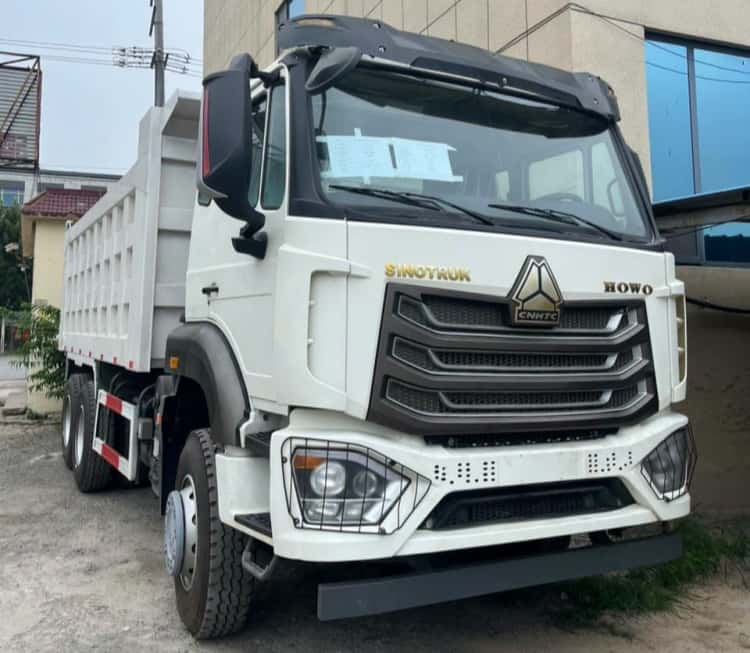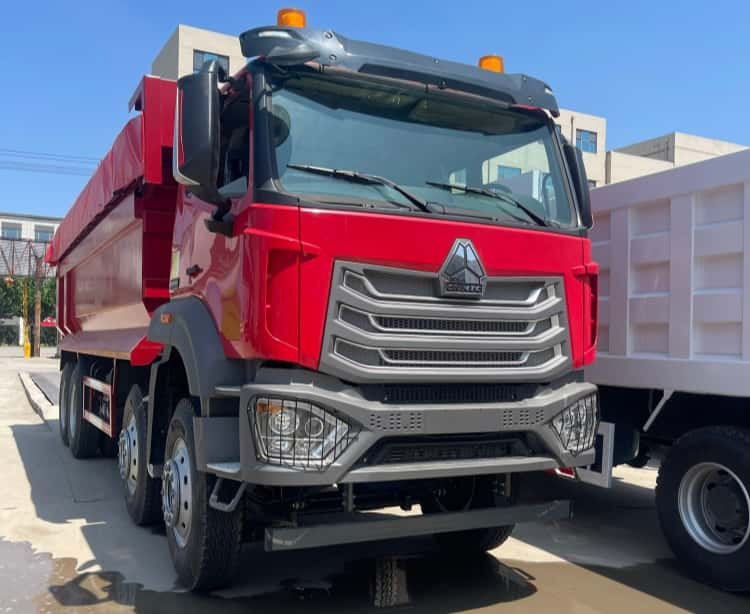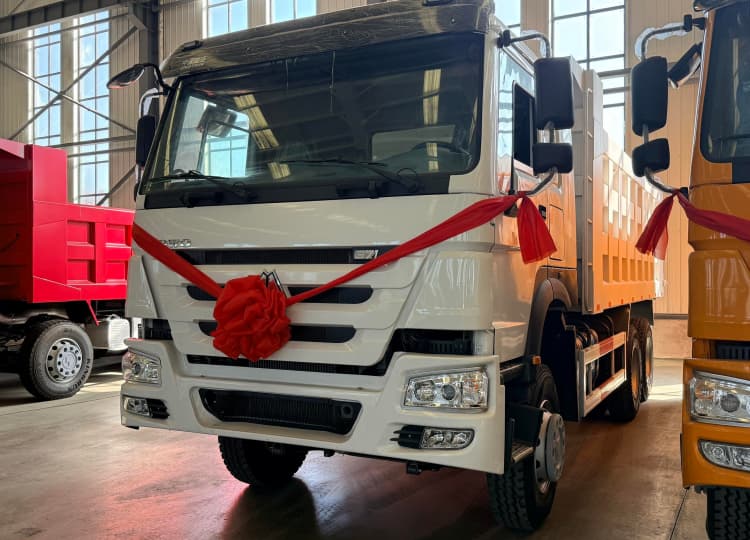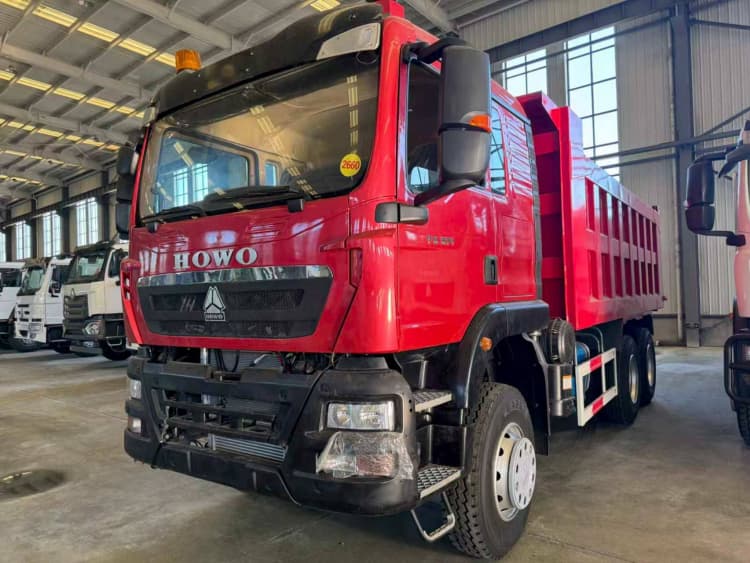
REMAN ROAD Vision: Promote Standardization Across Global Reman Industry
Introduction
The global heavy vehicle remanufacturing industry holds huge resource-saving and low-carbon potential, yet it continues to be held back by fragmented definitions, inconsistent technical workflows and uneven quality thresholds. Across different regions, workshops follow local, self-defined rebuild checklists.
The same label “reman truck” can describe anything from a fully restored, tested unit with NDT inspection to a superficially refurbished vehicle with only cosmetic fixes. This fragmentation creates confusion for fleet buyers, complicates cross-border compliance, slows policy recognition and limits the sector’s ability to scale as a legitimate circular industry.
REMAN ROAD vision is to promote meaningful standardization across the global reman sector: to build, share and popularise unified, repeatable technical benchmarks that separate authentic remanufacturing from casual repair and refurbishment, so reman can grow into a trusted, mainstream pillar of the heavy vehicle value chain.
Standardization Eliminates The Definitional Chaos That Plagues Global Reman Trade
At present, there is still no universally adopted floor specification for heavy vehicle remanufacturing in many markets. Without shared rules, buyers, customs officers, tender evaluators and auditors interpret remanufacturing differently.
REMAN ROAD vision advocates for harmonised baseline definitions and mandatory process gates: full disassembly of the whole vehicle, deep industrial cleaning, dimensional verification, non‑destructive fatigue testing of high-load assemblies, unconditional replacement of all high-cycle consumable parts, controlled reassembly torque standards and final performance validation.
When these rules are widely adopted, stakeholders everywhere share one clear understanding of what genuine authentic remanufacturing means. Buyers can compare remanufacturers fairly, and low-quality remanufacturers labelled as reman can be filtered out systematically.
Shared Standards Create A Trust Foundation For Cross-Border Reman Asset Flows
Cross-border fleets, mining operators and infrastructure contractors are among the biggest beneficiaries of industry-wide standardisation. Today, a rebuild acceptable in one country may fail import evaluation in another, because local inspectors hold different expectations.
When the whole industry converges around aligned technical standards and standardised documentation packages, reman trucks become transferable industrial assets. REMAN ROAD’s benchmark framework includes serial-number-linked traceability records, inspection logs, test reports and formal certification templates that can be recognised across borders. This cuts port hold-ups, reduces audit friction and makes heavy vehicle remanufacturing a predictable option for international procurement.
Standardisation Helps Regulators, Funders and Tender Bodies Set Clear Rules
Governments, multilateral funders and large corporate clients increasingly include circular economy and embodied carbon clauses in procurement. However, drafting fair evaluation criteria is difficult without established industry standards.
REMAN ROAD promotes standardisation to provide regulators and procurement teams with a ready, objective specification baseline. Tender documents can reference universal reman criteria directly, so evaluation panels can award points for verified reman trucks without ambiguity.
This also reduces greenwashing risk: only vehicles that pass the full standard workflow qualify for the reman designation, protecting both buyers and the credibility of circular policy schemes.
Unified Benchmarks Enable The Entire Ecosystem To Scale Together
Standardisation is not only about the rebuild plant itself. It creates stable guidance for core sorting, spare part matching, testing calibration, technician training and reverse logistics. When technical requirements are consistent, component suppliers can produce matched reman spare kits aligned to one common specification. Training schools can develop unified training syllabuses for technicians.
Core collection networks can adopt consistent core qualification criteria. Instead of many isolated small-batch rebuild shops operating under different rules, the whole sector develops coordinated supply chains. This ecosystem maturity is essential for heavy vehicle remanufacturing to move from niche custom production to high-volume, stable supply for global fleets.
Common Standards Make Warranty and After-Sales Service Fair and Predictable
Credible warranty agreements depend on shared expectations of what work has been completed. Where standards differ, warranty disputes are common: remanufacturers argue the rebuild met their internal scope, while buyers argue critical inspection steps were skipped. Widespread standardisation removes this ambiguity.
REMAN ROAD vision establishes that warranty eligibility is tied to adherence to published process standards. Service technicians across regions can use the same checklists when troubleshooting, and fleet operators know exactly what level of rebuild quality and component renewal they can expect. This builds long-term confidence for fleet finance teams considering large capital orders.
Standardised Reman Supports Harmonised Global ESG and Carbon Accounting
Embodied carbon reporting, scope 3 accounting and circular KPIs are increasingly mandatory for asset-owning companies. Generic carbon reduction claims are hard to validate without agreed process boundaries. Standardised heavy vehicle remanufacturing rules define which vehicle cores qualify for reuse, which assemblies must be inspected and retained, and which parts must be renewed.
This lets sustainability teams calculate carbon and resource savings consistently across every vehicle. REMAN ROAD promotes this alignment so that reman’s environmental benefits can be quantified, aggregated and reported reliably across different countries and reporting frameworks.
REMAN ROAD Sees Standardization As A Collective Industry Mission, Not A Competitive Advantage
A core part of this vision is that standards should serve the whole industry, not only one brand. REMAN ROAD openly shares its benchmark framework, invites peer dialogue and encourages peer shops, industry bodies and OEM partners to participate in refining global specifications.
When more remanufacturers adopt the same rigorous baseline, the whole market rises. The industry no longer competes on who can produce the cheapest rebuild, but on who can deliver consistent, auditable, reliable reman assets that meet global circular economy goals.
Conclusion
REMAN ROAD vision to spread standardisation across the global reman industry is built on one simple belief: remanufacturing cannot reach its full potential without shared trust. Unified technical heavy vehicle remanufacturing workflows, inspection rules and certification frameworks erase quality uncertainty, simplify cross-border trade, support policy alignment and unlock scalable circular supply for heavy transport.
By advancing global authentic remanufacturing standards, REMAN ROAD helps turn heavy vehicle remanufacturing from a fragmented aftermarket option into a globally recognised, trusted industrial pathway for heavy fleets worldwide.