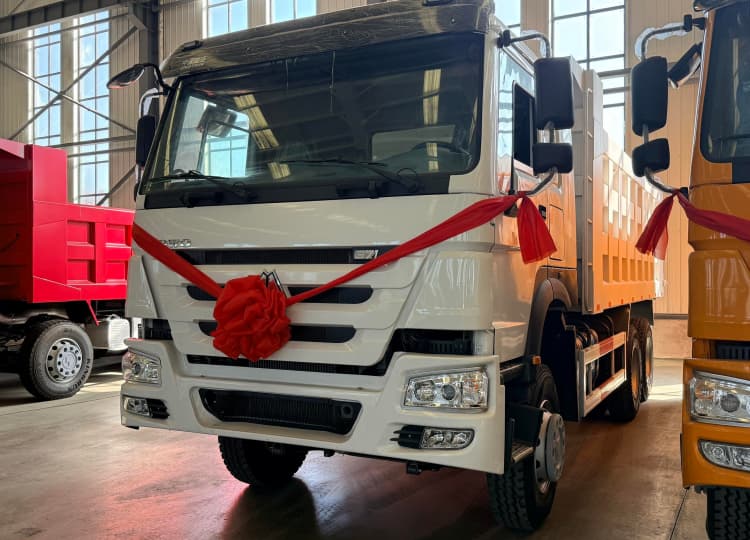
Calibration Standards For Engine And Gearbox In Reman Manufacturing
Intro
Even when all worn parts are replaced, poor calibration will keep a reman powertrain away from its intended safety and performance baseline. Individual new components cannot deliver stable output if clearances, meshing positions and control parameters are mismatched.
REMAN ROAD reman manufacturing separates calibration standards for engine and gearbox, while requiring both to work in harmony as a matched powertrain set. All calibration data is recorded into the VIN-linked Quality Log and cross-checked during later loaded dynamic road tests.
Engine calibration standards
Engine calibration starts after component rework or replacement of crankshaft, camshaft, cylinder liner, piston and valve assemblies. Key geometric targets follow OEM service manuals strictly. Valve lash, injector protrusion, piston ring gap, bearing clearance and crankshaft end-play are set within narrow tolerance bands. Excessive clearance creates noise, oil blow-by and shortened service life; insufficient clearance risks thermal seizure under heavy load.
After mechanical setup, fuel and ECU calibration is completed on the dynamometer. Power, torque curve, air-fuel ratio, injection timing and exhaust temperature are tuned to match the original rated map. Smoke, knock behaviour and oil pressure are monitored across low, medium and full-load operating points.
Any deviation outside the OEM band triggers readjustment. For vocational variants such as mining or off-road reman truck, calibration may include adjusted torque limiting, but the safety margin and thermal threshold remain unchanged.
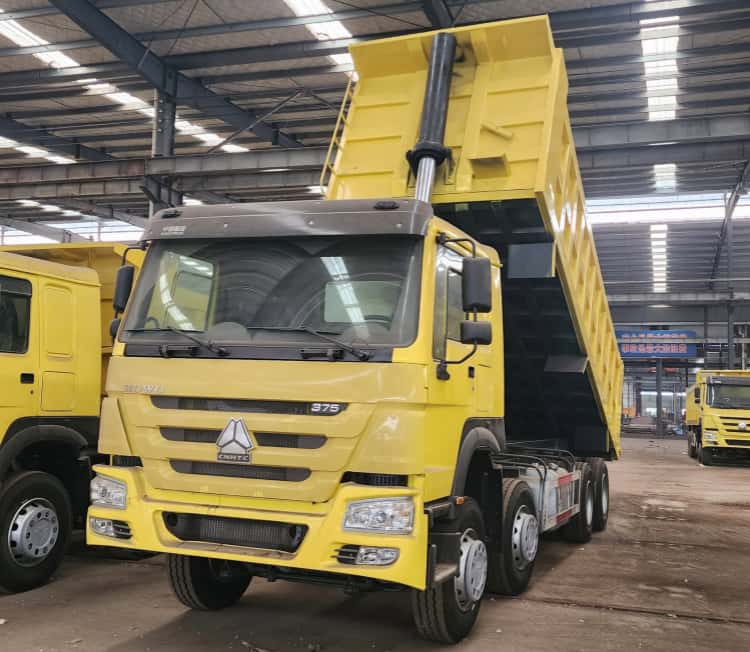
Gearbox calibration standards
Gearbox calibration focuses on gear meshing, bearing preload, shift mechanism and hydraulic control. For manual transmissions, technicians set pinion depth, backlash and gear contact pattern. Contact patches must sit centrally on gear teeth; offset or edge contact accelerates tooth fatigue and breakage. Bearing preload is calibrated precisely — too loose brings vibration and wear, while excessive preload causes overheating.
For automated and AMT gearboxes, calibration extends to shift solenoids, clutch actuator travel, pressure thresholds and shift point logic. Clutch engagement speed, torque transfer and downshift response under gradient load are validated. Hydraulic control pressure is stabilised to avoid harsh shifting, hunting or torque dropout. Every calibration value is logged, rather than relying on subjective feel during trial runs.
Matched powertrain harmony check
Engine and gearbox calibration cannot be completed in isolation. Once assembled, the pair is validated for torque transfer consistency. Driveline angles, clutch release profile and ECU torque limit are coordinated to prevent shock loads during gear changes.
This reman manufacturing step is critical for reman trucks, because residual frame geometry may introduce subtle constraints that new vehicles do not have. If vibration or torque spike appears during bench cycling, both units are rechecked rather than adjusting only one side.
Validation rules and rejection criteria
All reman manufacturing calibration work is first verified on component benches, then confirmed by full-load dyno or transmission cycle testing. Units that show persistent overheating, unstable torque, abnormal gear noise or repeated fault codes are rejected and disassembled for rework. A quick idle test is not acceptable proof of qualified calibration.
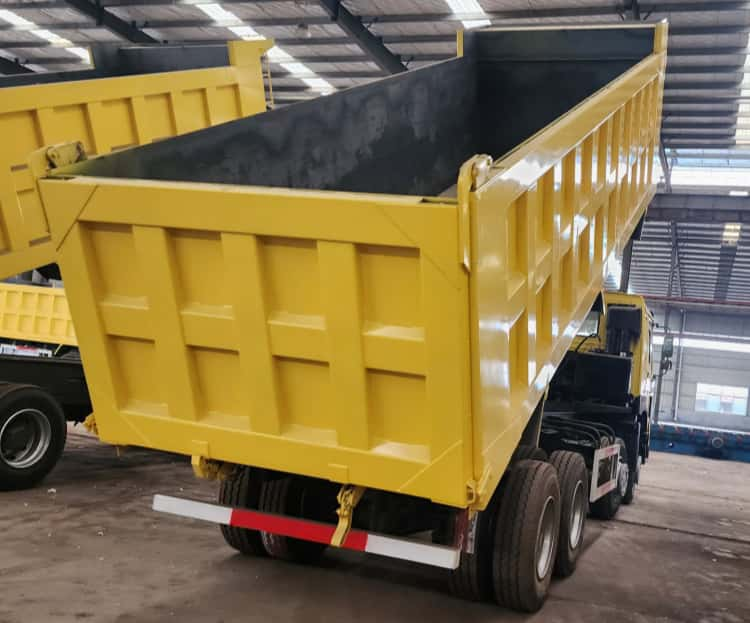
Common shortcuts in informal rebuilding
Many workshops only reset basic idle speed and ignore gear contact pattern, bearing preload or full-load ECU mapping. These “reman truck” may shift smoothly at light load, but develop rapid gear failure, high fuel consumption or overheating under continuous heavy payload.
Final Takeaway
REMAN ROAD’s engine and gearbox calibration reman manufacturing standards combine mechanical geometry control and electronic tuning. Engine work targets clearances and load-matched torque curves; gearbox standards govern meshing contact, preload and shift logic.
Beyond individual component benchmarks, the reman manufacturing standard requires powertrain harmony testing to avoid destructive torque shock. Calibration records are mandatory audit evidence, and incomplete calibration disqualifies a unit from authentic reman manufacturing certification.