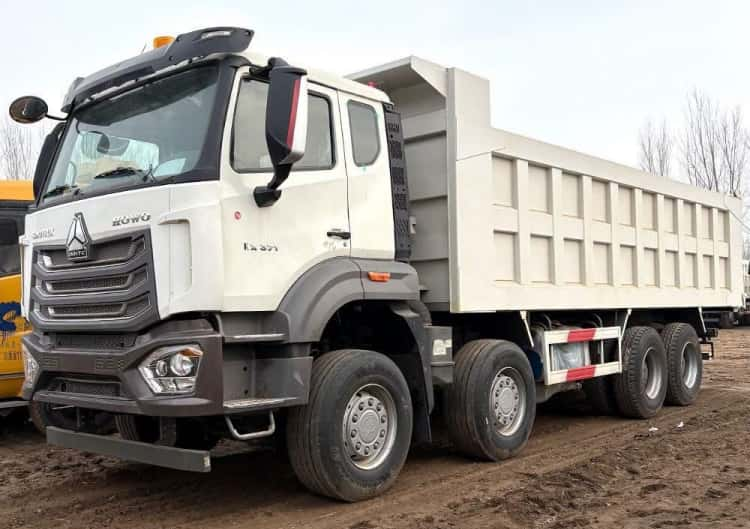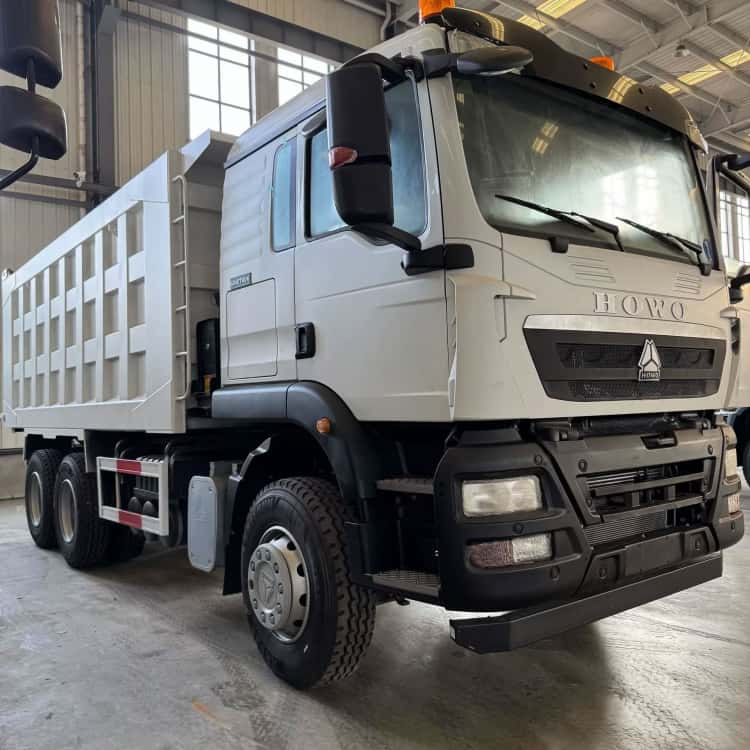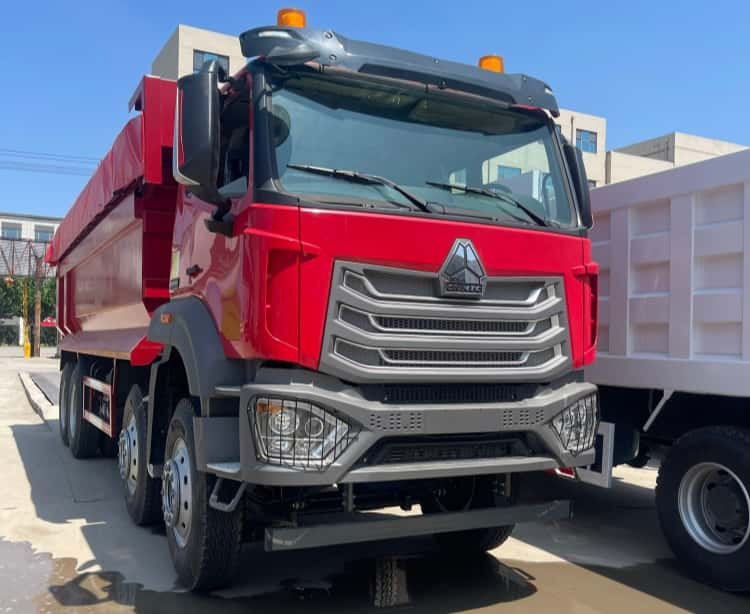
How Standardised Remanufacturing Helps Heavy Transport Teams Cut Unplanned Downtime?
Introduction
Unplanned downtime is one of the costliest risks for heavy transport, mining and quarry fleets. A sudden breakdown stops haulage workflows, delays deliveries, incurs emergency repair fees and may trigger contract penalties. Many breakdowns stem from hidden fatigue cracks, missed component wear or inconsistent rebuild quality. Standardised remanufacturing under REMAN ROAD benchmarks builds reliability into the truck before it leaves the factory, reducing unexpected failures through repeatable, auditable reman processes.
Unified inspection rules eliminate overlooked hidden defects
Standardised remanufacturing workflows require mandatory NDT and dimensional checks for all high-stress load-bearing parts including frames, crankshafts and axle housings. These critical components are the source of many catastrophic roadside failures.
Unlike ad-hoc repairs that only fix visible symptoms, formal standardised remanufacturing workflow protocols screen for internal fatigue damage that cannot be spotted visually. Every inspection result is logged against the vehicle serial number, so no high-risk assembly passes through production without verification.
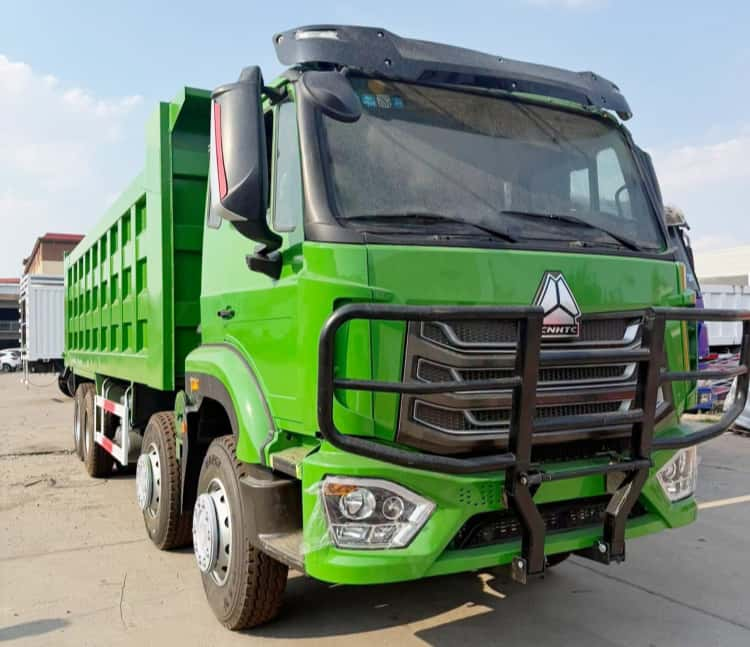
Mandatory replacement schedule for all high-cycle wear parts
Inconsistent rebuilds often reuse worn bearings, seals, brake linings and clutch components to save cost. Standardised remanufacturing defines a fixed list of consumable and friction parts that must be renewed in every unit.
This removes guesswork from component selection. With these fresh fitted parts, the truck starts service with a predictable wear cycle, rather than carrying residual wear that can fail suddenly mid-operation.
Final functional and load testing validates performance before shipment
Each reman truck goes through predefined static, startup and dynamometer tests to verify powertrain output, air circuit tightness, braking performance and fluid sealing. Any non-conformance is rectified before handover.
This catches assembly errors, calibration issues or leakage points that would otherwise surface after the truck enters field operation. It shifts quality checks upstream, instead of letting your workshop discover faults on active haul routes.
Clear documentation enables proactive, scheduled maintenance
Full replacement manifests and test records give your maintenance team reliable baseline data. You can set service intervals matched to the reman rebuild cycle, rather than relying on vague estimates for unknown used equipment.
Planned maintenance lets you replace wearing parts during scheduled shutdowns, before they develop into breakdowns. This shifts your fleet from reactive firefighting to preventive asset management.
Consistent specs simplify spare parts stocking and rapid support
Standardised remanufacturing means uniform component configurations across your fleet of REMAN ROAD reman trucks. Your workshop can stock a targeted set of matching spare parts, instead of maintaining inventory for dozens of mixed, undocumented truck builds.
When service is needed, technicians know the exact part specification and installation standard, speeding up repair time if maintenance is required.
Warranty accountability backed by standard process records
If a covered fault does occur, complete process documentation clarifies whether the root cause relates to rebuild quality. Clear warranty terms, response paths and documented rebuild scope reduce dispute delays. Suppliers cannot avoid responsibility for failures originating from non-compliant rebuild work, so claims resolution moves faster and minimises idle time for your truck.
Conclusion
Standardised remanufacturing workflow reduces unplanned downtime by removing variability from rebuild quality. Rigorous defect screening, mandatory component renewal, pre-shipment testing and full traceability work together to lower the chance of sudden roadside failures. For heavy transport teams, this translates to higher uptime, stable haul schedules and better control over project revenue.