Quality Grading System For Base Heavy-Duty Vehicle Screening Before Remanufacture
Intro
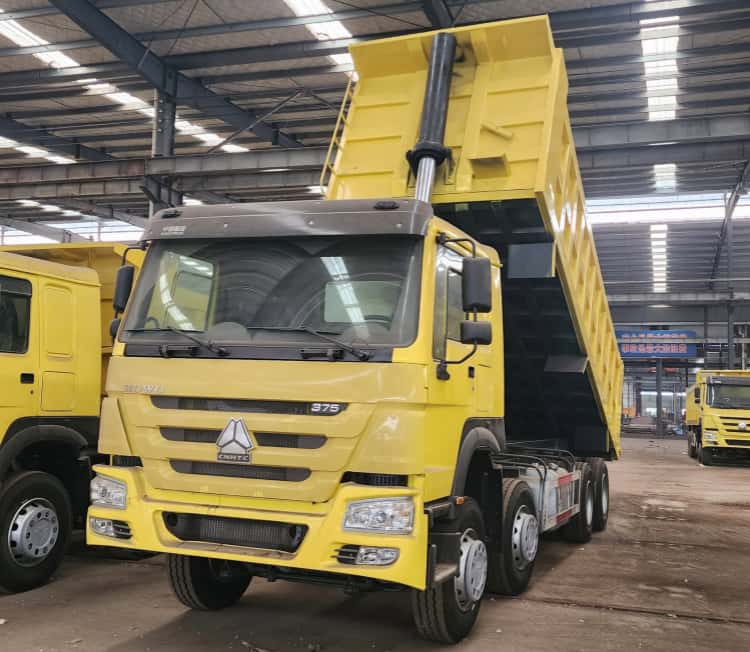
Not every retired heavy truck holds the same remaining fatigue capacity. A simple pass-or-fail check is too crude to support precise remanufacture planning and duty envelope setting. This grading system runs before disassembly, acting as the first filter of the whole standard remanufacture workflow. It evaluates service records, frame geometry, corrosion level, collision and overload history, and assigns a formal grade. Grades guide production resource allocation, risk control and the final performance limits of the certified reman truck.
Four defined grading tiers
Grade A – Preferred core asset
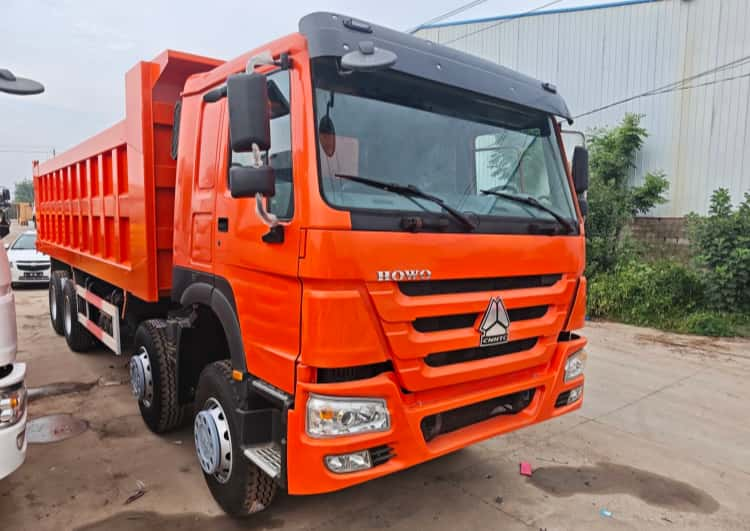
No record of major collision, severe overload or lubrication failure. Frame rails, suspension mountings and key castings show only minor, superficial corrosion. Dimensional readings sit well within OEM allowable tolerance. Residual metallurgical margin is high enough to support full OEM-rated duty after standard remanufacture workflow. These cores are prioritised for standard full reman, and can be certified for unrestricted highway or general vocational use after validation.
Grade B – Conditional core asset
No catastrophic structural damage, but with mild accumulated wear or limited overload history. Localised corrosion and minor geometric deviation are present, yet still within repairable limits. After standard remanufacture workflow, the unit cannot be assigned full unrestricted rating. Engineers will set a tighter duty envelope: lower maximum payload, restricted terrain and shorter re-inspection cycles. This grade forms the largest pool of usable reman cores for mixed fleets.
Grade C – Marginal core asset
Visible thinning on frame flanges, past heavy overload or minor structural impact. Critical load paths still remain intact, but residual safety margin is thin. If accepted, only targeted light-duty remanufacture is permitted. High-risk zones get enhanced NDT and periodic monitoring. These units are never sold for mining, off-road or heavy cyclic tipping applications. If any additional crack or deep corrosion is found during disassembly, the core is immediately downgraded to rejected.
Grade D – Rejected, exit to recycling
Any one of these triggers Grade D: through-wall corrosion, multiple clustered weld cracks, permanent frame bending beyond correction, verified severe collision or prolonged lubrication starvation. No remanufacture work starts. The core exits the loop and is scheduled for material recycling, with the rejection reason logged in the intake record.
Grading evaluation dimensions
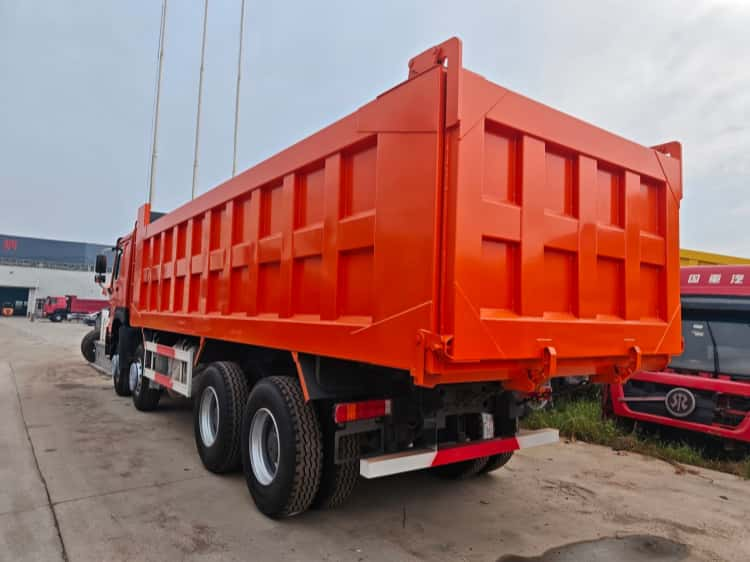
Grading is not based on appearance or mileage alone. Reviewers score four dimensions together:
- Service history: collision, overload, overheating, maintenance gaps and accident records.
- Frame and load-path geometry: straightness, alignment, bending and torsion measurement.
- Corrosion mapping: thickness loss on frame rails, brackets and axle housings.
- Prior fatigue evidence: visible cracks, repair welds and deformation on high-stress points.
All scores are combined to assign the final grade. One severe negative finding can override other favourable indicators.
How grades guide downstream remanufacture decisions?
Grade A cores follow the standard remanufacture workflow with default testing thresholds. Grade B cores receive extra NDT sampling on high-stress zones. Grade C cores get conservative component discard rules and stricter loaded test limits. The final duty envelope written into the Quality Log directly reflects the starting grade. Fleets can select grades based on their operational risk appetite and TCO budget.
Common pitfalls without grading
Many buyers treat all usable retired trucks as identical cores. They push marginal Grade C chassis into heavy mining service, leading to premature structural failure. Without grading, duty envelope limits become generic disclaimers rather than engineering outputs calculated from the core’s baseline condition.
Final Takeaway
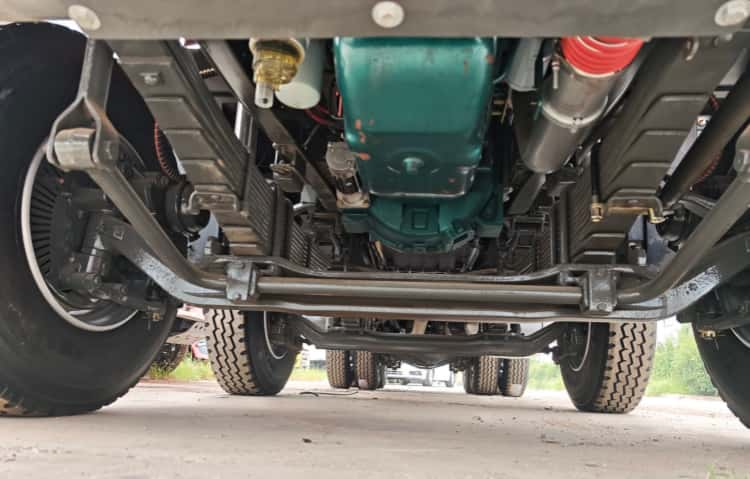
The pre-reman quality grading system sorts incoming heavy-duty chassis into four tiers, based on structural margin and historical risk. Grade A for full-rated remanufacture, Grade B for restricted vocational use, Grade C only for light-duty deployment and Grade D for recycling.
This tiered screening prevents unsuitable cores from entering production, aligns remanufacture investment with real asset potential, and lays the foundation for accurate, safety-based duty envelope definition.