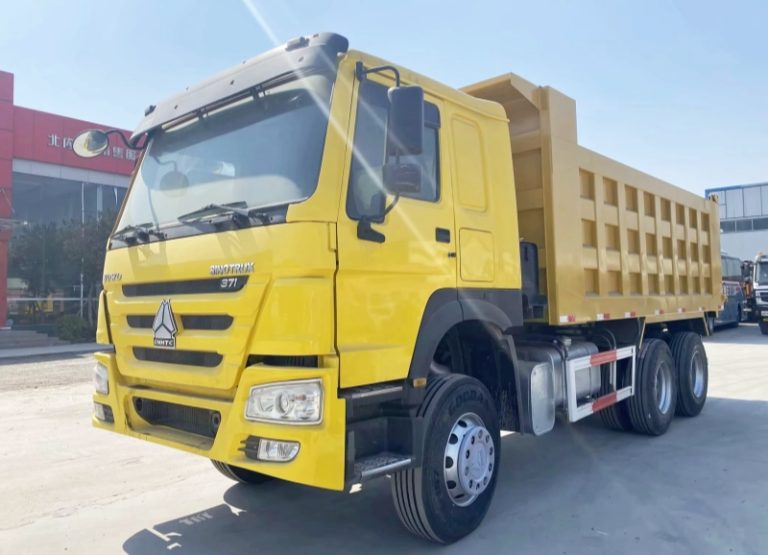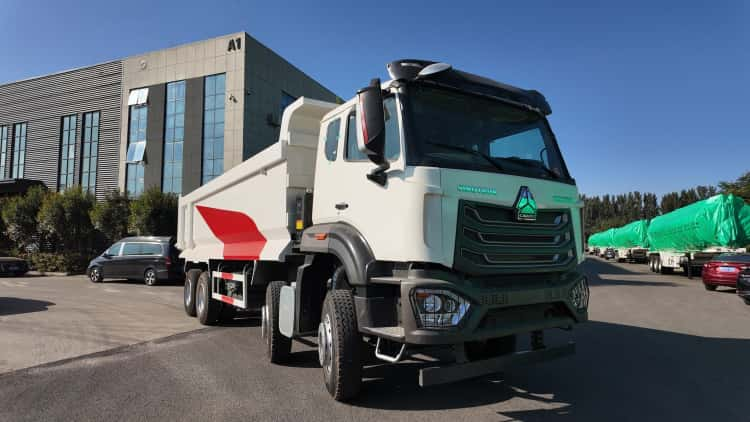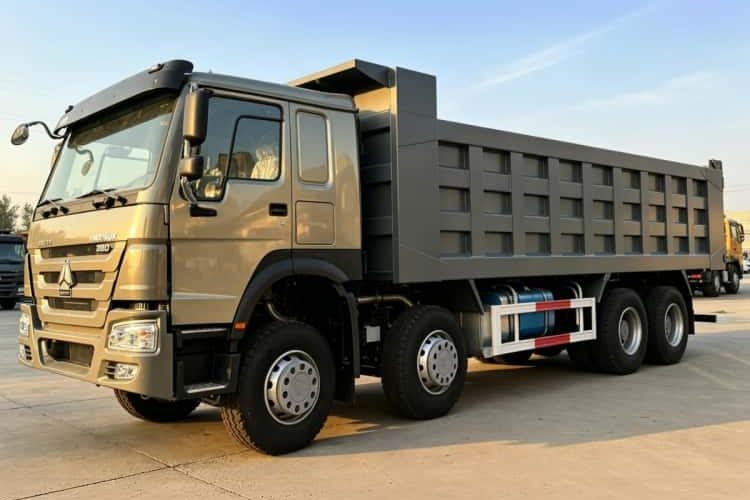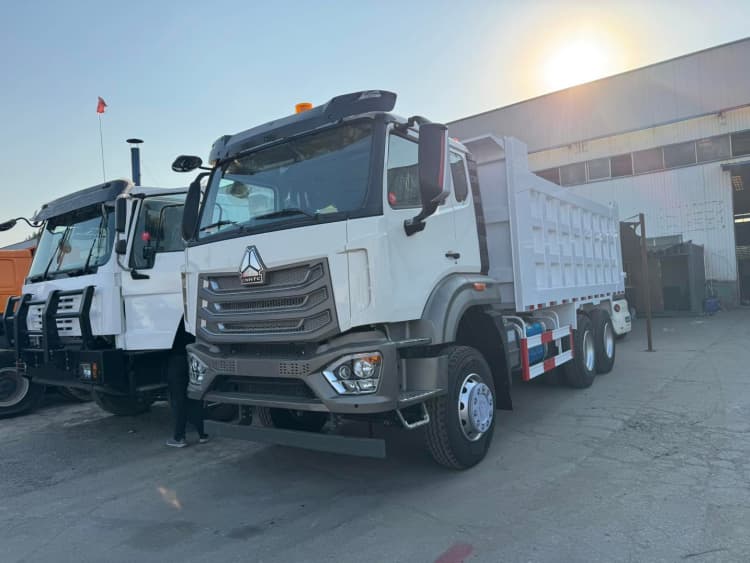
Fuel Efficiency Impacts On Full-Lifecycle TCO Of Heavy Reman Vehicles
Introduction
When calculating total cost of ownership for heavy reman vehicles, most procurement teams focus heavily on upfront purchase price, warranty and maintenance bills. Fuel cost, however, usually accounts for the largest share of lifetime operating expenditure over the asset’s service cycle. Even a small, consistent difference in fuel consumption multiplies dramatically across thousands of operating hours.
Certified reman works restores powertrain components close to original performance standards, which directly influences fuel burn. Understanding this link helps you evaluate reman quality beyond inspection checklists, compare competing suppliers, and build more accurate long-term TCO forecasts aligned with REMAN ROAD benchmarks.
How Reman Works Restore Powertrain Fuel Performance?
Over years of heavy haulage, engine cylinder liners, piston rings, injectors, turbochargers and valve assemblies develop gradual wear. This creates blow-by, incomplete combustion, power loss and higher fuel consumption. A proper certified reman works includes dimensional reconditioning or renewal of these precision parts, balanced crankshaft assemblies, recalibrated fuel injection systems and leakage elimination in air and exhaust circuits.
Unlike simple repairs that only fix obvious faults, standardised certified reman works returns the powertrain to near-new sealing and combustion efficiency. Poorly executed rebuilds skip critical reconditioning steps; these units may run, but they retain high fuel burn and erode TCO savings from the lower buying price.
The Cumulative Financial Effect of Minor Fuel Gaps
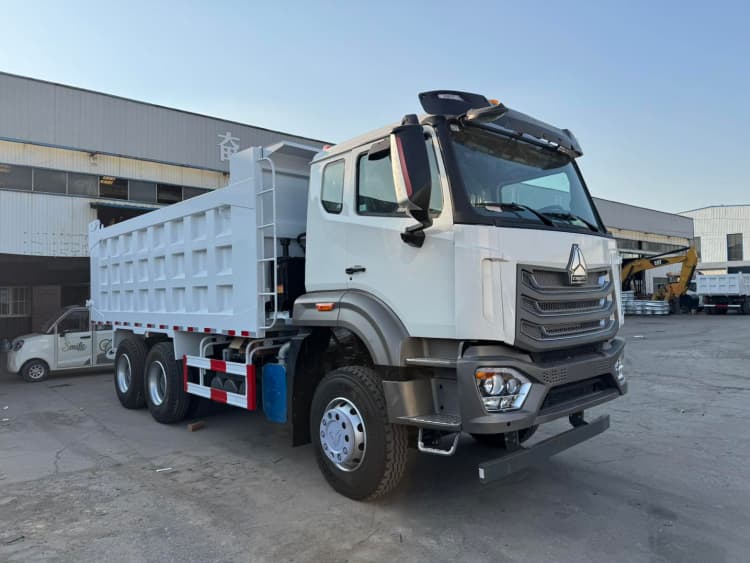
Fuel efficiency gains look modest on a per-trip basis, but the cumulative impact is substantial. For fleets running heavy trucks 6,000–8,000 hours per year in quarry and mining cycles, an extra 2–3 litres of fuel consumed per hour quickly becomes a major recurring expense.
When modelling TCO, you cannot treat all heavy reman vehicles as equal simply because they carry the “remanufactured” label. Two heavy reman vehicles with identical purchase prices can end up with vastly different lifetime costs if their engine and injection rebuild quality differs. This makes post-rebuild dynamometer testing and fuel curve validation important deliverables to request from your supplier.
Supporting Systems That Preserve Fuel Economy After Reman
Powertrain condition is not the only factor. During reman, suppliers should also service or replace related assemblies that affect efficiency: air filtration assemblies, cooling systems, brake components and drivetrain bearings. Clogged or low-grade air filters starve the engine of clean air and raise fuel use.
Binding brakes, worn differential bearings and misaligned driveline create parasitic drag. Reputable reman programmes address these auxiliary points as part of the standard reman works, while superficial rebuilds ignore them. These supporting checks protect the fuel efficiency you paid for in the powertrain rebuild.
Fuel Efficiency Data As A Quality Verification Metric
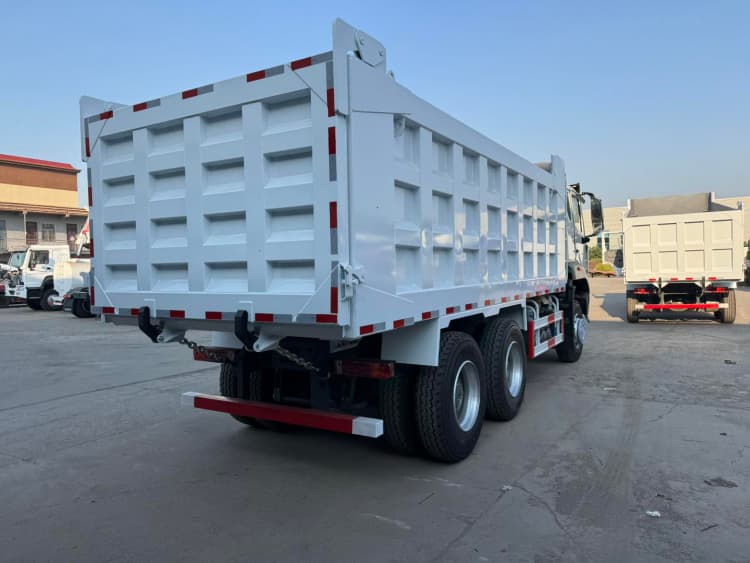
Fuel consumption logs can act as a practical long-term quality audit tool. After commissioning a reman truck, track its fuel rate against baseline figures for the same model in your fleet. If certified heavy reman vehicles maintains steady consumption figures close to factory benchmarks, it confirms the rebuild work was completed correctly.
Sustained excessive fuel burn is an early warning sign: it may point to missed dimensional checks, incorrect injector calibration, undetected air leaks or assembly errors that were not caught in basic static testing. You can include agreed fuel performance baselines in supplier acceptance terms for high-volume orders.
Balancing Fuel Economy With Site-Specific Operating Conditions
It is critical to set realistic expectations. Even a perfectly remanufactured engine will use more fuel under steep gradients, heavy payloads, dusty environments and frequent stop-start quarry cycles. Do not apply highway fuel benchmarks to off-road mine haulers. Instead, establish site-adjusted baselines for your operating profile.
Genuine remanufacturers will match powertrain tuning and gearing to your typical route and payload, rather than applying a generic highway setup, helping you avoid unnecessary fuel waste in your specific working conditions.
Conclusion
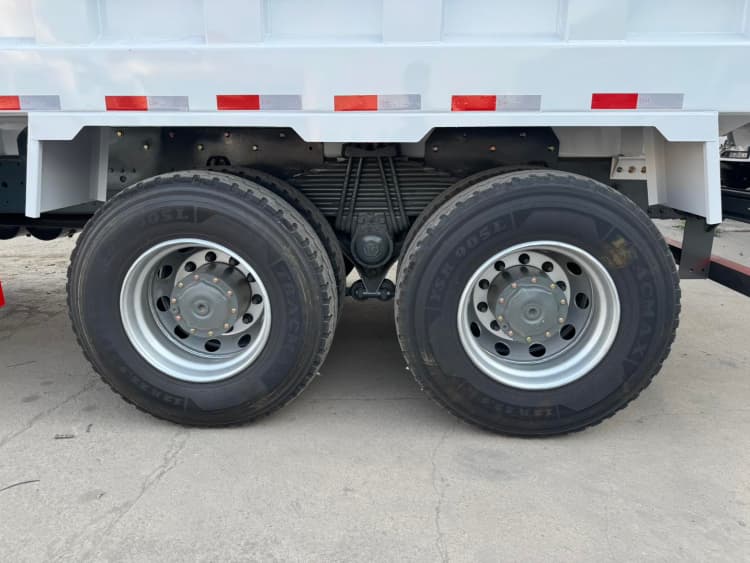
Fuel efficiency is a core TCO driver for certified heavy reman vehicles, not just a secondary performance feature. High-standard reman rebuilds restore combustion and sealing integrity to control fuel burn, while incomplete or rushed rebuilds leave hidden fuel penalties that erase your upfront cost advantage.
By including dynamometer validation, fuel curve records and post-delivery consumption tracking in your procurement and acceptance process, your fleet can capture the full economic benefit of certified heavy reman vehicles across their entire service life.