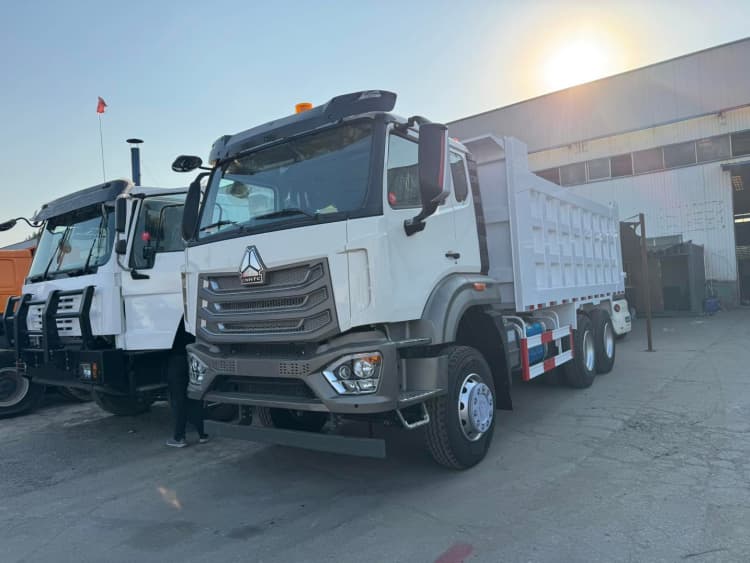
Case Analysis: Mining Fleet TCO Optimization Using Heavy Reman Assets
Introduction
Mining fleets operate in extremely punishing off‑road environments, where payload pressure, dust and continuous running hours push haulage trucks to their limits. Many mine operators face a common dilemma: new trucks carry prohibitive upfront investment, while unvetted second‑hand units bring frequent breakdowns and unstable production.
This case analysis follows a mid-sized quarry and mining fleet that integrated REMAN ROAD heavy reman assets into its asset portfolio, tracking changes in capital spend, uptime, maintenance expense and carbon output to measure overall TCO improvement.
Background and Original Fleet Pain Points
The operator ran 28 haulage trucks for ore and overburden transport. Its original fleet was a mixed pool of aged second-hand imported trucks. Key problems included unpredictable failures, inconsistent spare part availability, rising emergency repair costs and difficulty meeting ESG requirements for project tenders.
Major breakdowns would halt hauling lines for hours or even days, triggering delivery delays and liquidated damages. The leadership evaluated two options: buying brand-new trucks or sourcing heavy reman assets aligned with formal reman standards.
Intervention: Phased Rollout of Heavy Reman Assets
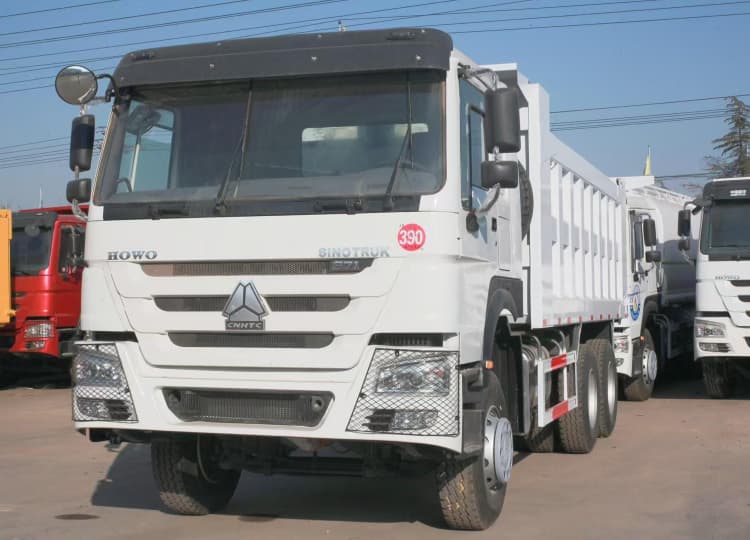
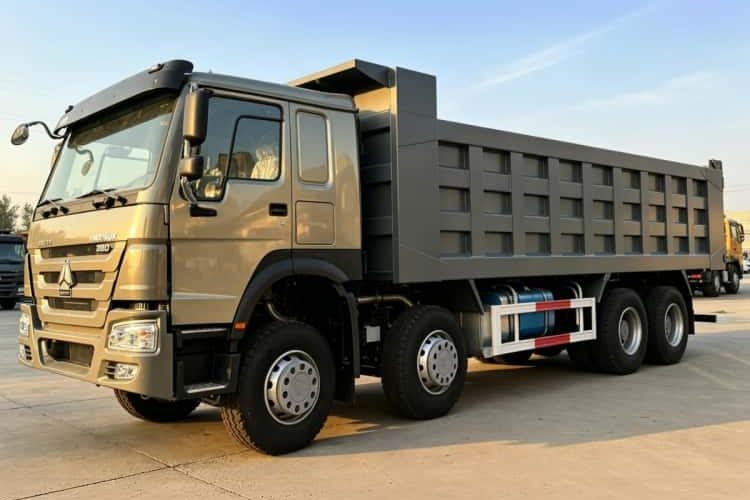
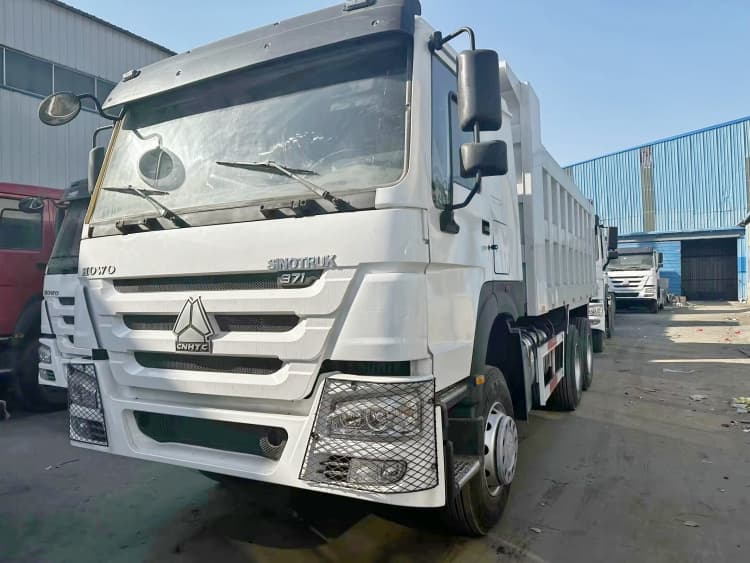
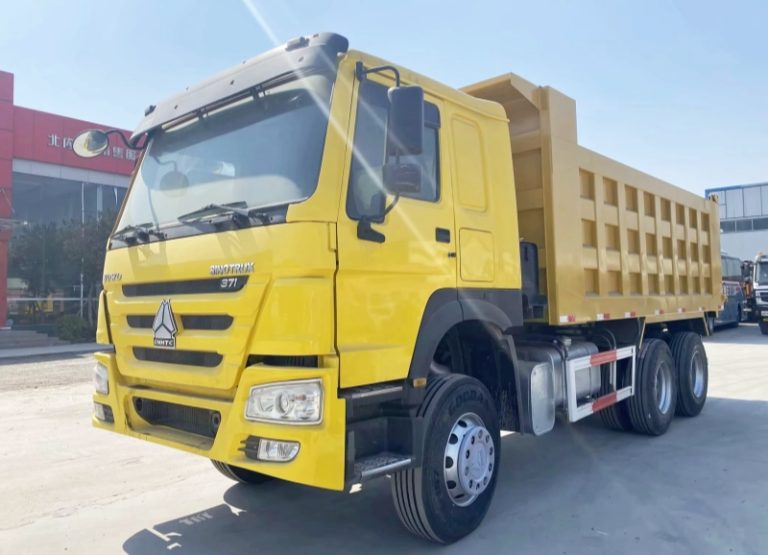
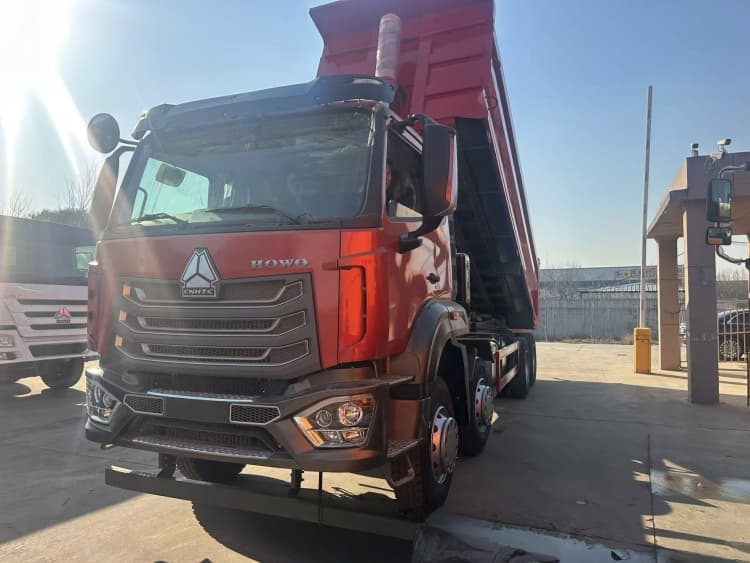
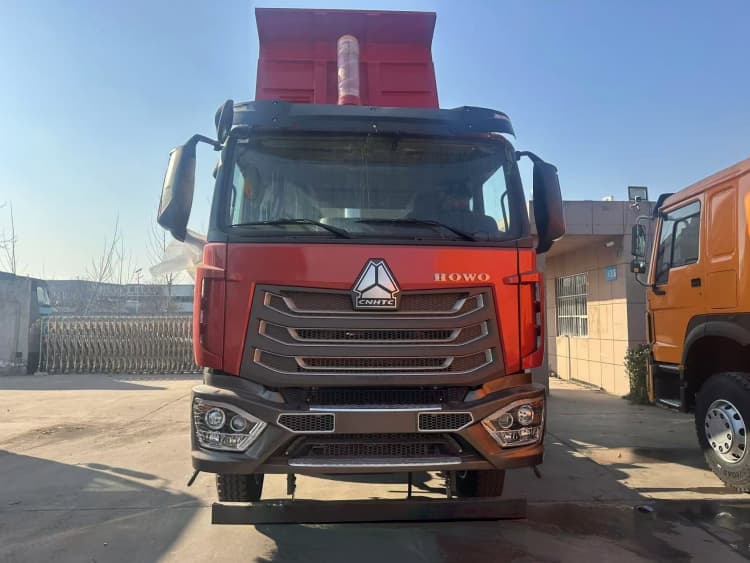
Instead of replacing the whole fleet at once, the team adopted a phased rotation plan. They retired the 10 highest-maintenance old trucks and replaced them batch by batch with REMAN ROAD reman dump trucks.
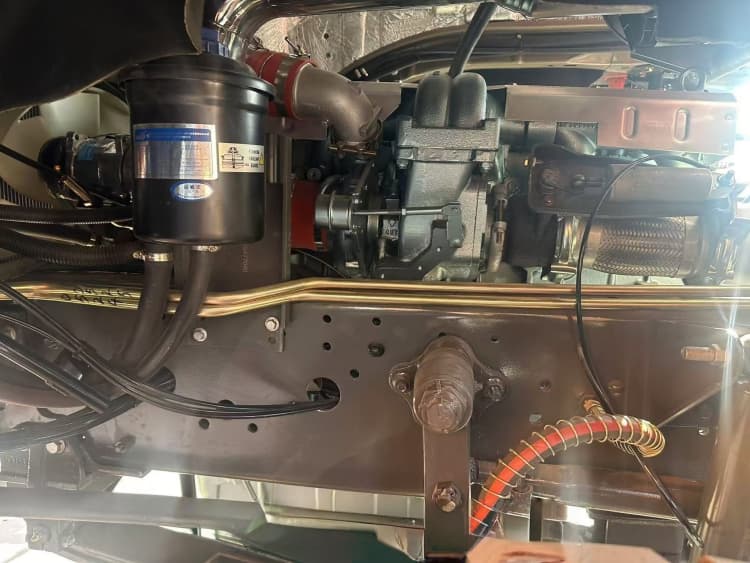
Every delivered certified heavy reman assets came with full traceability packages: core inspection forms, NDT fatigue test reports, component replacement manifests, dynamometer performance records and transferable warranty. Before acceptance, the site technical team completed the standard pre-handover inspection checklist, and built site-specific scheduled maintenance intervals for the new reman fleet.
Core TCO Comparison Results
- Capital expenditure: Upfront purchase cost per certified heavy reman assets was roughly 45% lower than an equivalent new model, freeing large amounts of working capital for other site upgrades.
- Uptime performance: Average fleet availability increased significantly. The certified heavy reman assets followed predictable wear cycles, reducing sudden catastrophic failures of load-bearing assemblies such as frames, axles and crankshafts.
- Maintenance spend: Emergency repair expense dropped sharply. Planned maintenance replaced costly reactive fixes; the workshop could bulk-order wear parts and reduce overtime for urgent breakdown support.
- Fuel performance: Powertrain reman work restored combustion efficiency. After stabilisation, the heavy reman assets maintained consistent fuel consumption close to factory baselines, avoiding the excess fuel burn common in worn older engines.
- Residual value outlook: Because of unified rebuild standards and complete documentation, the finance team forecasted gentler depreciation, with stronger resale liquidity when asset rotation comes due.
- ESG benefit: Auditable embodied carbon savings from core reuse satisfied the client’s sustainability reporting rules, making the operator eligible for sustainability-linked financing on future fleet expansion.
Challenges Encountered and Mitigation Actions
The team also faced practical hurdles during implementation. Local technicians needed training to understand the reman documentation system and inspection standards. The operator worked with REMAN ROAD to obtain technical guides and remote support. They also adjusted maintenance schedules to adapt to high-dust mine conditions, adding more frequent filter and seal inspection. These small adjustments locked in long-term reliability.
Key Lessons Learned From This Mining Fleet Project
Phased replacement is safer than full one-time fleet swap. Mixing certified heavy reman assets into the portfolio smooths cash flow and lets maintenance teams adapt gradually. Complete traceability and standardised rebuild benchmarks are not just paperwork; they are the foundation for predictable maintenance, warranty claims and ESG audit compliance. Not all reman assets deliver equal results — consistent NDT screening and mandatory renewal of high-cycle parts separate high-value reman from low-grade refurbishment.
Conclusion
This mining fleet case proves that properly selected, benchmark-certified heavy reman assets can deliver meaningful TCO optimisation. Lower entry cost, improved uptime, controllable maintenance and verifiable environmental benefits combine to create a balanced economic model. For mine and quarry operators, remanufacturing is not merely a cheap substitute; it is a structured fleet strategy when tied to clear standards, full documentation and disciplined scheduled maintenance.