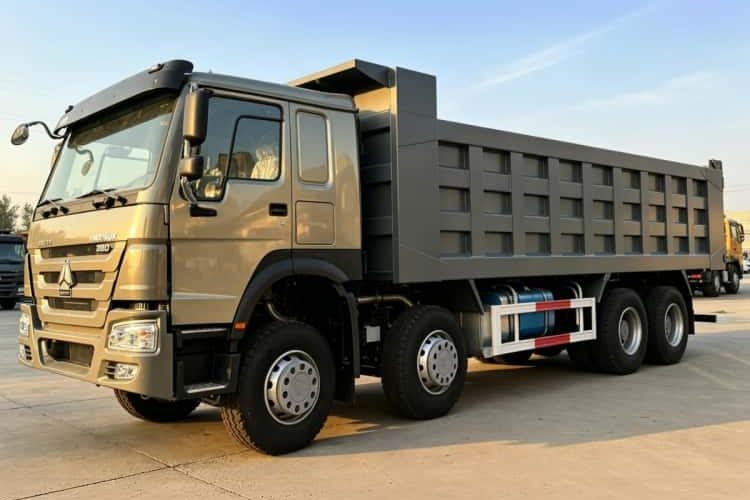
Capital Expense Optimization: Reman Trucks For Mid-Size Fleet Expansion
Introduction
Mid-size fleets face a unique capital challenge: they need to expand haulage capacity to capture new mining, quarry and transport contracts, yet they lack the large balance sheet and bulk purchasing power of big asset owners. New heavy trucks carry steep upfront prices and long lead times, while cheap uncertified used trucks bring unpredictable repair bills that blow budgets later.
Certified reman trucks aligned with REMAN ROAD benchmarks offer a practical pathway to optimise CAPEX. With careful planning around ordering batches, financing structures and asset mixing, mid-size operators can scale steadily while keeping capital expenditure controlled and risk manageable.
Benchmark the true CAPEX gap between new, used and certified reman trucks
The first step is to move beyond simple sticker-price comparison. New trucks demand the highest initial outlay, though they come with OEM factory warranty. Uninspected second-hand trucks have low purchase prices, but hidden fatigue damage and worn powertrain parts often trigger unplanned CAPEX for emergency rebuilds shortly after purchase.
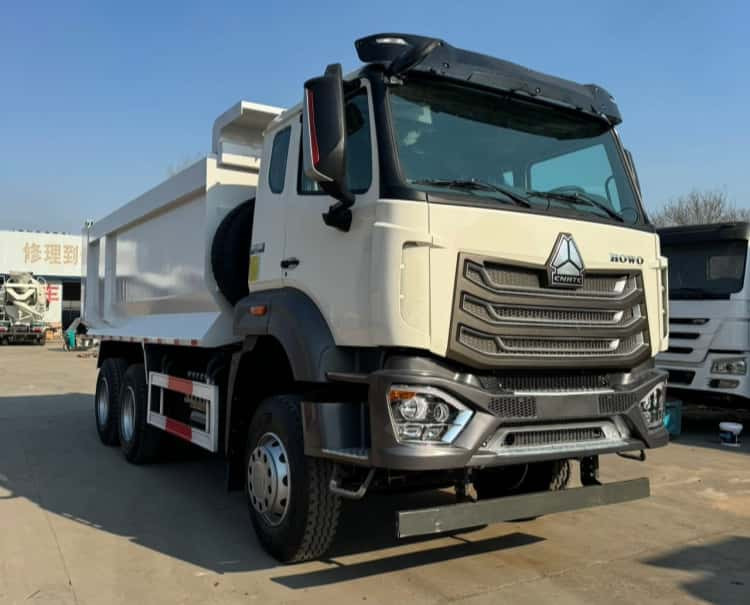
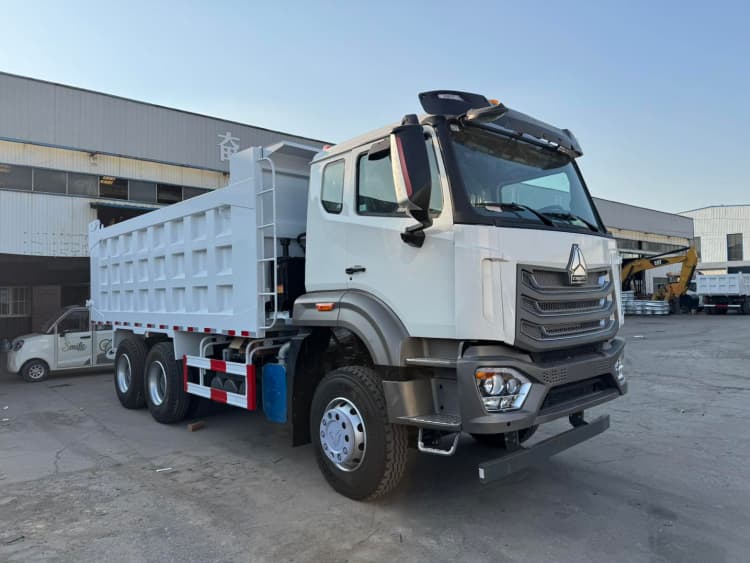
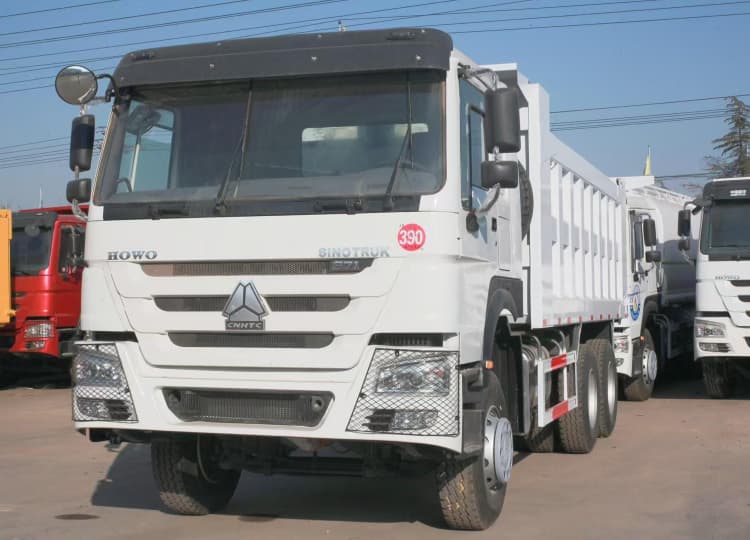
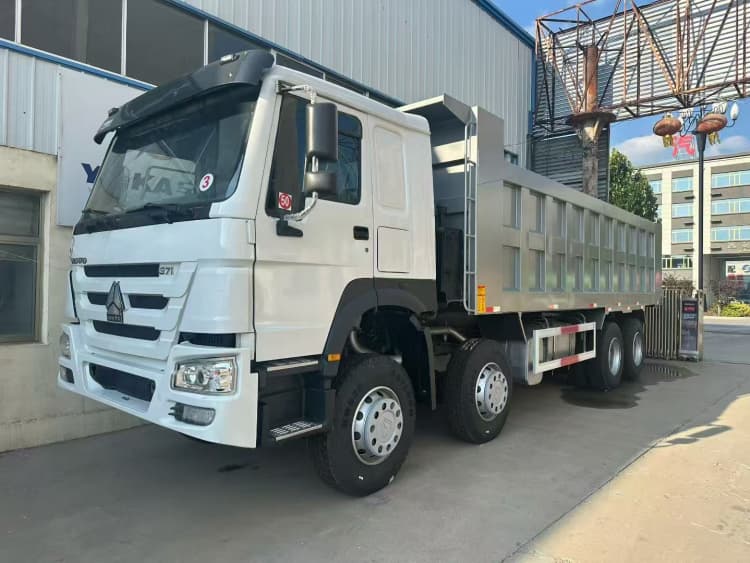
Standardised reman trucks sit in the sweet spot: their upfront cost is substantially lower than new equivalents, and they come with completed inspection, NDT reports, renewed wear components and defined warranty. For mid-size fleets with limited cash reserves, this reduces the initial funding requirement and avoids the risk of unexpected follow-on capital injections.
Adopt phased batch procurement instead of one-time bulk purchase
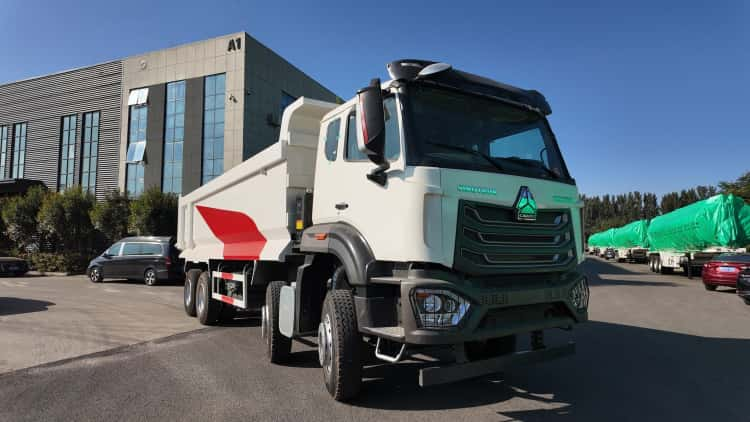
A common mistake for growing mid-size fleets is ordering all required trucks in a single batch once a new contract is secured. This drains working capital at once and creates pressure if project payments are delayed. Phased procurement matches delivery batches to incoming revenue milestones.
You can lock the overall supply schedule with the supplier, placing deposits for the first batch and scheduling subsequent shipments as client payments arrive. This method also gives your maintenance team time to absorb each group of trucks, run pre-handover inspections and build service routines before the next batch arrives.
Select financing tools tailored for mid-size business profiles
Many mid-size operators struggle to access large corporate loan facilities, which makes vendor financing and trade LC arrangements highly valuable. Sustainability-linked loans are also worth exploring if your tender or client requirements include ESG targets.
Certified reman trucks’s traceable carbon savings help satisfy lender requirements. Leasing structures are another strong fit: operating leases shift CAPEX into predictable operating payments, so you can take on contract work without tying up capital in assets that may only be needed for the project duration.
Build a balanced fleet mix to spread capital risk
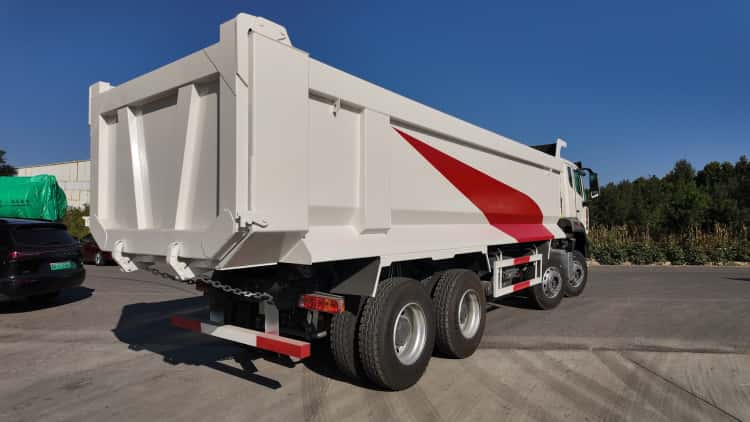
A well-balanced mix stabilises your overall CAPEX exposure. Keep a small number of trusted existing trucks for baseline work, add standardised reman trucks for incremental expansion, and only purchase new trucks for the most critical, round-the-clock haulage tasks where premium reliability is non-negotiable.
Gradually retire the oldest, highest-maintenance uncertified units as reman trucks enter service. This prevents your fleet from leaning entirely on one asset type and creates a smoother depreciation curve across your portfolio.
Tie CAPEX planning to residual value forecasts
Mid-size fleets often overlook residual value when setting budgets. If you select popular, widely supported reman models with complete reman documentation, these assets retain stronger resale or trade-in value at the end of their service cycle.
When forecasting CAPEX, include projected residual value as a capital recovery item. This improves the true ROI calculation and supports future fleet rotation plans. Units with weak residual value may look affordable today, but they will deliver poor capital recovery when you retire them.
Conclusion
For mid-size fleets, CAPEX optimisation is not only about spending less upfront. It is about deploying limited capital in a controlled, forecastable way. Certified reman trucks reduce initial funding pressure, and phased ordering plus flexible financing help align expenditure with contract cash flow.
By combining benchmarked standardised reman trucks with careful residual-value planning, mid-size operators can expand their haulage capacity competitively, capture new business opportunities and avoid overexposing their core working capital.