Salvage Value Planning: End-of-Lifecycle Management For Heavy Remanufactured Trucks
Introduction
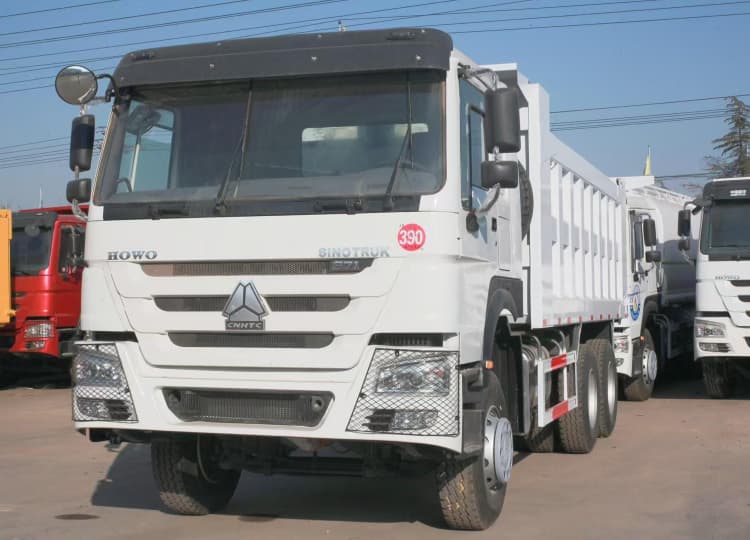
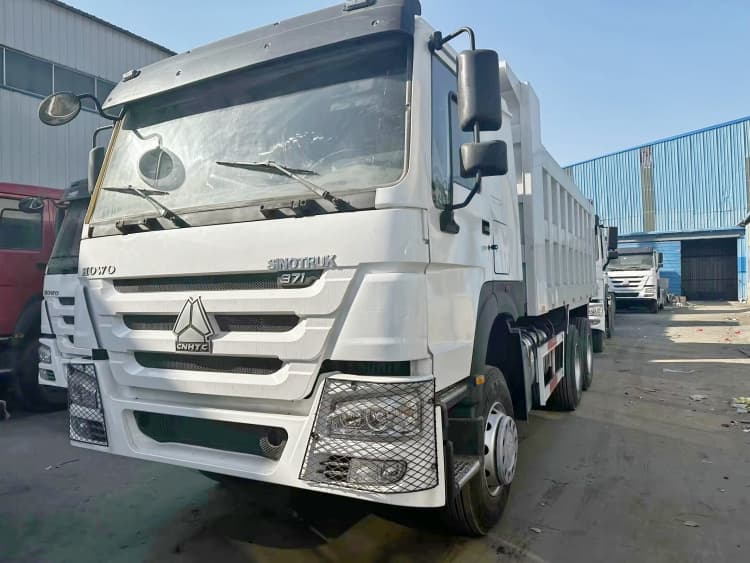
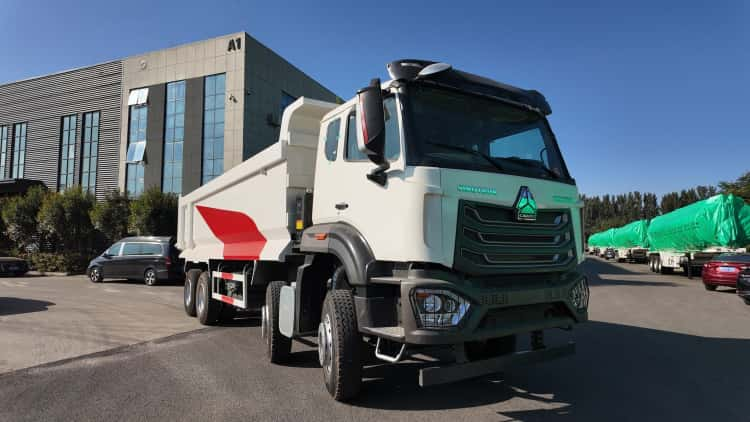
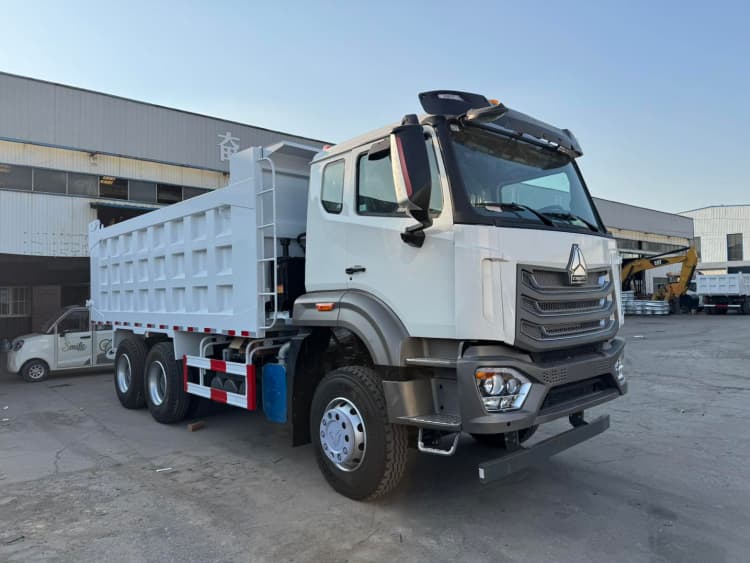
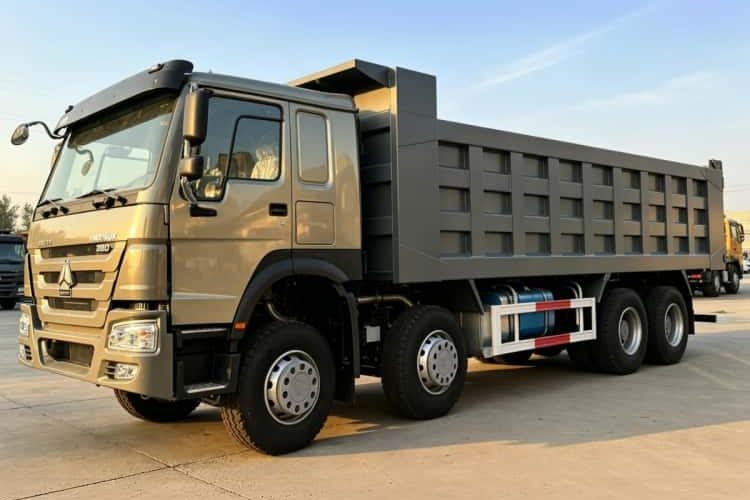
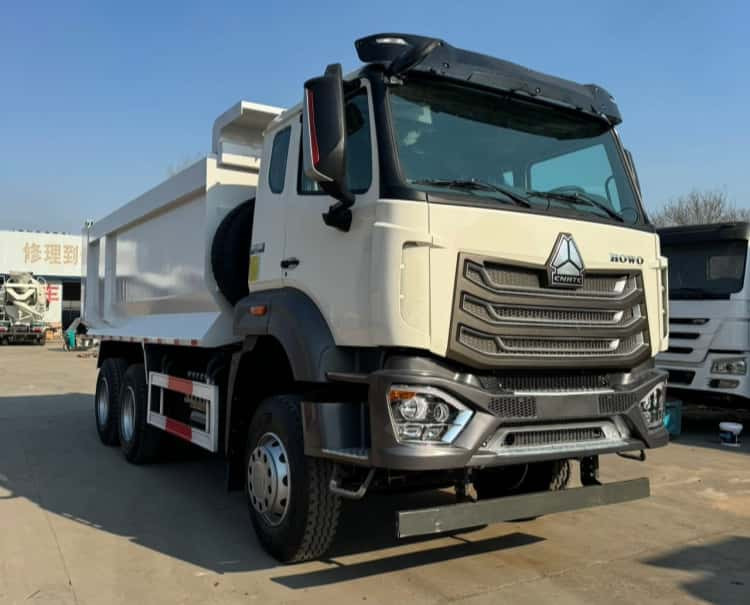
Most fleet budgeting only tracks assets from purchase through active service, ignoring end-of-lifecycle disposal. Even certified heavy remanufactured trucks will eventually reach the end of their second service cycle, when repair costs outweight operational benefits. Proper salvage planning starts long before retirement. It aligns with REMAN ROAD’s circular vision, helping you assess remaining asset value, choose the optimal exit route, recover reusable cores and avoid rushed, low-value liquidation decisions.
Establish retirement trigger criteria in advance
Set clear thresholds to judge when a heavy remanufactured truck should exit your fleet. Common triggers: rapidly rising maintenance frequency, structural frame defects that cannot be economically remanufactured, outdated drivetrain specs no longer suited to your site, or new emission and tender requirements. Do not wait for a major breakdown to decide disposal. Track operating hours, repair spend and inspection results continuously to schedule retirement on your own timeline.
Conduct systematic pre-disposal condition & documentation audit
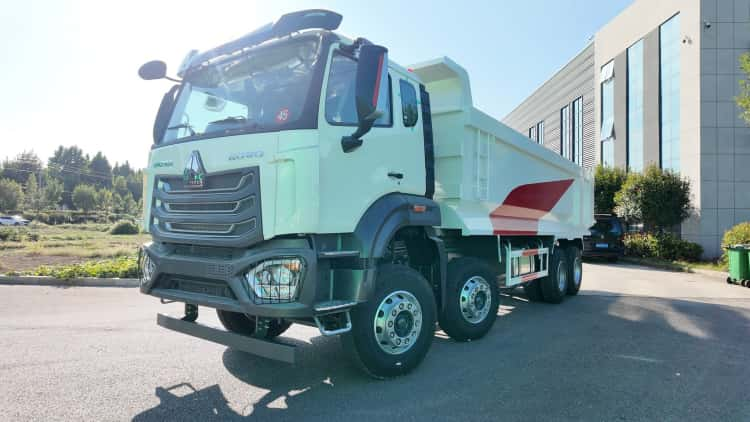
Before selling or scrapping, gather the full serial-number matched record pack: original reman certification, NDT reports, component replacement logs and maintenance history. These certified heavy remanufactured trucks documents directly impact salvage value.
Inspect high-value long-life cores separately: frame, engine block, crankshaft, axle and transmission housing. Classify each assembly as reusable for future reman, repairable only at high cost, or ready for metal recycling. Clean, labelled cores with inspection records attract much higher offers from remanufacturers.
Evaluate different end-of-life exit channels
There are multiple options, each fitting different asset conditions:
- Resell as a used working truck: Best for units still functional, with solid records and strong local market liquidity.
- Sell reusable cores to remanufacturers: Strip qualified high-value assemblies for reverse supply chains, often delivering better returns than whole-vehicle sale for heavily worn trucks.
- Whole vehicle trade-in with your remanufacturers: Convenient when you place new reman orders, simplifying logistics and negotiation.
- Scrapping for metal value: Last resort for units with cracked structural cores and no recoverable major assemblies.
Manage reverse logistics and core handling rules
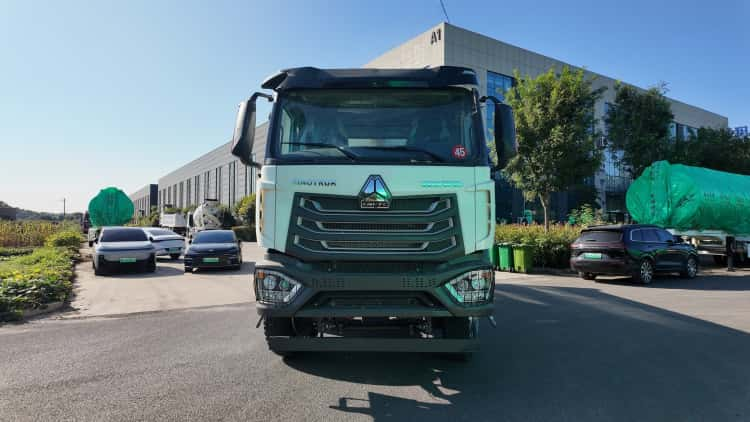
Cores are the foundation of the reman industry, but improper storage and transport destroy their value. If you plan to sell cores, protect threaded surfaces, seal fluid ports and prevent rust or impact damage during removal. Separate non-qualified scrap parts to avoid mixing. Clarify who bears freight, inspection fees and rejection risk in the agreement with the buyer. Many remanufacturers will reject cores if NDT rechecks uncover hidden fatigue cracks.
Factor in compliance, environmental and carbon accounting
End-of-life handling also carries compliance obligations. Follow local waste, hazardous fluid and scrap disposal regulations for oil, coolant, batteries and tyres. For fleets reporting ESG metrics, core recovery counts toward circular economy KPIs. Retain disposal and core reuse certificates for audit trails, proving you avoided full raw material extraction for future reman batches.
Feed lifecycle data back into future procurement strategy
Salvage outcomes are valuable feedback. Record how much value each model retained at retirement, and which assemblies failed first under your operating environment. Use this data to adjust your next purchasing round: prefer platforms with stronger residual and core value, and refine your maintenance and rotation schedules. This closes the loop of your fleet’s circular asset strategy.
Conclusion
End-of-lifecycle salvage planning protects the total return on your reman investment. By defining retirement triggers, auditing documentation and core condition, comparing exit channels and organising controlled core recovery, you turn vehicle retirement from a loss event into a planned part of the reman circular ecosystem. Paired with REMAN ROAD certified heavy remanufactured trucks’s standardised records, you maximise salvage revenue and support the continuous supply of qualified cores for global remanufacturing.