Remanufactured Trucks vs Refurbished Trucks: What Is the Real Difference?
Introduction
Fleet buyers often see “remanufactured trucks” and “refurbished trucks” used interchangeably in heavy truck listings. On the surface, both terms describe used trucks that have been restored. However, the two represent entirely different technical processes, quality benchmarks, service life expectations and risk levels.
Refurbishment focuses on cosmetic fixes and repairing obvious broken parts. Genuine remanufacturing follows a complete, gated industrial standard designed to return the vehicle to near-new OEM performance with a fully reset asset lifecycle. This article breaks down their real distinctions based on REMAN ROAD criteria.
What is a Refurbished Truck?
Refurbishment is a surface-level restoration process. Its primary goal is to make the truck look presentable and operable for immediate sale. Work typically includes cleaning, repainting, fixing visible defects, replacing parts that are already broken or leaking, and addressing obvious safety faults. There is no requirement for full vehicle disassembly. Most major assemblies such as engine block, axles and transmission remain sealed and uninspected. Hidden metal fatigue, microcracks or internal wear inside untouched components stay undetected. No mandatory non-destructive testing (NDT) is performed on load-bearing structures.
Refurbishment is reactive: technicians only repair problems they can see. It does not reset the asset’s fatigue life. The truck retains most of its accumulated wear from prior operation. After refurbishment, the vehicle can run, but its remaining service life remains unpredictable. Documentation is usually limited to basic service invoices, with no independent third-party certification.
What is a REMAN ROAD Certified Remanufactured Trucks?
Genuine remanufacturing is a complete, systematic regeneration workflow governed by strict pass/fail gates.
- Before any work starts, the retired truck core passes intake evaluation and mandatory NDT screening.
- Cores with irreparable structural cracks, crash deformation or excessive metal fatigue are rejected.
- The entire vehicle is fully disassembled down to individual discrete components.
- Every part is cleaned, inspected and graded into reusable, repairable or scrap categories.
- Sound structural cast and forged components receive precision machining to restore OEM dimensional tolerances.
- All fatigue-critical consumable parts — bearings, seals, gaskets, piston rings, brake linings, rubber hoses and high-torque fasteners — are replaced with new specification-compliant parts, even if they still appear functional.
- After reassembly, sub-assemblies go through instrumented bench testing, followed by full-load road validation of the complete truck.
Performance metrics must match near-new OEM standards. Every step is logged and tied to the vehicle VIN in a permanent traceability dossier. Final certification requires independent third-party audit, not only factory self-inspection. The end result is an asset with a fully reset service cycle and predictable reliability matching a new equivalent heavy truck.
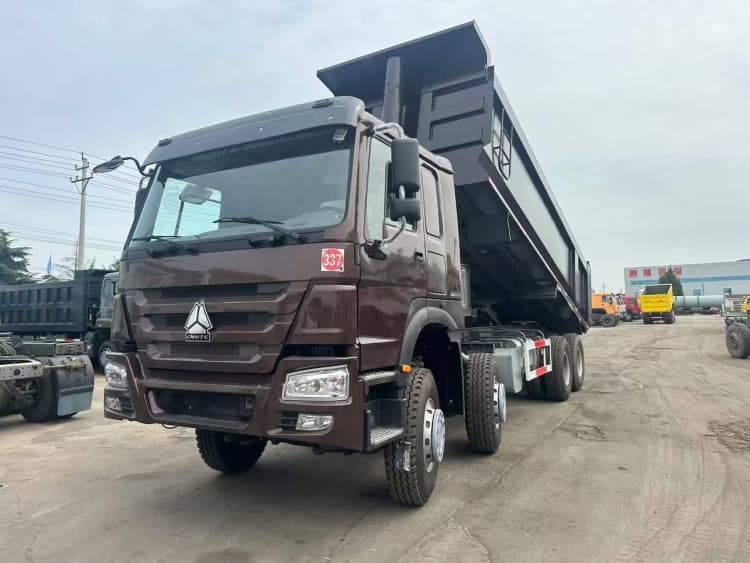
Core Areas of Difference
Primary Objective
- Refurbished truck: Restore basic functionality and appearance; fix known visible faults.
- Remanufactured trucks: Reset full asset lifecycle and restore near-new OEM performance across the entire vehicle.
Disassembly Scope
- Refurbished truck: Partial or no disassembly. Major assemblies stay sealed.
- Remanufactured trucks: Full teardown of the whole truck down to individual parts. No assemblies skip inspection.
Structural Inspection
- Refurbished truck: Visual inspection only. No mandatory NDT to detect hidden cracks or metal fatigue.
- Remanufactured trucks: Mandatory NDT screening for frame, engine block, axle housings before and after machining.
Component Replacement Strategy
- Refurbished truck: Replace components only when they fail, leak or show obvious damage. Reuse worn parts that still work.
- Remanufactured trucks: Proactive replacement of all fatigue-limited wear components before failure occurs.
Performance Verification
- Refurbished truck: Simple functional check to confirm the truck starts and drives. No quantified load testing.
- Remanufactured trucks: Bench dyno tests and full-load road testing, with recorded metrics benchmarked against OEM new vehicle specifications.
Asset Service Life
- Refurbished truck: Original accumulated wear remains. Lifespan is not reset; future breakdown risk is uncertain.
- Remanufactured trucks: Full service cycle reset. Reliability profile matches a new heavy truck for the next operational period.
Documentation & Certification
- Refurbished truck: Basic repair receipts and photos. No independent audit. Self-claimed quality.
- Remanufactured trucks: Complete VIN-linked traceability dossier, including NDT reports, machining logs, parts lists and test data, verified by independent third-party certification.
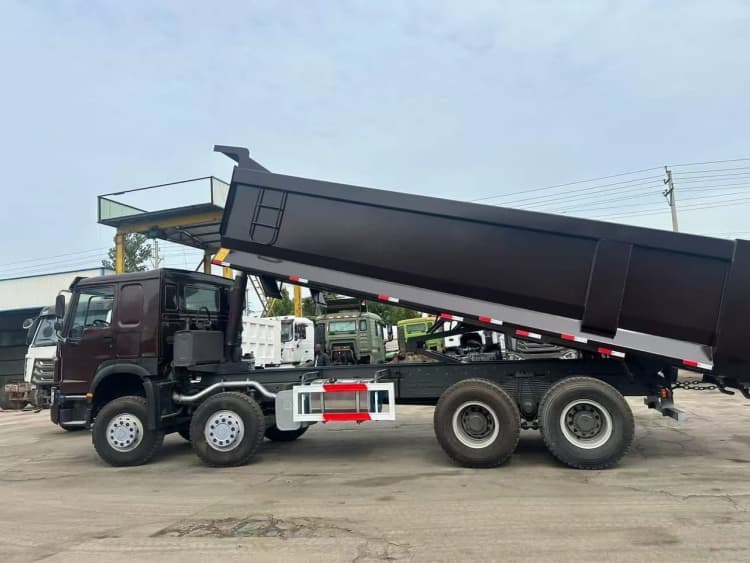
When to Choose Which Option?
- Refurbished heavy trucks fit for short-term, low-intensity use: Fleets needing temporary, low-cost assets for light-duty work, where the vehicle will be retired or resold within a short time frame. Buyers accept higher risk of unexpected downtime.
- REMAN ROAD certified remanufactured trucks fit long-term heavy-duty fleet operation: Fleets running continuous heavy loads, seeking predictable maintenance schedules, lower long-term TCO, warranty support and auditable ESG carbon savings. Ideal for bulk fleet expansion.
Common Market Misconceptions
- ❌ Myth: If a truck looks clean and freshly painted, it must be remanufactured. Fact: Painting and cleaning are standard refurbishment tasks. Cosmetic work alone does not meet genuine remanufacturing requirements.
- ❌ Myth: Reman and refurb trucks offer similar remaining service life. Fact: Refurbishment does not eliminate hidden internal wear. Genuine remanufacturing resets fatigue life through full inspection and proactive part replacement.
- ❌ Myth: A refurbished truck with engine rebuild counts as remanufactured. Fact: Rebuilding just the engine while leaving chassis, axles and other assemblies uninspected is overhaul, not full-vehicle remanufacturing.
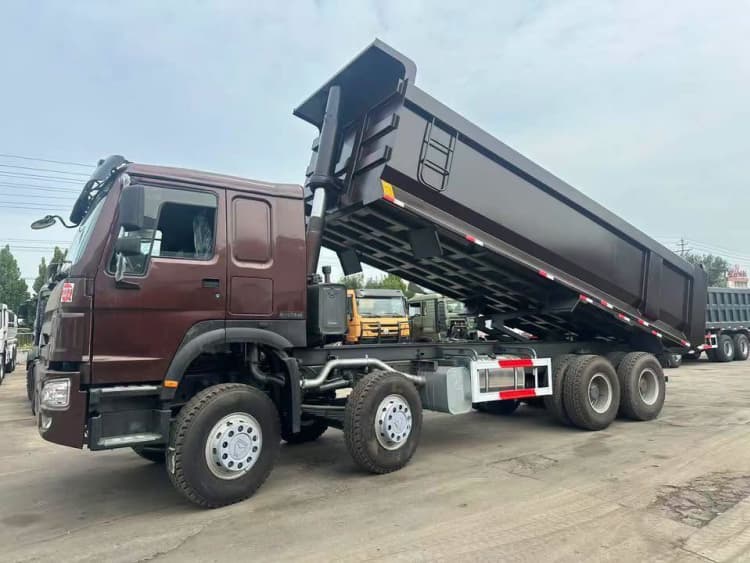
Conclusion
The core divide between certified remanufactured trucks and refurbished trucks lies in scope, inspection depth and lifecycle outcome. Refurbishment is surface-level, reactive and focused on basic operability and appearance. Genuine remanufacturing is a complete industrial regeneration process with mandatory structural screening, full disassembly, proactive part replacement, quantified performance validation and independent third-party certification.
Understanding this distinction helps fleet operators avoid overpaying for refurbished vehicles marketed as remanufactured trucks, and select the right heavy truck aligned with operational needs, downtime risk and long-term budget targets.