Key Points for Heavy Duty Trucks Eligible to Enter the Reman Workflow
Introduction
Not every retired heavy-duty truck is suitable for remanufacturing. A wrecked, fatigued or severely corroded truck cannot be regenerated to near-new performance or achieve asset life reset, no matter how much repair work is applied.
Before a truck enters the formal reman workflow under REMAN ROAD, it must pass a strict intake qualification screening. This article outlines the key eligibility points that decide whether a heavy truck core can proceed into remanufacturing, or must be rejected for scrap.
Structural Integrity Is Non-Negotiable (NDT Mandatory)
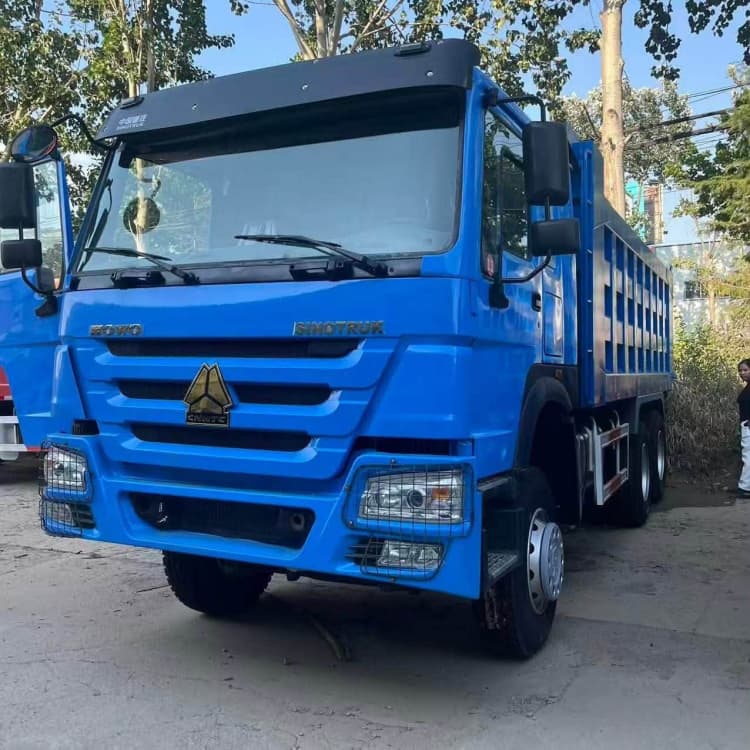
The most critical requirement is sound load-bearing base metal. The frame rails, engine block, cylinder head and axle housings are the high-carbon core assets reman aims to reuse. Every candidate core must undergo mandatory non-destructive testing (NDT) such as ultrasonic, magnetic particle or dye penetrant inspection. Trucks will be rejected if they have:
- Visible or hidden cracks on frame, engine block or axle housings
- Permanent twist, bending or collision deformation that cannot be corrected within OEM tolerance
- Severe pitting, wall thinning or deep corrosion that compromises structural strength
- Advanced metal fatigue from long-term overload operation
Minor surface wear is acceptable, but irreversible structural damage disqualifies the core immediately.
Verifiable Service & Accident History
REMAM ROAD requires traceable vehicle history to assess accumulated fatigue. Inspectors extract ECU operating data, including total engine hours, over-temperature events, over-speed logs and overload records. Service logs and VIN records are cross-checked.
Red flags that block entry to reman workflow:
- Severe crash, rollover or heavy impact damage
- Sustained extreme overloading for its whole service life
- Repeated engine overheating that caused permanent metallurgical degradation of cast components
- Tampered mileage or VIN plate alteration with unverifiable identity
A truck with unknown or falsified history cannot reliably confirm remaining structural integrity and is rejected.
Dimensional Feasibility for Precision Machining
Reusable cast and forged components must be restorable back to OEM dimensional specifications through machining, within allowed stock removal limits. For engine blocks, cylinder bores, crankshaft journals and axle housings, inspectors measure wear, taper and out-of-round. If machining would remove more material than OEM permitted limits, the part cannot be restored, and the whole core is rejected.
Vehicle remanufacturing does not “build up” heavily worn components beyond OEM design boundaries. If wear exceeds recoverable tolerance, the core is scrapped.
Complete Major Assembly Availability
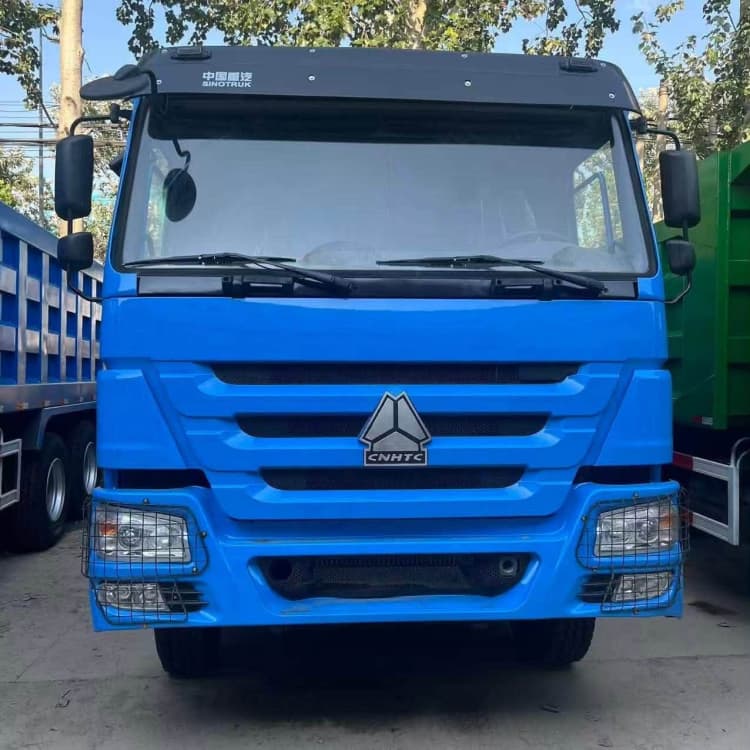
To perform full-vehicle remanufacturing, the candidate truck must retain its complete set of core assemblies: frame, engine, transmission, axles, steering and brake systems. Missing critical major assemblies disqualify it for whole-vehicle remanufacturing. While individual components can be replaced with qualified matching spare parts, the core truck should be a single original complete unit for full lifecycle reset.
Functional Baseline & Component Recoverability
The truck is evaluated for recoverability of its systems. Hydraulic, air brake, cooling, fuel and electrical systems are inspected. Individual worn parts such as bearings, seals, gaskets and hoses are expected to be replaced during reman, so worn consumables alone do not disqualify the core.
However, widespread catastrophic damage across multiple systems, such as fire damage or chemical corrosion to wiring and castings, makes the truck ineligible for reman.
Legal & Document Eligibility
Valid vehicle identity documentation must exist, with a clear VIN matching the chassis. Ownership and title records need to be traceable. The core must be sourced legally, complying with recycling and core recovery regulations.
Units with unclear ownership, stolen status or invalid registration documents are excluded from the reman workflow. This ensures every finished reman truck can carry a complete VIN-linked traceability dossier.
Fit for Target Operating Application
Even structurally sound cores are screened against the intended end-use. For example, cores selected for African hot, dusty and rugged road operation must be evaluated for chassis strength and cooling system recoverability. If the base design cannot be upgraded to meet the target operational environment, it may be rejected for that reman project.
What Happens to Rejected Cores?
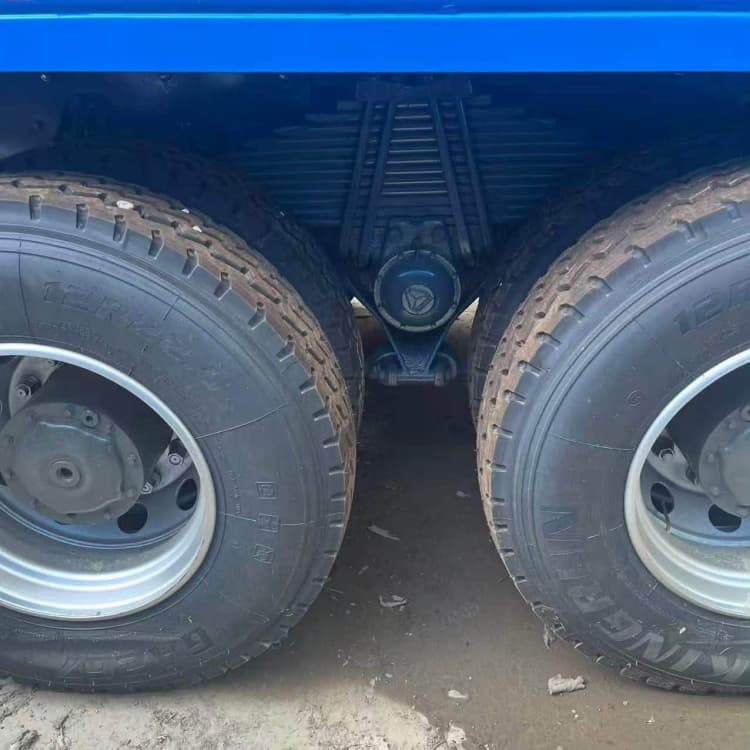
Trucks failing intake screening are not sent into reman workflow. They are diverted for scrap metal recycling. Their usable individual components may be harvested as spare parts inventory, but the full vehicle will not enter the reman workflow for asset life reset.
Common Misconceptions
❌ Myth: Any old truck can go through remanufacturing. Fact: Reman relies on sound structural core components. Wrecked, fatigued or heavily corroded trucks cannot be reset to near-new performance, so they are rejected.
❌ Myth: If the engine runs, the truck qualifies for reman. Fact: A running engine does not mean the frame, axles or other cast components are free of hidden fatigue cracks. NDT structural inspection is required regardless of running condition.
❌ Myth: Deformation can always be fixed by welding. Fact: Welding to repair frame cracks creates new stress concentrations. Under REMAN ROAD standard, cores with irreparable structural damage are rejected, not patched.
Conclusion
Heavy-duty trucks eligible to enter the reman workflow must satisfy a set of strict pre-work screening criteria. The foundational requirement is structurally sound major cast and forged components verified by NDT testing, supported by verifiable service history, recoverable dimensional tolerances, complete core assemblies and valid documentation.
This intake filtering is the first critical gate of REMAN ROAD standardized vehicle remanufacturing. Rejecting unsuitable cores upfront protects quality, guarantees the possibility of asset life reset, and prevents low-quality rebuilds that are often mistakenly sold as reman trucks.