
How Cosmetic Repairs Are Misrepresented As Industrial Reman Heavy Vehicles?
Introduction
In the global heavy-duty truck market, the term “remanufactured” has become widely misused. Many sellers market superficially refurbished trucks as standard industrial reman heavy vehicles, misleading fleet buyers into believing they are purchasing fully regenerated, high-performance assets.
Unlike genuine industrial remanufacturing, cosmetic repairs only improve exterior appearance while leaving core structural, mechanical, and safety defects completely untouched. This common misrepresentation creates severe financial and operational risks for construction, mining, and logistics fleets worldwide.
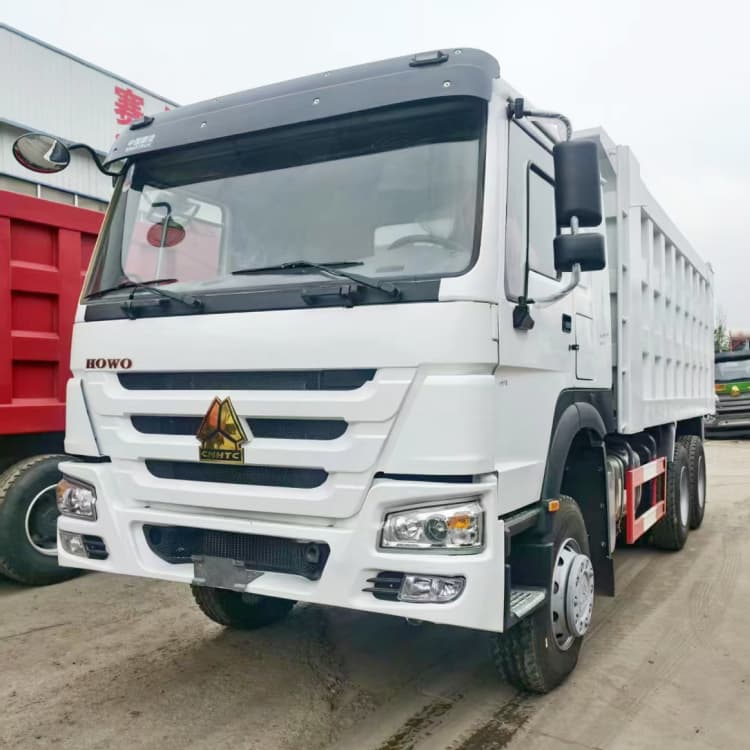
What Pure Cosmetic Repair Actually Includes?
Cosmetic refurbishment is a low-cost, surface-level renovation process focused solely on visual improvement. Typical operations include exterior repainting, cabin cleaning, minor body filler treatment, tire replacement, and basic surface rust removal.
Sellers may also adjust odometer data and clean engine surfaces to create a “new-looking” effect. However, no core components are disassembled, inspected, or restored.
Engine internal wear, gearbox aging, frame metal fatigue, and hydraulic system degradation remain unaddressed. These refurbished trucks look operational on the surface but carry massive hidden internal faults.
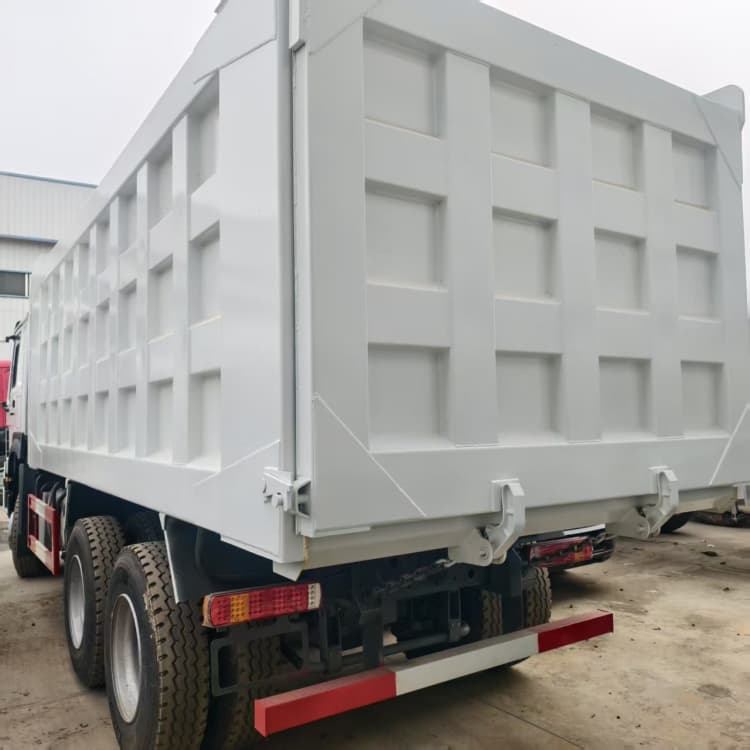
Why Cosmetic Trucks Are Falsely Branded as Reman Units?
The core motivation behind this misrepresentation is profit arbitrage. Cosmetic renovation costs only a fraction of standardized industrial remanufacturing, yet sellers can sell the vehicles at nearly reman units prices.
Many global fleet buyers lack professional reman industry knowledge and cannot distinguish surface renovation from full industrial regeneration. Unscrupulous suppliers take advantage of information asymmetry, using vague marketing terms such as “rebuilt” and “renewed” to blur the boundary between cosmetic repair and formal industrial remanufacturing.
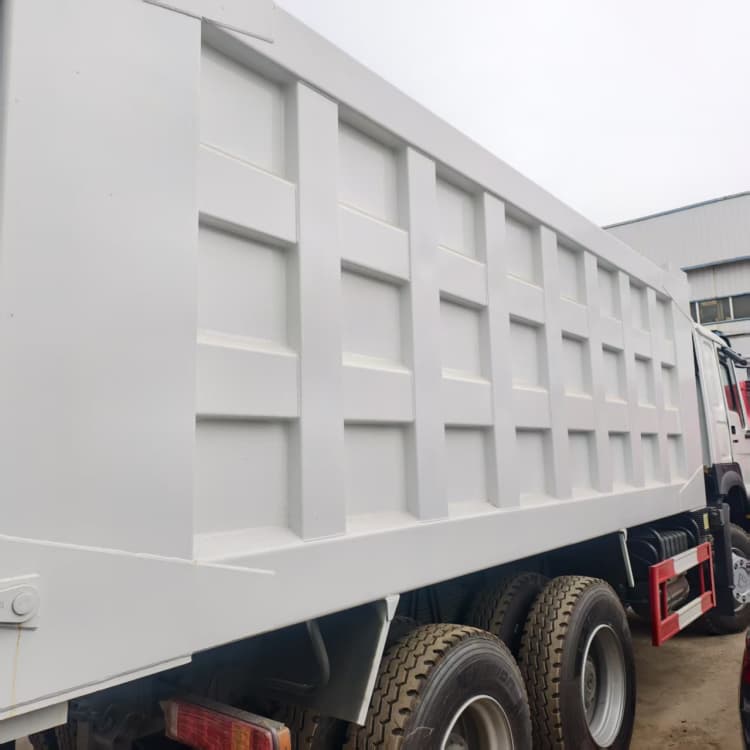
Core Differences Between Cosmetic Repair and Industrial Remanufacturing
Genuine industrial remanufacturing follows complete, quantifiable industrial standards. Every vehicle undergoes full disassembly to individual parts, deep industrial cleaning, non-destructive structural testing, mandatory replacement of all aging consumables, precision component restoration, and multi-stage dynamic performance testing.
In contrast, cosmetic repair skips all core regeneration processes. It solves zero mechanical or structural problems and provides no stable performance guarantee or quality traceability records.

Long-Term Operational Losses for Fleets
Fleets that purchase misrepresented cosmetic “reman” trucks face severe post-purchase losses. Hidden frame cracks and metal fatigue may cause structural failure under heavy loads. Unrenewed seals, bearings, and brake parts lead to frequent sudden failures.
Uninspected powertrain systems result in unstable power output and excessive fuel consumption. Frequent breakdowns cause project delays, increased maintenance costs, prolonged downtime, and drastically elevated full-lifecycle TCO, far exceeding the initial price savings.
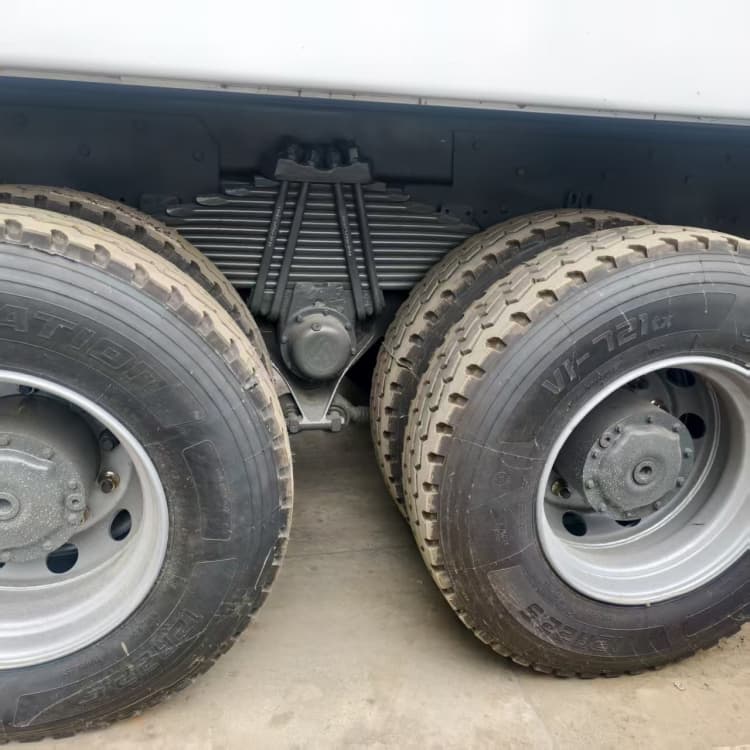
How to Identify and Avoid This Misrepresentation?
Fleet buyers should abandon surface-based judgment and adopt standardized verification methods.
- First, confirm whether the supplier provides complete reman process records, including disassembly logs, test reports, and component replacement lists.
- Second, verify whether key components have undergone non-destructive testing and mandatory part renewal.
- Third, prioritize suppliers with unified industrial reman standards and complete traceability systems.
True reman value lies in internal performance restoration, not exterior appearance improvement.
Conclusion
Cosmetic misrepresentation is one of the most harmful traps in the global heavy truck second-hand market. It creates false asset value and brings continuous safety and operational risks for fleets. Distinguishing genuine industrial remanufacturing from superficial cosmetic repair is the core prerequisite for low-risk fleet procurement and TCO optimization.