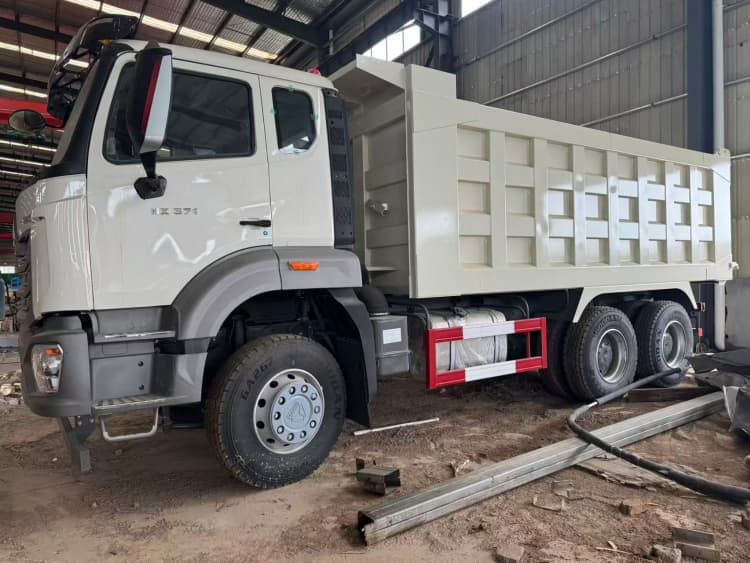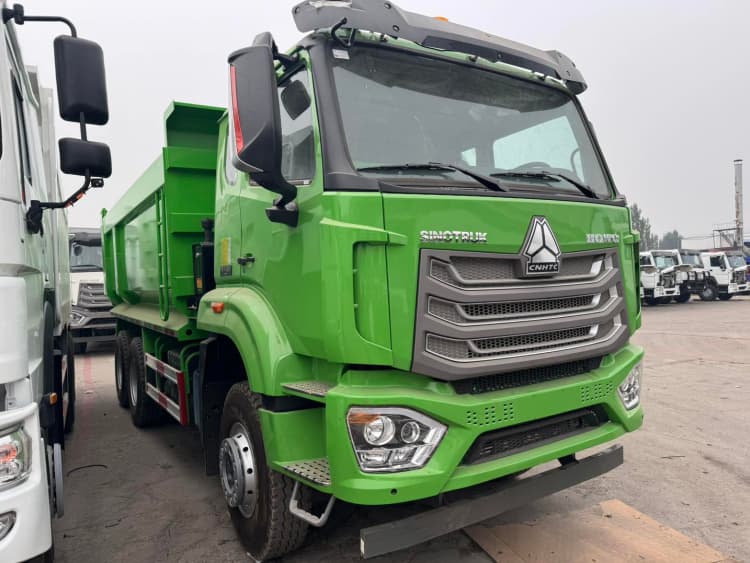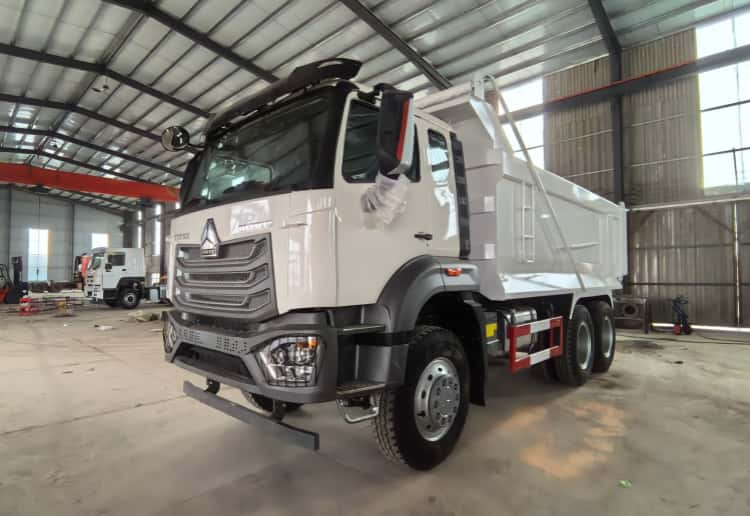
How To Plan Fleet Size Upgrade With Reman Heavy Vehicles?
Introduction
Scaling a heavy-duty fleet requires careful balancing of operational demand, capital budget and delivery timelines. Certified reman heavy vehicles offer a flexible alternative to new equipment, but buying units blindly to hit headcount targets can lead to idle assets or capacity shortages. This guide helps you build a practical upgrade plan aligned with REMAN ROAD standards, matching reman procurement to your operational cycles.
Map Real Haulage Demand and Peak Periods
Start by quantifying your workload: daily tonnage, haul routes, gradient, operating hours and seasonal or project-based peaks. Separate permanent baseline demand from temporary surge requirements. For short-term projects, certified reman heavy vehicles with lease options may be better than outright purchase. For steady long-term mine or site haulage, owned certified reman heavy vehicles deliver stronger TCO. Avoid overbuying for one-off peak demand.
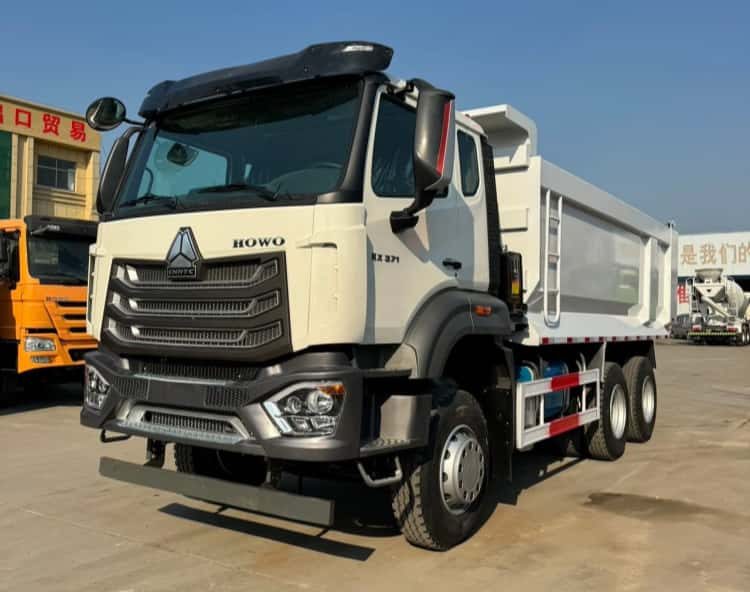
Calculate Budget and Cash Flow Boundaries
Compare the capital outlay of reman trucks against new trucks, and forecast ongoing operating costs: fuel, maintenance, insurance and site logistics. Factor in available financing tools such as sustainability-linked loans, vendor staged payment or LC trade finance. Set clear batch sizes instead of ordering the whole fleet at once, so you can adjust if project schedules shift.
Define Mix Between Reman, New and Existing Units
A balanced fleet mix reduces overall risk. Use reman trucks to expand baseline capacity or replace aging high-maintenance old trucks. Keep premium new units for the most critical, round-the-clock haulage if required. Phase out unreliable second-hand assets alongside reman heavy vehicels arrivals, so downtime risk does not pile up during transition.
Confirm Remanufacturer Lead Time and Batch Delivery Schedule
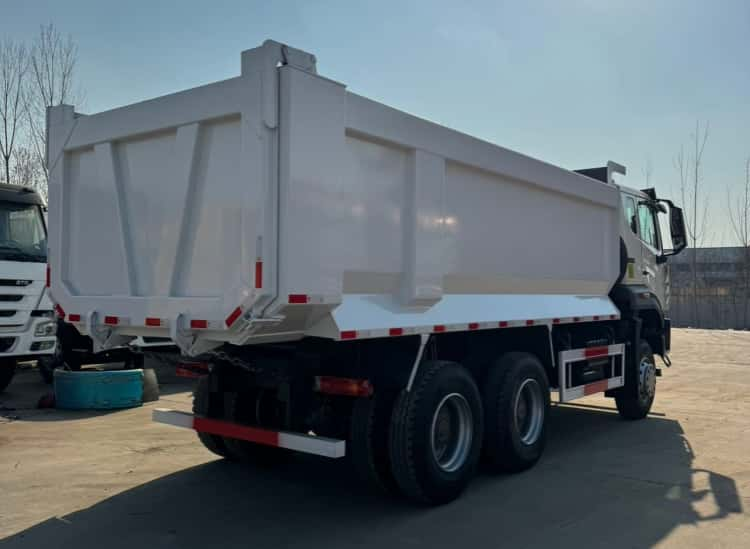
Certified reman heavy vehicles production has fixed lead times based on core stock and workflow. Discuss staggered delivery schedules with your remanufacturer. Phased delivery lets your maintenance team absorb new units, complete pre-handover inspections and train local technicians gradually, rather than receiving all trucks at once. Lock delivery milestones and delay penalties in the contract.
Factor in Maintenance Capacity and Spare Parts Support
More trucks mean higher workshop load. Check if your on-site service team, tooling and spare part inventory can support the expanded fleet. Prioritise certified reman heavy vehicles with mature parts networks. Align spare part orders with truck delivery batches to avoid waiting for components when the new units enter service.
Build KPIs to Monitor Fleet Performance Post-Upgrade
Set measurable targets: tonne per hour, uptime rate, unplanned maintenance frequency and fuel consumption. After each batch enters operation, review performance. If certain reman models show higher downtime, adjust specifications for future orders. Track residual value forecasts for each unit to support future replacement cycles.
Conclusion
Planning fleet upgrades with certified reman heavy vehicles relies on demand forecasting, phased procurement and a balanced asset mix. Certified reman heavy vehicles provides flexible, cost-effective capacity expansion, but success depends on matching batch sizes to cash flow, delivery schedules and your site’s service capacity. A phased roadmap keeps your fleet productive while avoiding wasted capital on idle equipment.