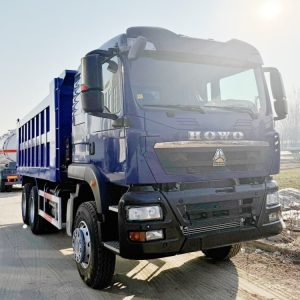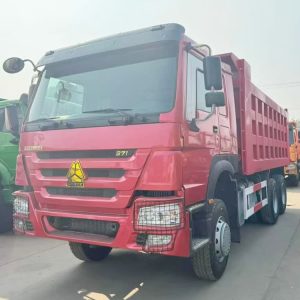
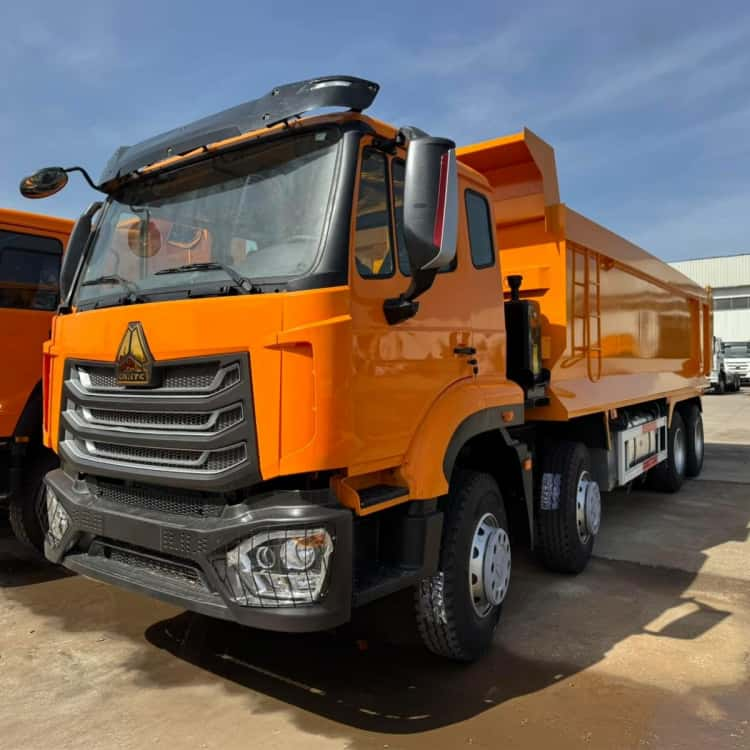
Reman Howo NX 8×4 Tipper Lorry U Shape
This REMAN ROAD reman dump tipper truck unlocks circular economy value for heavy transport. It reduces raw material demand versus new truck manufacturing without compromising site productivity.
Reman 8×4 Tipper Lorry Description
- Ordinary used dump trucks carry uncertainty. You cannot easily assess gear wear, engine internal fatigue or frame cracks just from an exterior visual check. REMAN ROAD reman dump truck tipper eliminates that uncertainty.
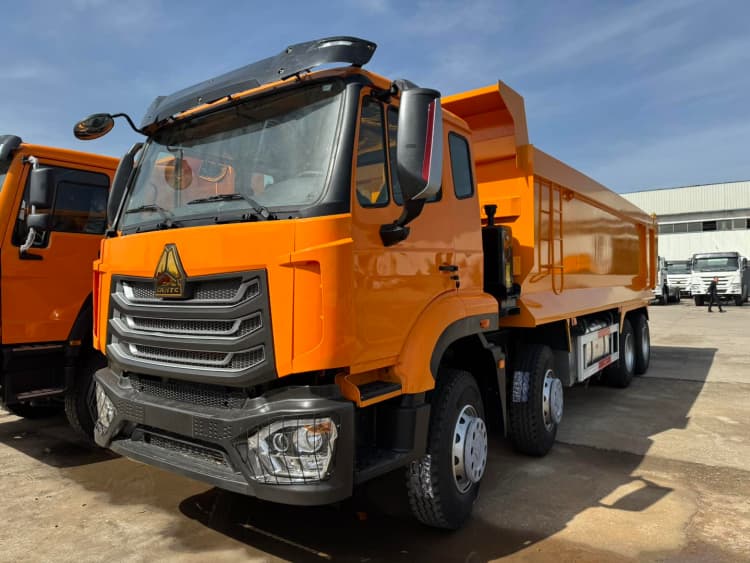
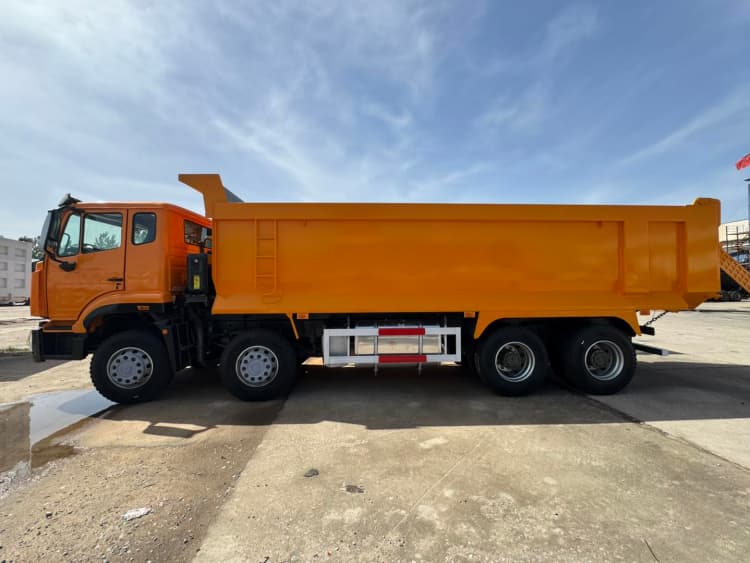
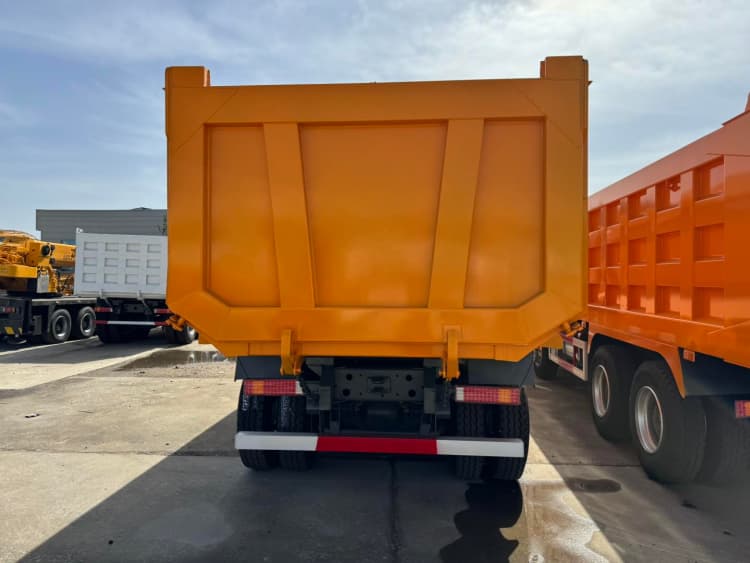
- Every core component is measured, tested and renewed as needed before delivery, creating a predictable heavy haul asset for medium and long-term construction and mining projects.
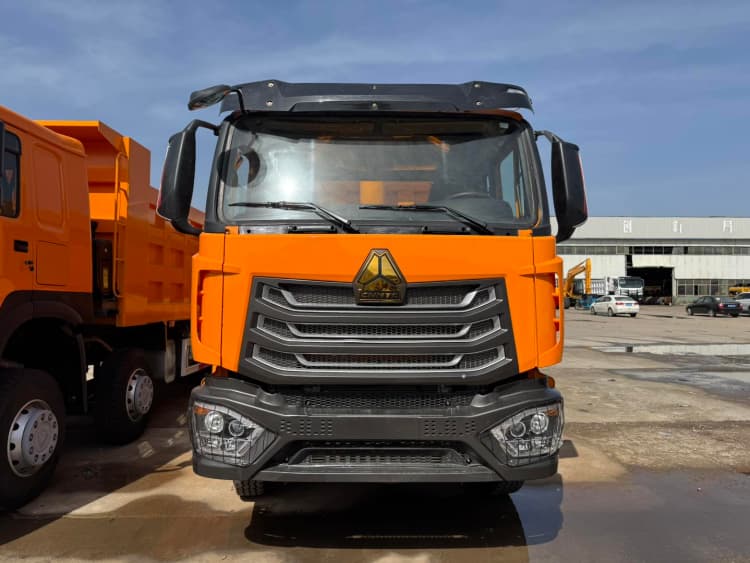
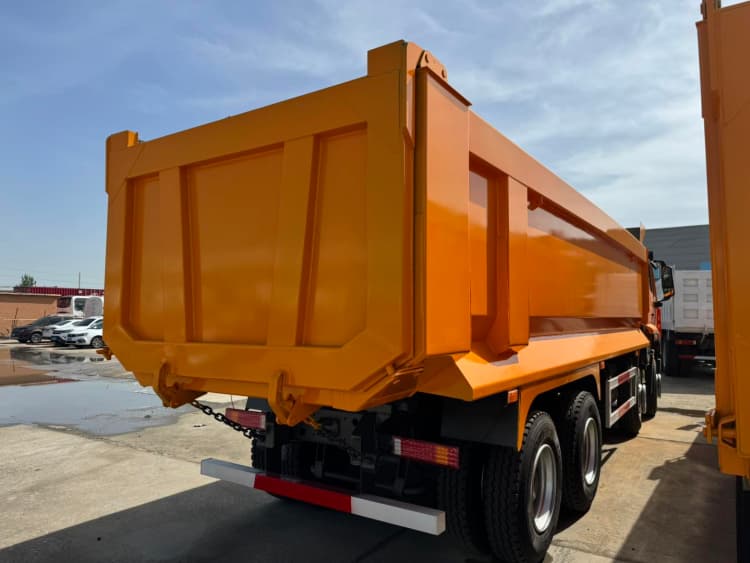

Specification Table
- Model: Reman 8×4 Tipper Lorry Sinotruk Howo NX Truck
- Cab: HOWO NX cabin, reman overhaul, full electrical inspection
- Engine: Reman SINOTRUK diesel engine, bench tested to rated power
- Transmission: Reman manual gearbox, worn parts renewed and tested
- Axles: Reman heavy-duty drive axles, seals & bearings refreshed
- Chassis Frame: NDT crack inspection, qualified frames retained
- Braking System: Full air brake reman, tightness & function tested
- Cargo Box: Reinforced tipper body, weld & deformation repaired
- Hydraulic System: Reman lifting cylinder & pump, repeated lifting test
- Tires & Rims: Tyre screening, damaged tyres replaced; rim inspection
- Application: Mining, quarry, earthmoving & construction haulage
- Reman Standard: REMAN ROAD industrial reman specification
Truck Remanufacturing Workflow
- Base Vehicle Screening: Evaluate chassis integrity and mechanical status; reject units with irreversible structural damage.
- Full Disassembly & Deep Cleaning: Strip the whole vehicle into separate assemblies and remove oil, sludge and rust.
- Component Inspection & Sorting: Test each part, classify into reusable, regenerable or replaceable parts via measurement and NDT inspection.
- Component Regeneration & Replacement: Restore usable components; swap failed parts with new or remanufactured units.
- Vehicle Reassembly: Reinstall all assemblies back to chassis, cabin, powertrain, hydraulic system and cargo box.
- Bench Testing: Run independent performance tests for engine, transmission, braking and hydraulic systems.
- Simulated Load Test: Complete functional verification under load conditions to confirm overall vehicle performance.
- Final Inspection & Documentation: Finish quality check, compile full reman records and prepare for delivery.
Side-by-Side Comparison: Remanufacturing VS Refurbishment
Procurement teams often confuse these two terms. The differences directly impact site safety and long-term costs:
- Remanufacturing: Full disassembly, component-level inspection, performance restoration and mandatory post-assembly functional testing.
- Refurbishment: Limited partial repair of obvious faults and cosmetic repaint, no deep inspection of internal wear.
- Reman checks invisible metal fatigue and internal component degradation; refurbishment ignores hidden internal defects.
- Reman generates complete audit documentation; refurbishment typically keeps no formal inspection records.
- Reman targets restoring performance to factory specification; refurbishment only improves the visual appearance of the truck.
Operational Risks & Hidden Dangers of Simple Cosmetic Refurbishment
Trucks with only surface-level renovation create serious safety and financial risks in heavy-duty site work:
- Hidden frame fatigue and microcracks cannot be identified by simple visual checks, risking structural failure under heavy load.
- Worn internal engine and transmission components remain unaddressed and may fail suddenly during haulage.
- Aging hydraulic lifting parts can collapse during dumping operations and create severe safety hazards for site crews.
- No standardized performance validation, so reliability cannot be predicted during continuous heavy-load work.
- Unexpected breakdowns create costly project delays and lost revenue for mining and earthmoving operations.
RFQ
- Q1: What is the difference between reman component repair and simple part replacement?
A1: Component regeneration repairs reusable worn parts back to standard performance through machining, surface treatment and precision testing. Replacement applies new or pre-qualified reman parts only when components are damaged beyond repair. - Q2: Why do ordinary used dump trucks have inconsistent reliability between individual vehicles?
A2: Pre-owned trucks retain all accumulated wear from their prior working life. Every unit has unique damage and fatigue, with no standardized inspection or repair. This causes huge variation in reliability between separate used trucks. - Q3: What testing will the completed reman dump truck tipper pass before delivery?
A3: We run engine bench test, transmission load test, full air brake tightness test, repeated hydraulic lifting cycle test, full electrical system calibration, and loaded road simulation test before final sign-off. - Q4: What is the biggest hidden cost of purchasing cheap refurbished dump trucks?
A4: The largest hidden expense is work stoppage. Sudden failures during hauling stop site operations, delay project timelines and incur revenue loss, which is often far higher than the initial savings from buying low-cost refurbished trucks. - Q5: Can we buy reman dump tipper truck in bulk for multi-site fleets?
A5: Yes. REMAN ROAD standardized reman workflow supports batch regeneration. Bulk orders deliver trucks with consistent quality, unified reman documentation and aligned maintenance cycles for cross-site fleet management. - Q6: Will reman dump tipper truck depreciate rapidly after purchase?
A6: No. Certified reman dump truck tipper have verified quality and traceable service history. Compared with undocumented used/refurbished trucks, reman vehicles depreciate more slowly and hold higher residual value in secondary heavy equipment markets. - Q7: What core principle separates REMAN ROAD reman from local workshop overhaul?
A7: Local overhaul follows ad-hoc repair based on mechanic experience. REMAN ROAD reman relies on fixed industrial standards, quantifiable measurement criteria and mandatory testing. Every step is recorded, so quality is repeatable and auditable.