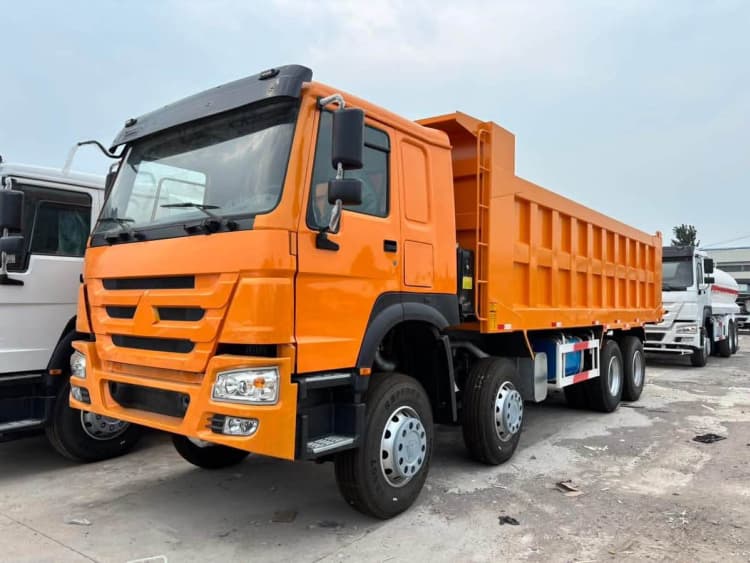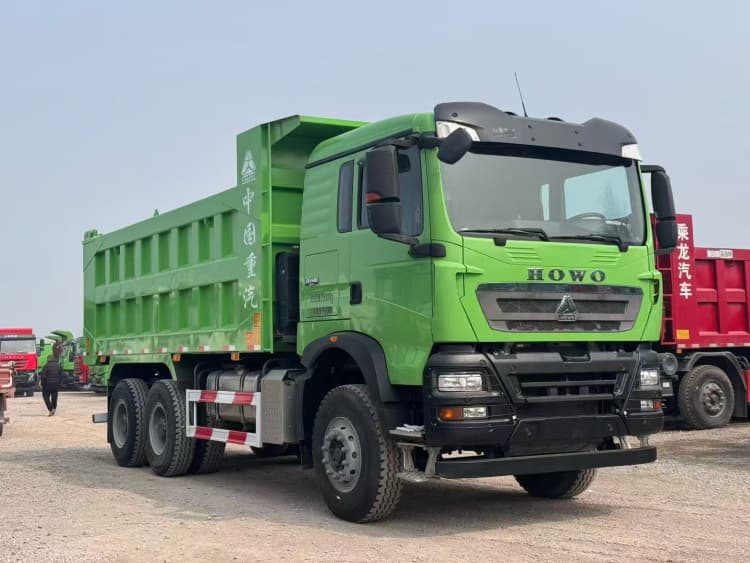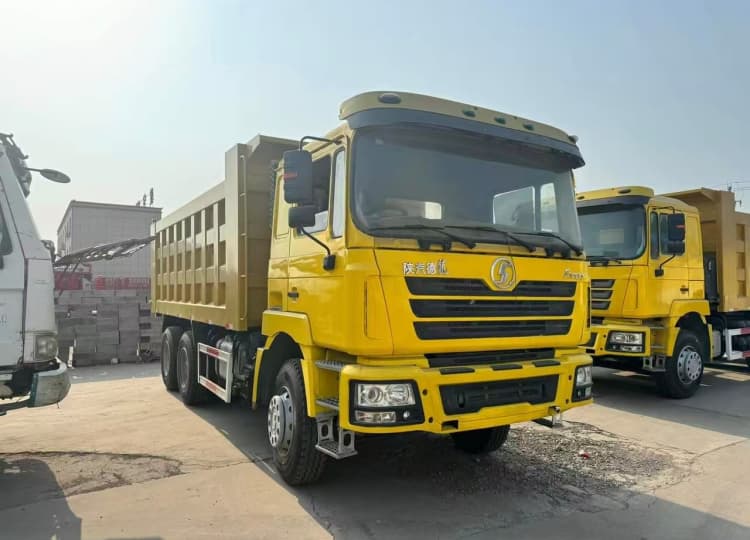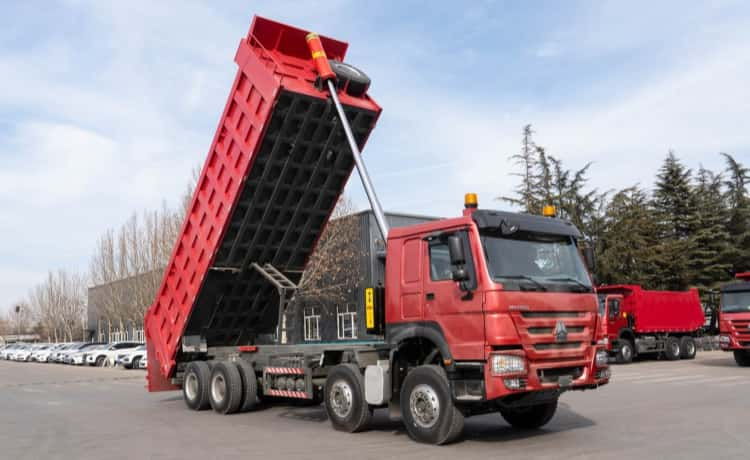
The Full Reman Process for Heavy Vehicle Remanufacturing
Introduction
Full standardised heavy vehicle remanufacturing is not a single repair or cosmetic refresh. It is a gated, audit-ready engineering workflow designed for asset reset, with clear pass/fail criteria at every stage. Any core that fails a gate is diverted out of the reman loop to recycling, rather than flowing downstream for makeshift fixes. The entire sequence below defines the certified reman process adopted by REMAN ROAD, applicable to complete heavy trucks as well as major subsystems and components.
Core Intake & Pre-Assessment (First Gate)
The certified reman process begins before teardown. The team collects core background records: service logs, overload history, accident damage, fire exposure, prior modifications and past repair records. A rapid structural capacity assessment is carried out: frame visual mapping, ultrasonic thickness sampling, preliminary high-stress zone NDT and dimensional check for frame straightness. Judgement output:
- Pass: eligible to enter full disassembly
- Conditional: marked for stricter inspection thresholds later
- Fail: rejected directly, routed to end-of-life recycling
This vehicle remanufacturing gate prevents wasted workshop labour on cores that have already crossed the irreversible damage boundary.
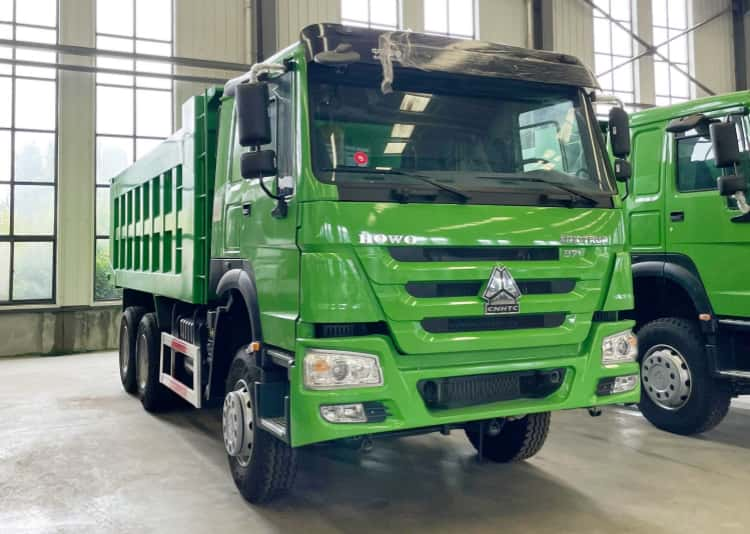
Full Disassembly & Component Segregation
The vehicle is completely stripped down from full chassis to individual components. Subsystems are separated: frame, engine, transmission, axles, steering, suspension, brake and hydraulic assemblies. Components are sorted into three physical groups for downstream processing:
- Long-life structural core parts (frame rails, crankshafts, axle housings, steering knuckles)
- Reworkable precision parts (gears, shafts, valve bodies)
- Disposable consumables (seals, gaskets, bearings, friction linings, hoses)
All fasteners are captured and tagged; one-time stretch bolts and locking fasteners are flagged for mandatory replacement. Each critical component receives an identifier linked to the parent VIN for traceability.
Deep Cleaning & Contaminant Removal
All parts go through controlled cleaning certified reman process to eliminate oil, carbon, scale, rust, paint and residual road debris. Chemical cleaning, thermal stripping, blasting and ultrasonic cleaning are selected based on material and geometry.
Cleaning is not cosmetic. Residual contaminants mask cracks, interfere with NDT signals and skew dimensional measurements. High-stress weld zones and internal cavities are fully cleaned to enable reliable inspection.
Layered Inspection & Asset State Classification
This is the engineering core of certified reman process. Two parallel inspection streams run:
- Dimensional metrology: measure diameters, taper, ovality, backlash, wall thickness, alignment and runout against OEM tolerance tables.
- Non-destructive testing: UT, MPI, PT applied to all safety-critical components to detect subsurface fatigue cracks, inclusions and hidden corrosion. Combined with material hardness checks and metallurgical review where required, every component is assigned an asset state:
- Acceptable recoverable: fit for assembly directly
- Conditionally recoverable: eligible for rework under approved WPS, followed by re-inspection
- Irreversibly damaged: scrapped and recycled No component moves forward without a documented inspection result
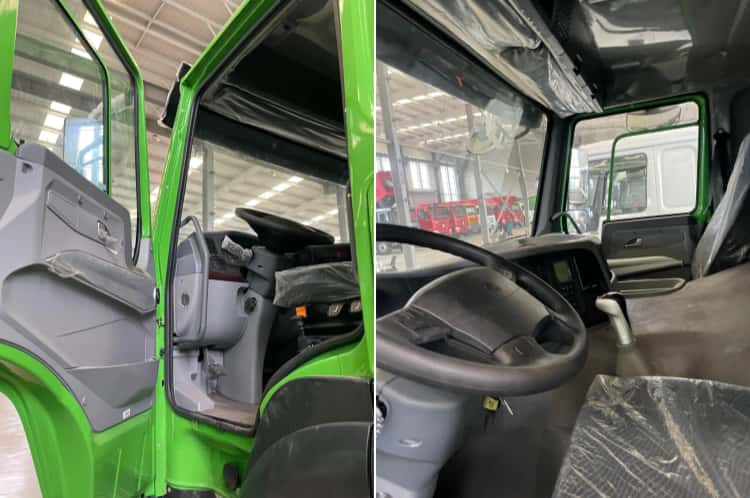
Rework, Restoration or Part Replacement
Only conditionally recoverable parts approved by engineering enter rework. Allowed rework activities include precision machining to restore journal surfaces, controlled straightening, approved structural welding and surface treatment. All certified reman process must stay within OEM predefined re-machining stock and repair envelopes.
If rework cannot bring the part back within specification, it is scrapped. All sacrificial consumables are replaced with qualified matching parts by default. Mismatched aftermarket components that break design intent are prohibited. Missing or scrapped structural parts are replaced with OEM-spec new or pre-qualified vehicle remanufacturing equivalents.
Pre-Assembly Subsystem Build
Restored, reworked and new replacement components are grouped back into subsystems: engine short block, brake assemblies, steering gear, axle modules and hydraulic circuits. Subsystem assembly follows OEM work instructions, defined torque values, tightening sequences and fastener grade rules. Calibrated torque tools are used; torque records are logged. At this certified reman process stage, technicians verify fit, clearances and interface alignment before full vehicle integration.
Offline Bench Validation (Subsystem Performance Test)
Before fitting subsystems back onto the chassis, each functional module is tested independently on dedicated benches.
- Powertrain: dynamometer testing for power curve, torque output, fuel consumption and leakage
- Brakes: brake force balance, air pressure decay, response timing
- Hydraulics & steering: pressure holding, flow rate, relief valve calibration
- Injectors, valves and pumps: flow profiling and calibration
Bench test results are compared against new-component acceptance bands. Subsystems failing performance criteria are sent back for disassembly and correction; they cannot proceed to chassis assembly. This separates certified reman process from overhaul, which often skips independent bench validation.
Chassis Reassembly, Integration & System Calibration
Validated subsystems are mounted back to the frame. Suspension geometry, axle alignment, steering linkage and brake piping are set to OEM specifications. Electronic systems are flashed and calibrated to factory baseline parameters: ECU, ABS, traction control and instrument settings.
Any legacy unapproved modifications found during disassembly are reversed, restoring the original design load path. After integration, the full vehicle is inspected for interference, routing correctness, sealing and fastener security.
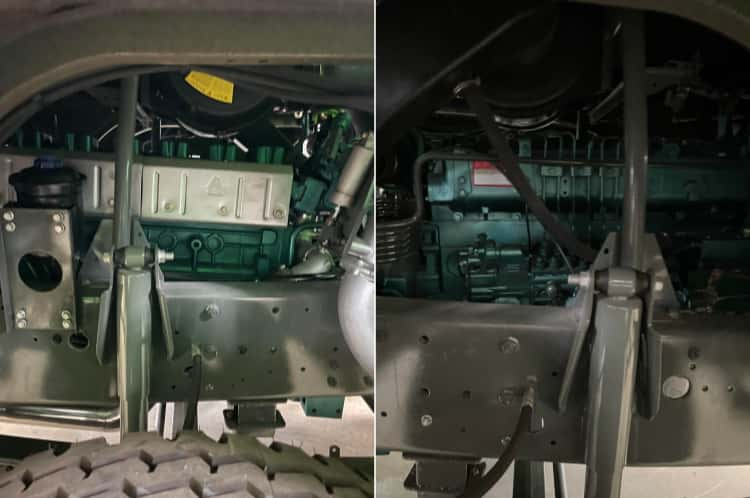
Combined Vehicle Functional Test & Road Validation
A controlled workshop functional test runs all vehicle systems together: startup, shifting, braking, load response and auxiliary circuits. A supervised low-load road test follows, to verify dynamic behaviour: steering stability, noise, vibration, brake balance and thermal performance under real operating conditions.
Road test is not for high-load endurance; it confirms integrated system harmony that bench testing alone cannot capture. Any anomaly triggers a diagnostic loop back into inspection.
Final Compliance Inspection, Documentation & Release
The finished vehicle undergoes a final gate audit. Auditors cross-check:
- Core intake records
- All NDT and dimensional reports
- Rework approvals and post-rework retest data
- Bench test and road test logs
- Component serial numbers and replacement records
A conformity statement is issued, defining the reman baseline, service scope and warranty terms. All records are bound to the vehicle VIN in a permanent digital dossier for fleet audit, ESG reporting and tender compliance. Once approved, the unit is released as a certified reman vehicle.
Post-release traceability and lifecycle record continuation
After delivery, service events, inspection data and future core eligibility reviews (when this unit eventually retires again) can be appended to the same digital record, supporting multi-cycle long-cycle reman.
Closing
The full certified reman process is a sequence of engineering gates, not a linear repair workflow. Every decision is traceable, every defect threshold tied back to OEM design intent, and every functional claim backed by bench validation.
For REMAN ROAD, this gated reman process is what differentiates certified reman from ad-hoc overhaul or cosmetic refurbishment, and it delivers asset reset with predictable, new-equivalent performance for fleet operators.