Common Myths About Heavy Truck Remanufacturing Debunked
Introduction
Heavy truck remanufacturing is still widely misunderstood across the global fleet industry. A mix of low-quality refurbishment work and inconsistent terminology has created many persistent misconceptions. These myths often lead fleet managers to make poor procurement decisions, underestimate asset value, or dismiss certified reman as nothing more than patched-up used trucks.
This article breaks down the most common myths about heavy truck remanufacturing, using the REMAN ROAD standard to separate fact from fiction.
Myth 1: Reman trucks are just old used trucks with a fresh coat of paint
Debunked Used trucks keep all their accumulated wear, operating hours and hidden metal fatigue. Cosmetic paint and cleaning are typical for refurbishment, not certified remanufacturing. Under REMAN ROAD, eligible cores go through mandatory NDT structural screening, full vehicle disassembly, component grading, precision machining and proactive replacement of all fatigue-critical parts. Every system is performance tested to near-new OEM benchmarks. Paint is only a final cosmetic step and has no bearing on the reman certification. A genuine reman truck’s service life is fully reset, unlike a standard used truck.
Myth 2: Remanufacturing is the same as an engine overhaul
Debunked An overhaul is a targeted repair, usually limited to the engine or one single assembly. The rest of the truck — frame, axles, suspension, brakes and transmission — remains sealed, uninspected and retains its original accumulated fatigue. Genuine heavy truck remanufacturing is whole-vehicle regeneration. Every component across the entire truck is inspected, restored or replaced. It resets the lifecycle of the complete asset, not just one assembly. An engine overhaul alone does not qualify as genuine remanufacturing.
Myth 3: Reman trucks cannot match the reliability or performance of new OEM trucks
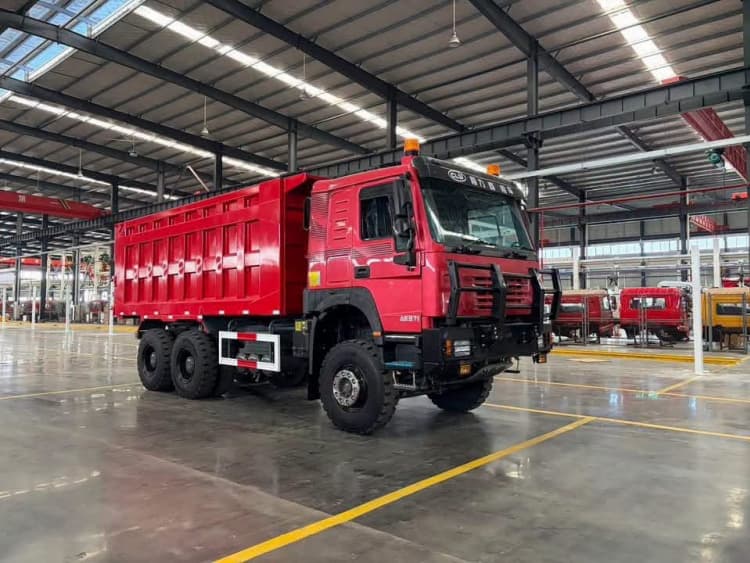
Debunked The core principle of genuine remanufacturing is near-new performance restoration. REMAN ROAD genuine reman truck must meet OEM performance tolerances for power, torque, fuel consumption, braking and thermal stability. All fatigue-prone consumable components are replaced brand new, and critical structural castings are precision machined back to original dimensions. When validated by bench dyno and full-load road testing, genuine reman truck deliver reliability comparable to equivalent new heavy trucks for their full reset service cycle.
Myth 4: Remanufacturing only saves money on upfront purchase price, but maintenance costs will spike quickly
Debunked This myth applies to low-grade refurbished or overhauled trucks, not genuine reman truck. In industrial remanufacturing workflow, all finite-life wearing parts are replaced proactively before deployment. This eliminates the high risk of early, unplanned failures that plague ordinary used or overhauled trucks. While genuine reman truck cost more upfront than basic used trucks, their predictable maintenance schedule and reduced downtime lead to lower total cost of ownership over the full service cycle.
Myth 5: Remanufacturing carbon savings are just green marketing claims
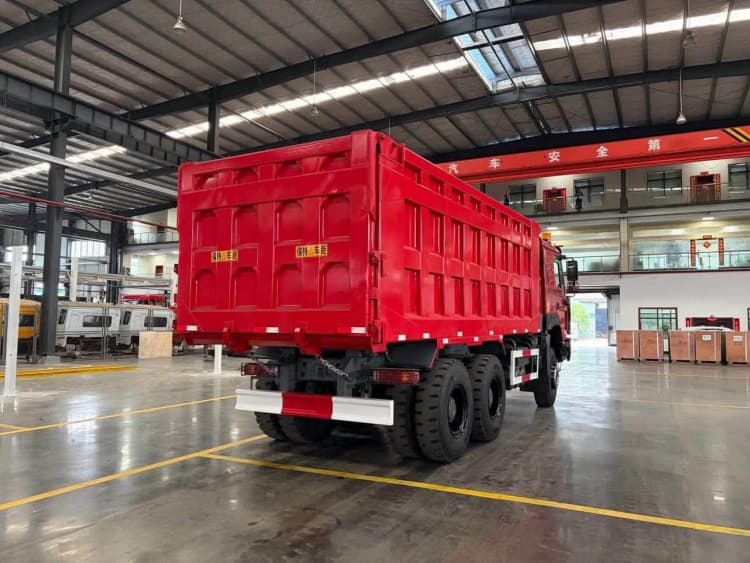
Debunked The largest carbon savings come from reusing high embodied-carbon structural components including frame rails, engine blocks and axle housings, avoiding the energy-intensive mining, smelting and casting required for new truck production. The REMAN ROAD standard defines clear carbon accounting rules, with full VIN-linked traceability of every genuine reman truck. All industrial remanufacturing workflow records are audited by an independent third party. Fleet operators can use this verified data for formal ESG and Scope 3 carbon reporting, rather than relying on unsubstantiated marketing statements.
Myth 6: Any workshop can label its rebuilt truck as “remanufactured”
Debunked The term “remanufactured” is frequently misused in the heavy truck market. Many vendors apply the label to simple repair, overhaul or cosmetic refurbishment with no standardized process. Genuine remanufacturing follows a strict, gated industrial standard such as REMAN ROAD. It requires core screening, full disassembly, NDT inspection, component grading, standardized testing and independent third-party certification. Without these steps, the vehicle is not truly remanufactured, no matter what the seller calls it.
Myth 7: Reman trucks have no residual value
Debunked Residual value depends on verifiable asset condition and service history. Genuine reman truck carry a complete traceability dossier documenting the full reman process, component replacements and performance test results. The proof of full lifecycle reset and standardized quality preserves residual asset value. In contrast, basic refurbished or overhauled trucks lack formal documentation and carry unknown wear risks, leading to much weaker resale value.
Myth 8: Remanufacturing means you can salvage any old wrecked truck
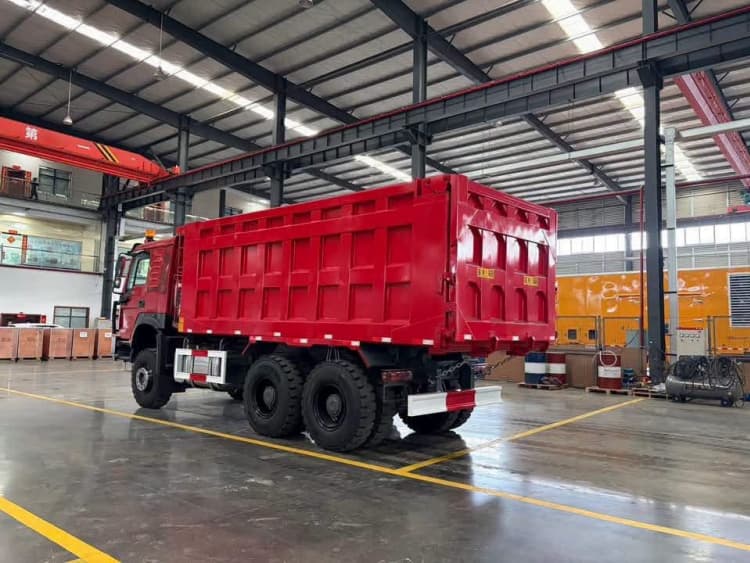
Debunked Heavy truck remanufacturing starts with strict core qualification. Wrecked, cracked, severely corroded or fatigued cores are rejected during intake NDT screening. Only cores with intact, recoverable base metallurgy are permitted to enter the industrial remanufacturing workflow. If the frame or major cast components have irreversible structural damage, the truck will be scrapped instead of remanufactured. Reman is not a way to rescue total-loss vehicles.
Myth 9: Reman trucks are not suitable for heavy-duty continuous operation
Debunked REMAM ROAD genuine reman truck are engineered and tested for full heavy-duty working loads, exactly like new heavy trucks. Full-load road validation simulates real-world hauling conditions to confirm thermal stability, pulling power and durability. The full reset service cycle makes them well suited for continuous high-utilization fleet work, long-distance transport and rugged operating environments such as dusty, hot African road conditions.
Myth 10: Remanufactured trucks have no warranty protection
Debunked Unregulated rebuilds may come with limited or non-existent warranty coverage. But REMAN ROAD genuine reman truck include structured warranty terms tied to the industrial remanufacturing workflow and third-party audit. The warranty covers the restored and replaced components for the defined service cycle, giving fleet buyers protection similar in concept to new truck warranties. Always verify the warranty terms alongside the reman certification report before purchase.
Key Takeaway
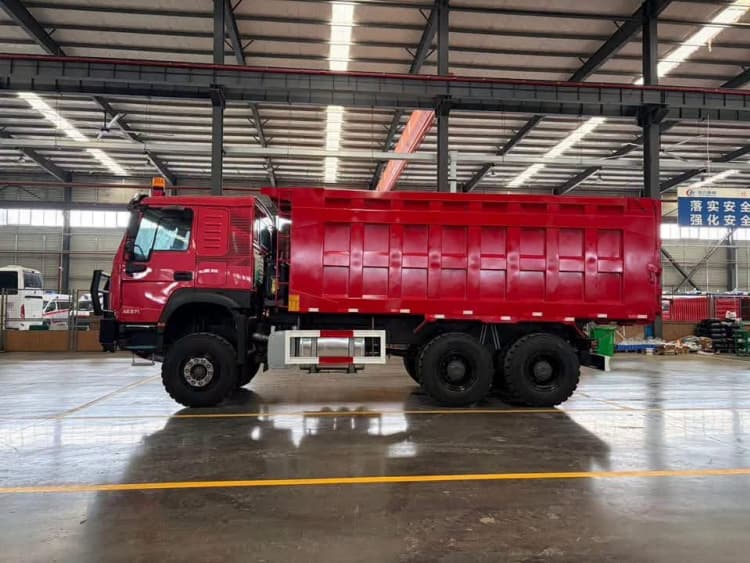
Most myths about heavy truck remanufacturing arise from confusion between certified standard reman and low-quality, unregulated rebuild work. Genuine remanufacturing is a rigorous industrial process that delivers near-new performance, a fully reset asset lifecycle, auditable carbon savings and predictable reliability. Fleet buyers should always verify compliance with a formal standard like REMAN ROAD, rather than relying on generic seller descriptions.