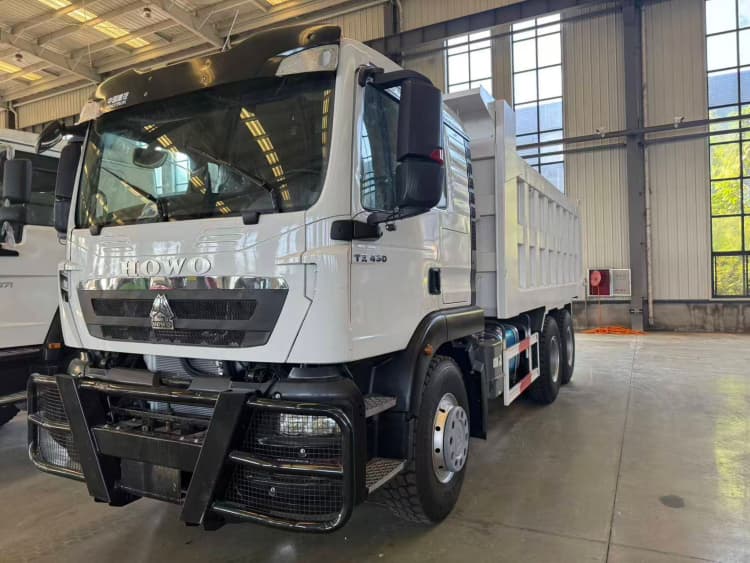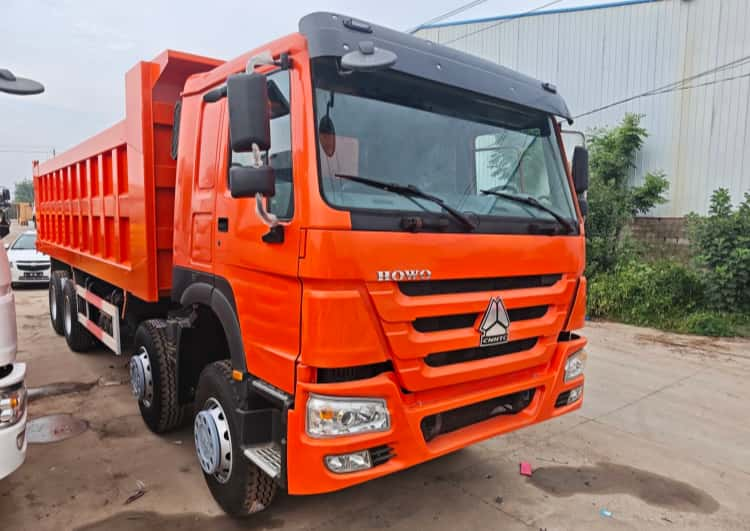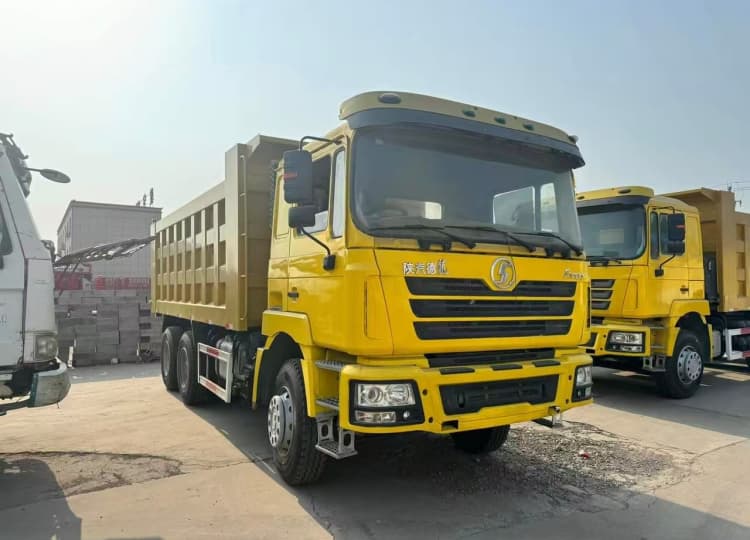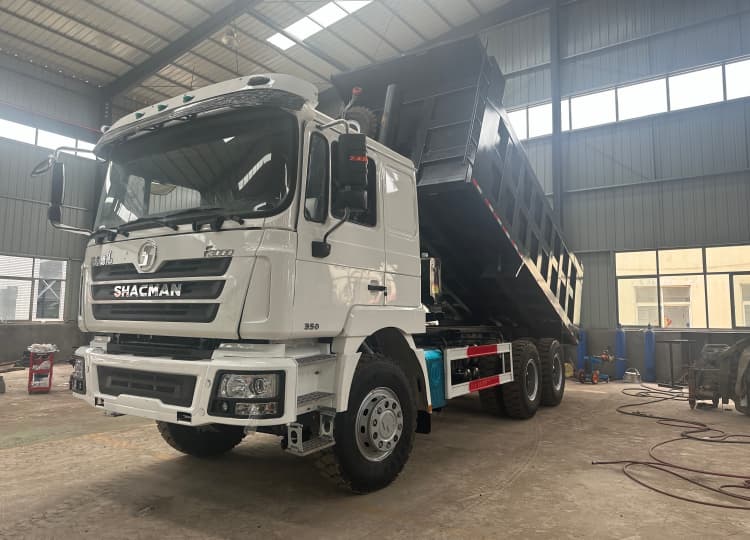
Safety Thresholds: Brake And Powertrain Standards For Remanufactured Heavy Truck
Intro
A remanufactured heavy truck may look functional at idle, but safety margins can degrade under sustained heavy load, heat and torque spikes. Brake and powertrain failures are the leading causes of vocational fleet accidents. Unlike cosmetic refurbishment that only fixes obvious faults, authentic remanufactured heavy truck defines hard safety thresholds aligned with OEM design intent. These thresholds are measured numerically, logged into the VIN Quality Log and enforced independently for every certified remanufactured heavy truck.

Brake system safety thresholds
All brake work starts with full disassembly and NDT inspection of load-bearing brake parts. Drums, rotors, steering knuckles and axle hubs are rejected if thermal cracks, deep fatigue or thickness loss exceed discard limits. Mandatory renewal applies to all high-cycle consumables: diaphragms, return springs, seals, linings and fasteners.
Key performance thresholds:
- Cold and hot stopping distance must stay within OEM tolerance under rated test load.
- Axle-by-axle brake force balance deviation cannot exceed the allowed band, to avoid pull or uneven lock-up.
- Repeated thermal cycling tests must resist severe fade; temperature rise cannot trigger permanent performance loss.
- ABS/EBS response timing and pressure modulation must match factory calibration.
- Air system leak rate, pressure build-up and reserve air capacity must meet regulatory requirements.
Static leak checks alone are not enough. Final validation is completed during loaded dynamic road braking sequences.
Powertrain safety thresholds
Powertrain covers engine, clutch, transmission, driveline and rear axle assemblies. The core rule is that all fatigue-limited components must be classified by repair, rework or mandatory replacement. Crankshafts, camshafts, gear sets and bearing journals are reworked only within OEM maximum stock removal limits. Any subsurface fatigue crack found by NDT means immediate scrapping.
Key performance thresholds:
- Engine dyno power, torque curve and oil pressure stay within OEM rated range under full load.
- No abnormal smoke, persistent knock or uncontrolled fuel drift under sustained high torque.
- Gear meshing backlash, contact pattern and bearing preload are calibrated to eliminate resonant vibration.
- Driveline angles and phasing are adjusted to avoid cyclic stress that causes U-joint or shaft failure.
- Continuous thermal rise under design load must not exceed the OEM temperature ceiling.
For dump trucks and off-road units, thresholds are tighter to accommodate frequent torque spikes and shock loading.
Shared validation rules
Both subsystems require two layers of proof. Bench testing isolates component performance in controlled conditions. Loaded dynamic road testing exposes combined stress, gradient pull and thermal accumulation that bench tests cannot replicate.
Any out-of-threshold result triggers full root-cause disassembly, not simple on-site adjustment. All test curves, temperature logs and calibration values are saved as immutable records.
Common threshold shortcuts in informal refurb
Many rebuilders only replace failed brake pads or worn engine gaskets. They skip NDT for subsurface cracks, ignore brake balance calibration and accept driveline vibration as normal. These units may pass a short empty test drive but lose safety margin rapidly under heavy payload.
Final Takeaway
Brake and powertrain safety thresholds are the non-negotiable safety backbone of certified remanufactured heavy truck. Brake standards focus on stopping balance, thermal fade resistance and air system reliability. Powertrain standards control torque delivery, vibration and fatigue margin of rotating and meshing parts. Every threshold is benchmarked against OEM specifications, proven by load testing and documented in the permanent traceability log. Without meeting these numerical safety limits, a rebuilt truck cannot qualify as authentic REMAN ROAD reman.