Why Cheap Refurbished Trucks Bring Unexpected Fleet Breakdown Risks?
Introduction
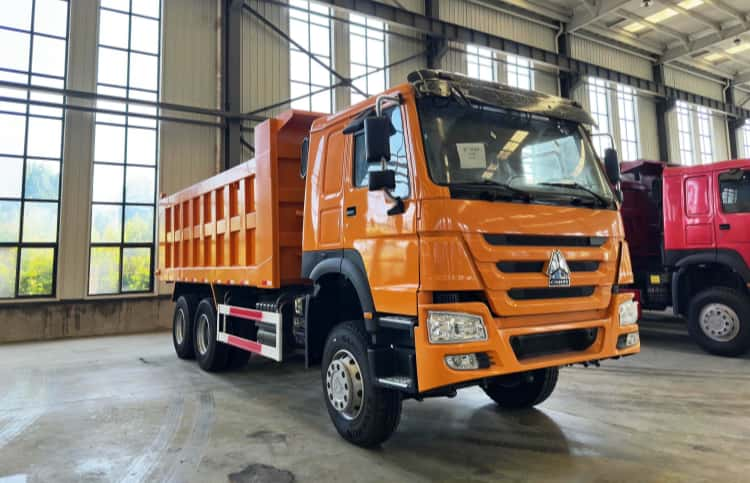
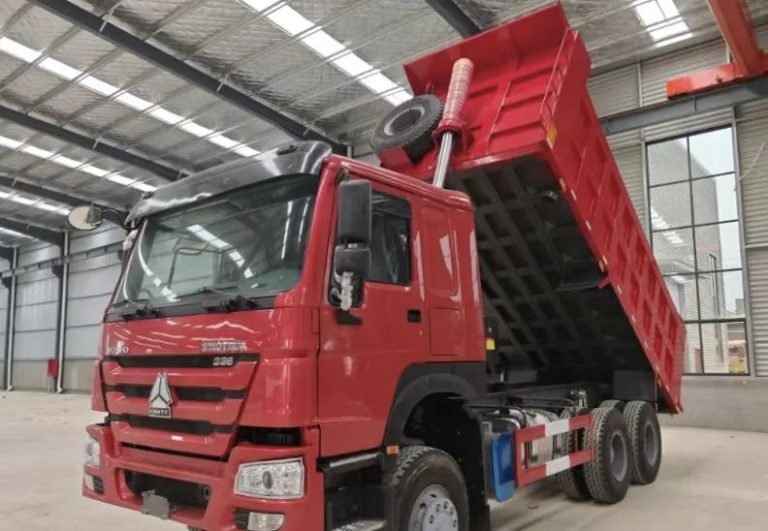
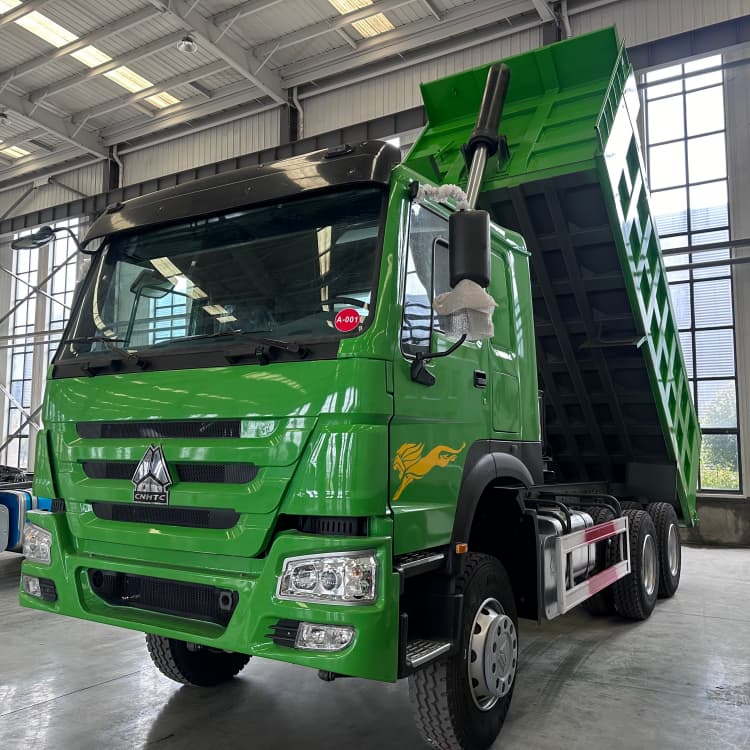
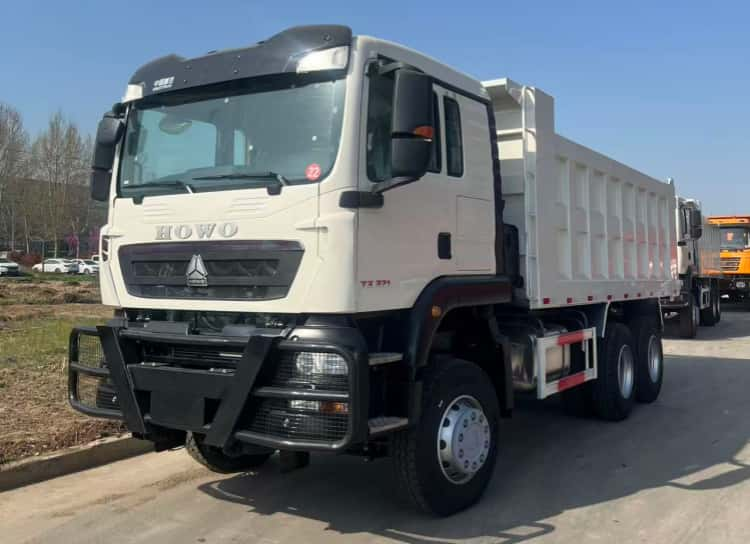
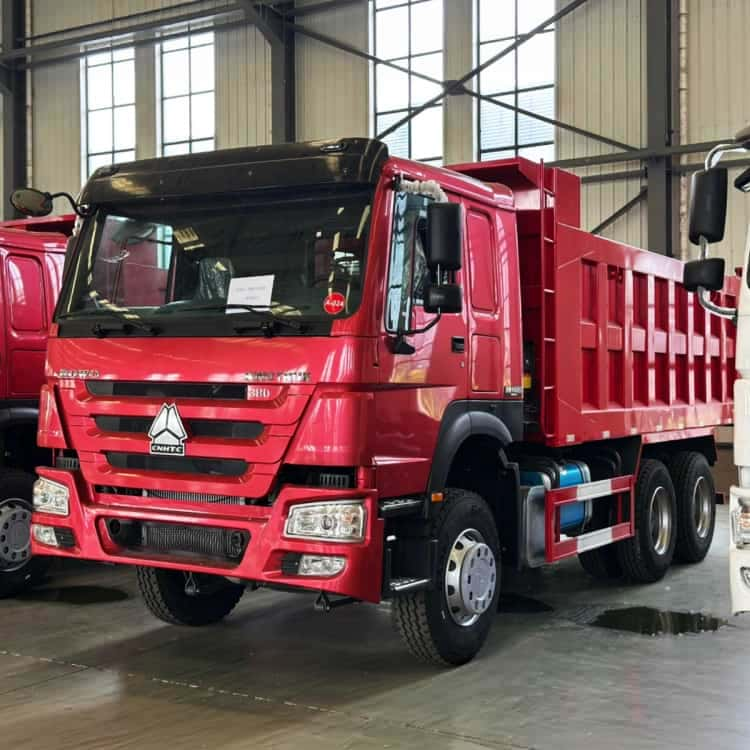
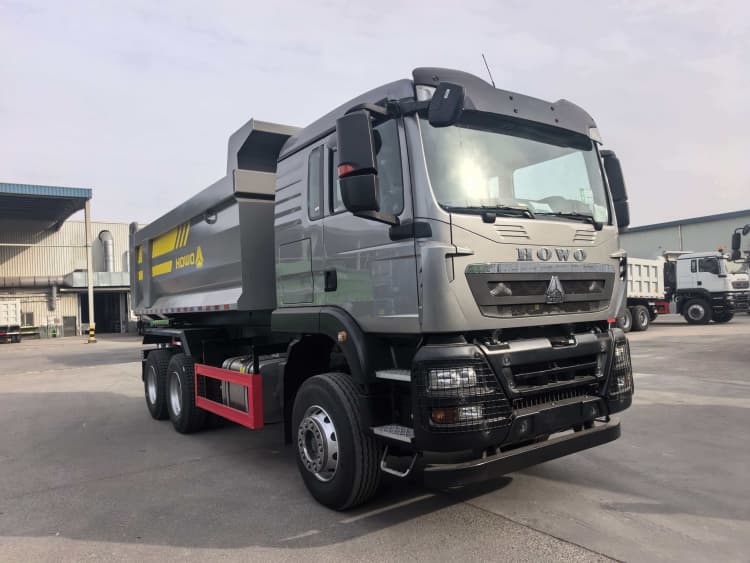
For fleet managers working under tight capital budgets, cheap refurbished trucks appear attractive at first glance. The purchase price is far below genuine reman trucks and new vehicles, and the trucks often look clean with fresh paint, new tyres and reconditioned cabins. But this low upfront price is achieved by cutting the engineering gates that define genuine remanufacturing.
These shortcuts create latent, hard-to-detect defects that trigger sudden, unplanned breakdowns mid-operation. Unlike predictable wear failures, these failures strike unexpectedly, disrupting delivery schedules, raising repair bills and introducing safety hazards.
Structural load paths are not inspected, only cosmetic defects are covered
The biggest hidden risk lies in unexamined core load-bearing components. Low-budget refurb workflows rarely fully strip the chassis. Frame rails, steering knuckles, axle housings and critical welds stay assembled. Visual checks cannot spot subsurface fatigue cracks, internal corrosion or residual plastic deformation.
Fresh paint, undercoating and surface rust treatment conceal these flaws. A frame that has been overloaded in prior service may look sound, yet its fatigue reserve is nearly exhausted. It can operate normally for weeks or months before a sudden fracture occurs under heavy haul or road shock. For fleets, this means breakdowns happen unpredictably, not after gradual, observable wear.
Failed components are patched rather than systematically graded and replaced
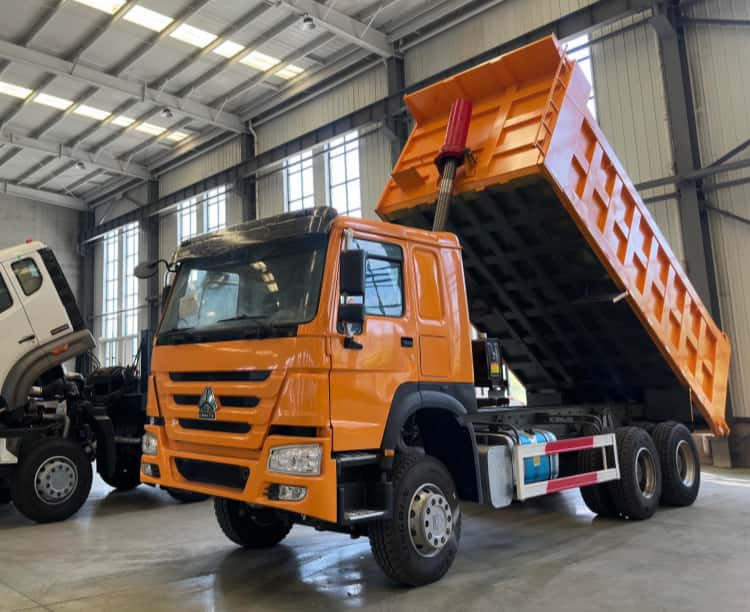
Cheap refurbished trucks follows a simple logic: fix only parts that are visibly broken at the time of sale. Technicians replace blown gaskets, seized belts or leaking oil seals to get the truck running, but they do not disassemble adjacent assemblies for component grading.
Worn gear teeth, out-of-tolerance journals, pitted bearing races and fatigued fasteners remain in place as long as they still function during a quick workshop test. These degraded components continue accumulating damage in service. They may pass a short static test, yet fail abruptly under sustained heavy load. In genuine reman, every component is measured and tested; marginal parts are rejected before assembly. Refurb skips this sorting step.
No independent bench validation for powertrain, brake and hydraulic systems
Cheap refurbished trucks typically only undergo a brief static startup and test drive around the yard. There is no off-bench calibration of injectors, turbochargers, brake valves, steering pumps or transmission assemblies. Out-of-spec fuel injection, inconsistent brake pressure response and drifting hydraulic relief settings are left uncorrected.
These defects do not always show up in short light-load testing. They emerge under continuous heavy-duty operation: long hauling, frequent stop-start cycles and high ambient temperature. Brake fade, power loss, sudden hydraulic failure and overheating are common unexpected breakdown triggers for low-cost refurbished fleets.
Mixed unqualified aftermarket parts break original design tolerances
To keep prices low, refurb suppliers often use generic, low-spec aftermarket replacements instead of OEM-matched components. Non-conforming bearings, seals, fasteners and friction parts may fit physically, yet they do not meet the original design hardness, heat resistance or fatigue rating.
Mismatched parts disrupt the engineered balance of load distribution, clearances and heat dissipation. A cheap replacement bearing may wear out in a fraction of the expected service interval, and its premature failure can cascade, damaging adjacent expensive components such as crankshafts or axle gears. A single low-grade part can turn a minor fault into a catastrophic, costly breakdown.
Prior unapproved modifications remain undetected
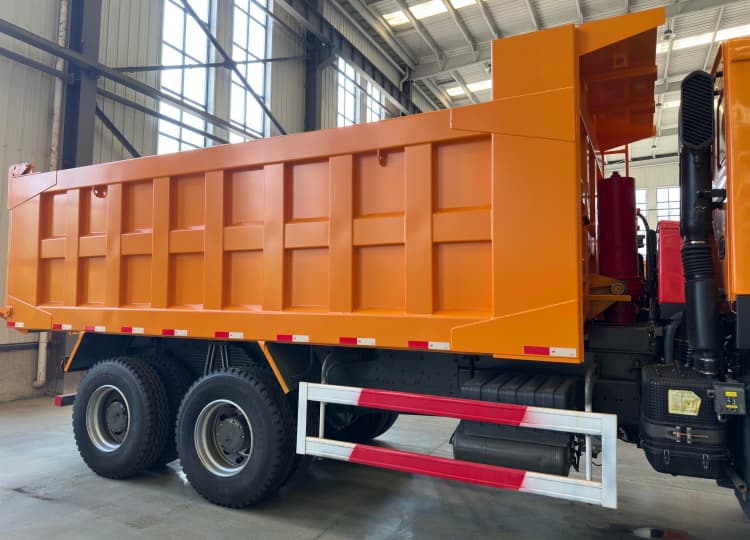
Many second-hand heavy trucks have field modifications: extra frame drilling, custom bracket welding, suspension alterations or ECU tuning for higher power. Cheap refurb operations rarely trace or reverse these changes, as full structural review takes time and money.
These modifications create hidden stress concentration points and rewrite the original OEM fatigue calculation. The truck can run fine for a period, until cyclic loading initiates cracking at modified zones. The failure is sudden and difficult to diagnose, because the root cause sits in historical changes rather than normal operational wear. REMAN ROAD genuine reman mandates reversal of non-compliant modifications before release.
No fatigue budget assessment — service life cannot be reliably forecast
Genuine reman uses inspection data to estimate residual fatigue capacity and set realistic service expectations. Cheap refurb makes no such assessment. The supplier cannot tell how many heavy-load cycles the core has already endured.
Two trucks that look identical may have vastly different remaining usable life. One could be lightly used; another may have spent years in overloaded off-road work. Buying cheap refurbished assets means the fleet loses the ability to plan maintenance schedules accurately. Breakdowns cannot be scheduled during planned downtime, leading to disruptive emergency repairs.
Limited or no warranty, and narrow liability scope
Cheap refurbished trucks usually carry short, restrictive warranties that only cover major immediate failures, not cascading secondary damage. If a bearing failure ruins an entire engine, the warranty may only cover the cheap bearing itself, not the labour and collateral damage.
When unexpected breakdowns occur on-site at remote project sites, fleets face extra costs: recovery, emergency rental replacements, late delivery penalties and overtime service fees. The low purchase price is quickly erased by unplanned operational expenses, pushing up the real TCO far above certified reman alternatives.
Confusion between “running condition” and “stable operating baseline”
Refurb vendors sell trucks on one simple metric: it starts and drives. Genuine reman validates to a defined performance baseline equivalent to new parts. A truck that merely runs can harbour dozens of marginal defects waiting to fail.
This is the core difference: refurbished trucks are made to pass a sales test; genuine reman trucks are engineered to survive a full planned service cycle. The cheap option transfers nearly all future failure risk directly to the fleet buyer.
Closing
Cheap refurbished trucks create unexpected breakdown risks because they address appearance and immediate operability while ignoring structural integrity, latent fatigue, subsystem calibration and component grading. Paint, new tyres and quick fixes hide critical degradation that reveals itself unpredictably under heavy-duty load.
For fleet operators, the apparent upfront saving is a risk trade-off. Under REMAN ROAD benchmarks, genuine reman eliminates these hidden failure points through gated inspection, NDT, bench testing and full traceability. It delivers predictable service life and controlled downtime — the critical advantage that low-cost refurbishment cannot match.