Case Study: Fleet Loss Caused By Purchasing Refurbished Dump Trucks
Introduction
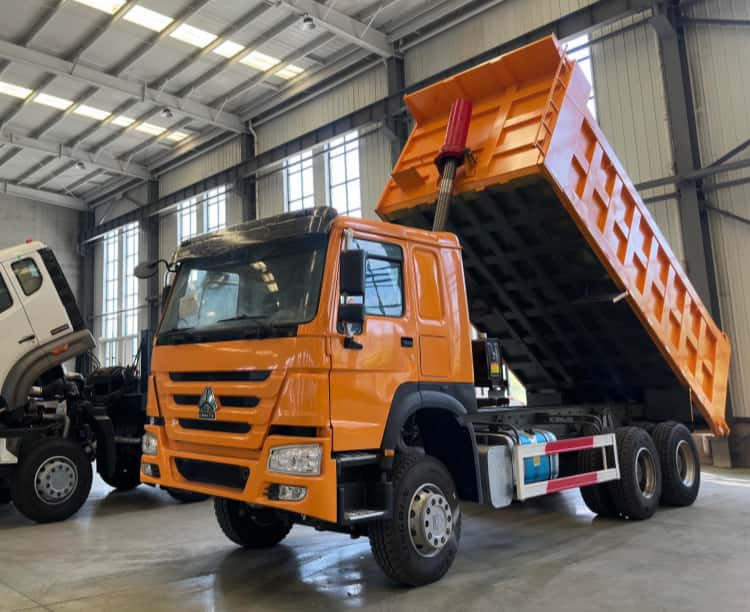
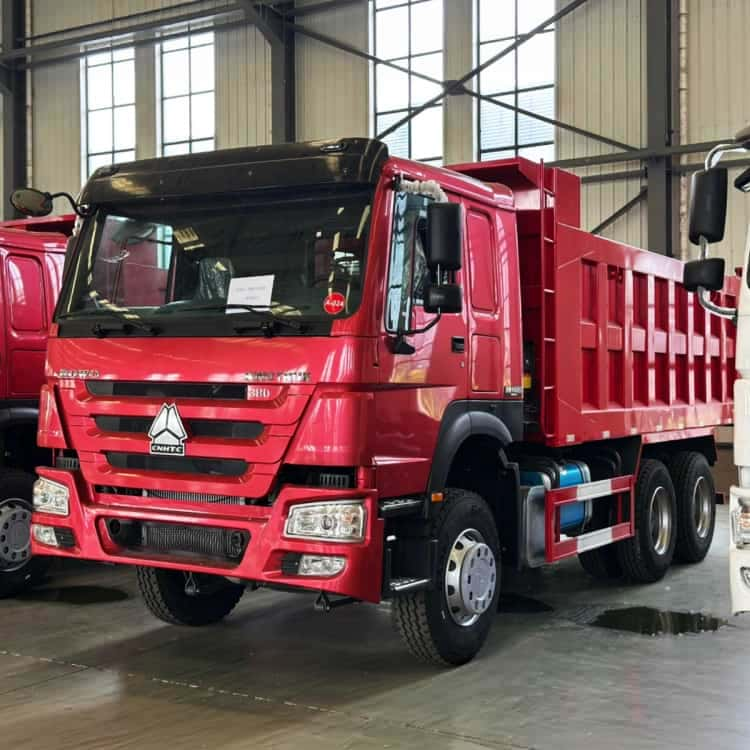
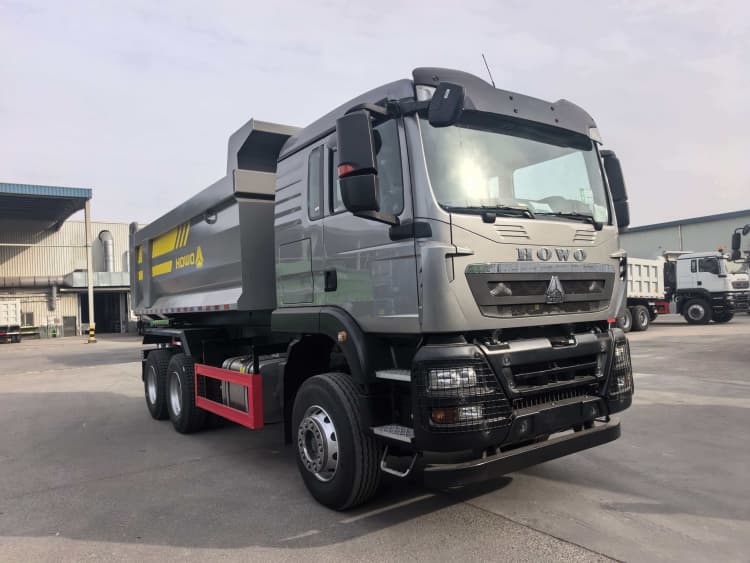
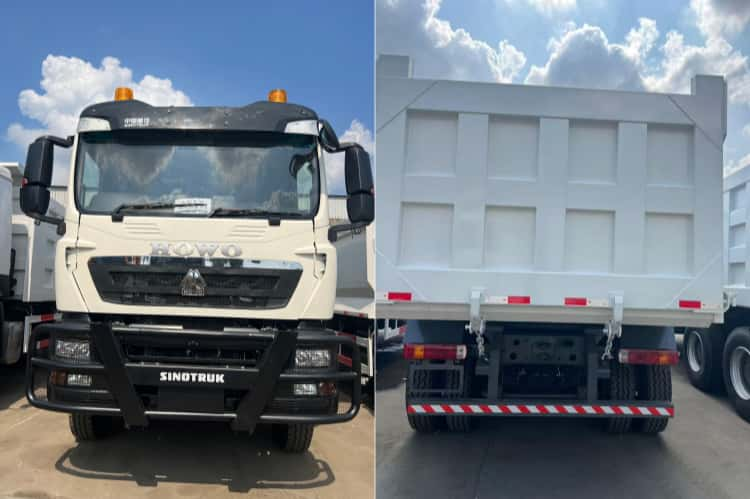
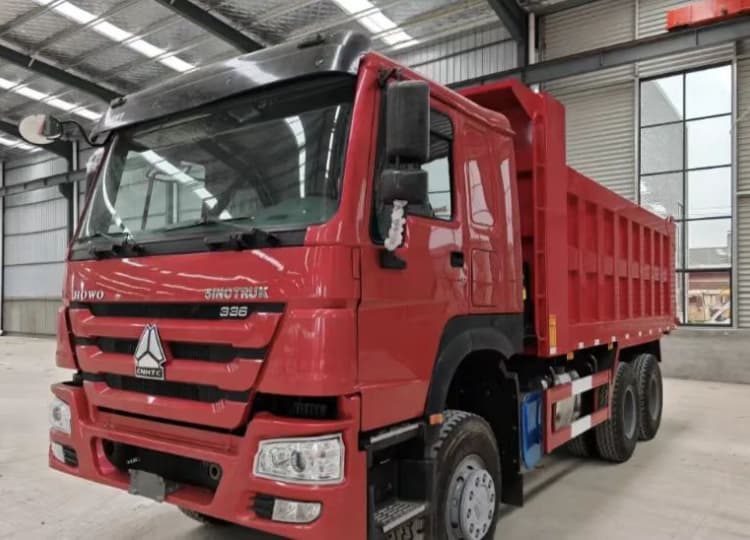
A mid-sized construction and earthwork fleet based in Central Asia secured a 12-month road grading and quarry hauling contract. Constrained by tight capital, the procurement team opted for eight 6×4 dump trucks marketed as “remanufactured” at roughly 40% below the price of certified reman units. Visually, the trucks appeared excellent: fresh paint, new tyres, reconditioned cabins and a 12-month written warranty for major assemblies. The supplier stated the units were fully rebuilt. Within three months, the fleet faced cascading failures, unplanned downtime and contractual penalties. Post-failure audit confirmed the trucks were only cosmetically refurbished, never processed under formal reman standards.
Background of the purchase
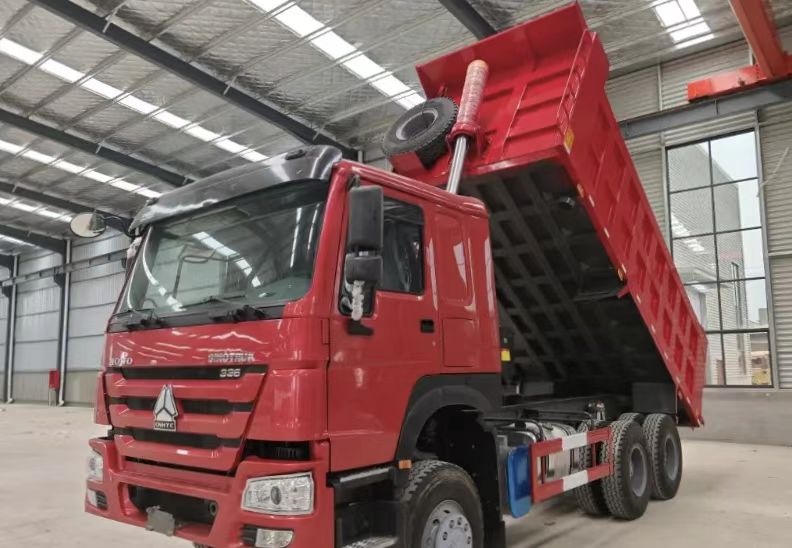
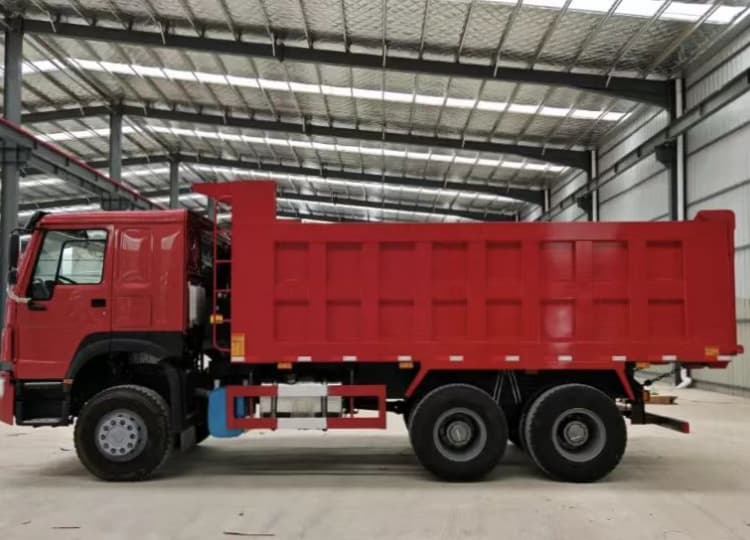
The fleet’s core work involved hauling rock, gravel and excavated soil on rough, uneven site roads with frequent full loading cycles. Dump trucks in this duty cycle place continuous bending, torsional and shock load on frames, suspension mounts, hydraulic tipping cylinders and drivetrains. The supplier performed only partial overhaul: leaking engine gaskets were replaced, cabin interiors cleaned, bodies sandblasted and painted, and worn tyres swapped out. No full disassembly, no NDT frame inspection, no bench testing for hydraulic or brake subsystems, and no component grading was completed. Sales materials labelled them remanufactured, while the fine print only covered parts failure from factory defect and excluded overload, rough terrain and collateral damage. The buyer did not arrange independent third-party pre-purchase audit.
Timeline of failures
Month 1: Minor recurring faults
The first warning signs were dismissed as normal teething issues. Four trucks showed slow hydraulic tipping response, brake pressure drift and oil seepage at axle housings. The supplier sent a local technician to top up fluid and adjust valves, with no disassembly or calibration. No root-cause inspection was performed. The fleet kept the trucks rotating on site to meet haul quotas.
Month 2: Drivetrain and suspension failures
Two trucks suffered sudden bearing seizure in rear axles. The failed bearing destroyed gear sets inside the axle housing. The supplier replaced only the failed bearing under warranty and denied coverage for damaged gears, citing “overload during operation”. Around the same time, cracked leaf spring brackets and loose suspension mounting points emerged on three units. These brackets had prior fatigue cracks ground smooth and painted over during refurbishment.
Month 3: Catastrophic frame cracking
The most severe failure occurred on a truck returning from the quarry with a full rock load. A main frame rail cracked at the fifth-wheel transition zone, forcing an emergency stop. A subsequent full inspection by an independent heavy-vehicle engineer uncovered the core issue: all eight frames carried varying degrees of hidden damage. Some had prior collision twist, others had corrosion thinning inside closed frame cavities, and several had unapproved field weld repairs hidden under paint. None of these high-stress zones had been scanned with MPI or UT before sale. Within two weeks, three more trucks were taken offline with visible frame cracks. Half the fleet was no longer safe to operate.
Breakdown of financial and operational losses
- Direct repair and recovery cost Emergency field recovery, freight to repair yards, replacement axles, suspension parts and hydraulic components consumed budget. The supplier rejected most large claims, invoking warranty exclusions for harsh site conditions.
- Downtime and rental expense With the contract requiring fixed daily haul volumes, the fleet rented replacement dump trucks at premium short-term rates. At peak disruption, five out of eight purchased units were immobilised simultaneously. Planned maintenance schedules collapsed, and technicians spent all time on emergency breakdown fixes.
- Contract penalties and lost margin The project owner applied delay penalties for missed haul targets. The fleet lost bonus payments for on-time delivery and damaged its reputation for future tender opportunities. In earthmoving and quarry work, schedule reliability carries equal weight to purchase price.
- Safety risk and insurance complications The frame fracture created serious crash risk. Once the insurer learned the units were cosmetic refurb misrepresented as remanufactured, they flagged coverage restrictions for structural failure incidents.
- Hidden TCO escalation The low upfront purchase price was the original appeal. When adding emergency repairs, rental fees, penalties and wasted labour, the total cost of these eight refurbished dump trucks quickly exceeded what certified reman units would have cost over the same period.
Root cause audit findings
The independent audit contrasted the refurb workflow against REMAN ROAD reman benchmarks and identified these critical shortcuts:
- No full disassembly. Frame, axle housings and load-carrying brackets remained uninspected.
- No NDT or ultrasonic thickness testing for frame rails. Defects were concealed by grinding and paint.
- No bench validation of hydraulic tipping systems, brake circuits or powertrain assemblies.
- Mixed low-grade aftermarket bearings, seals and fasteners used to cut component cost.
- Prior non-compliant welding and bracket modifications left in place, acting as stress risers.
- Warranty language contained broad exclusions, designed to limit liability once latent defects surfaced under heavy cyclic load.
- No VIN-linked digital dossier, inspection logs or rework records. There was no auditable proof of structural reset.
Corrective actions taken by the fleet
The fleet stopped using all eight trucks for high-load quarry work. Two units with mild, repairable defects were reworked by a certified reman workshop under formal inspection gates; the remaining six were decommissioned and sold for scrap or low-value component harvesting. For future procurement, the fleet added mandatory pre-purchase third-party structural audits, requiring NDT frame reports and bench test records before payment release. They also adopted a rule: any truck marketed as reman must carry traceable documentation matching a recognised reman benchmark, not just a sales warranty.
Key lessons for fleet procurement
This case illustrates a core truth: cosmetic refurbished dump trucks can look identical to certified reman at the point of delivery, but latent structural defects only reveal themselves under sustained heavy cyclic loading. Dump trucks, more than many other heavy vehicles, punish this shortcut because every load applies repeated stress to frame, suspension and tipping structures.
Low-price refurbished dump trucks sold as reman often transfer all latent failure risk to the buyer. A warranty that sounds generous on the surface may exclude the very failures that define structural reman integrity. Visual inspection and short yard test drives cannot detect subsurface fatigue, corrosion thinning and unapproved weld repairs.
Under REMAN ROAD standards, this fleet loss would have been avoided. Core eligibility screening, mandatory frame NDT, full component grading, subsystem bench validation and traceable documentation act as gates to stop damaged cores entering the certified reman supply chain. Certified reman is not about appearance; it is about predictable, auditable lifecycle reset for high-duty cycles such as quarry and earthwork hauling.
Closing
For fleets tendering on fixed-volume earthmoving, quarry and infrastructure projects, the lowest upfront capital option can become the most expensive decision. This dump truck fleet case demonstrates that mislabelled refurbished assets do not merely create maintenance headaches — they can trigger simultaneous fleet-wide disruption, contractual penalties and safety hazards. The difference between certified reman and risky refurbished dump trucks is not the paint finish, but the engineering inspection gates completed before the truck leaves the supplier’s workshop.