The Difference Between Surface Painting And Standardized Remanufacturing
Introduction
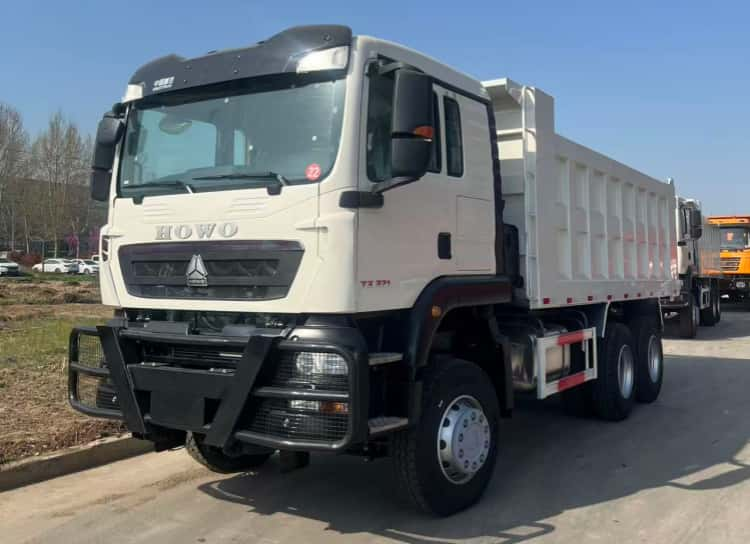
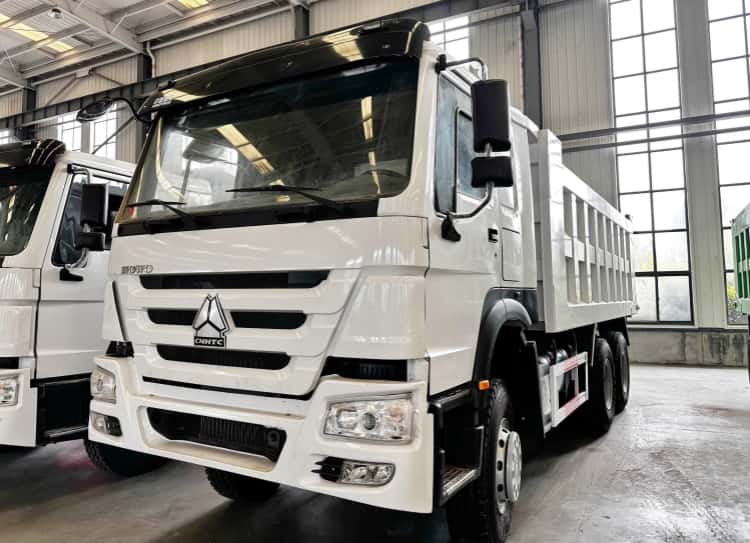
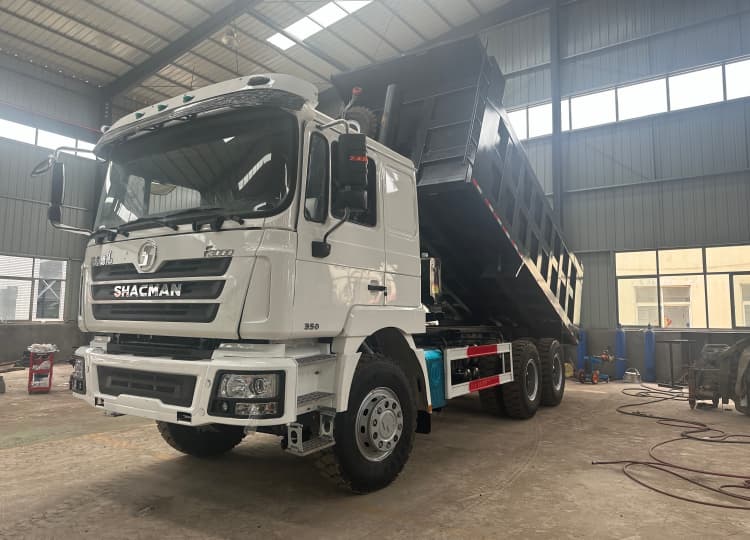
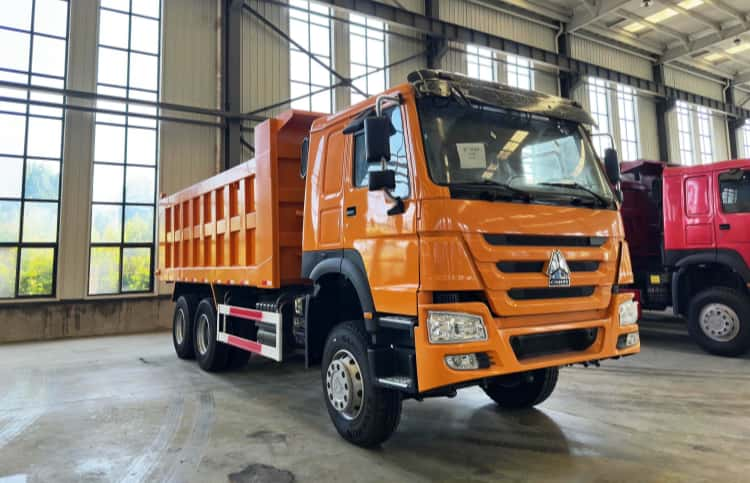
In the heavy truck market, many used vehicles receive fresh paint and are marketed as “remanufactured” or “rebuilt”. This creates widespread confusion for fleet purchasers, tender managers and cross-border buyers. Surface painting only changes outward appearance, with no assessment of hidden structural integrity, wear or residual fatigue.
Standardized remanufacturing, by contrast, is a systematic, gated engineering workflow designed to reset the asset’s functional and safety performance to a defined baseline. A coat of paint cannot fix internal wear, material defects or accumulated fatigue damage.
Core Purpose: Aesthetic upgrade vs lifecycle performance reset
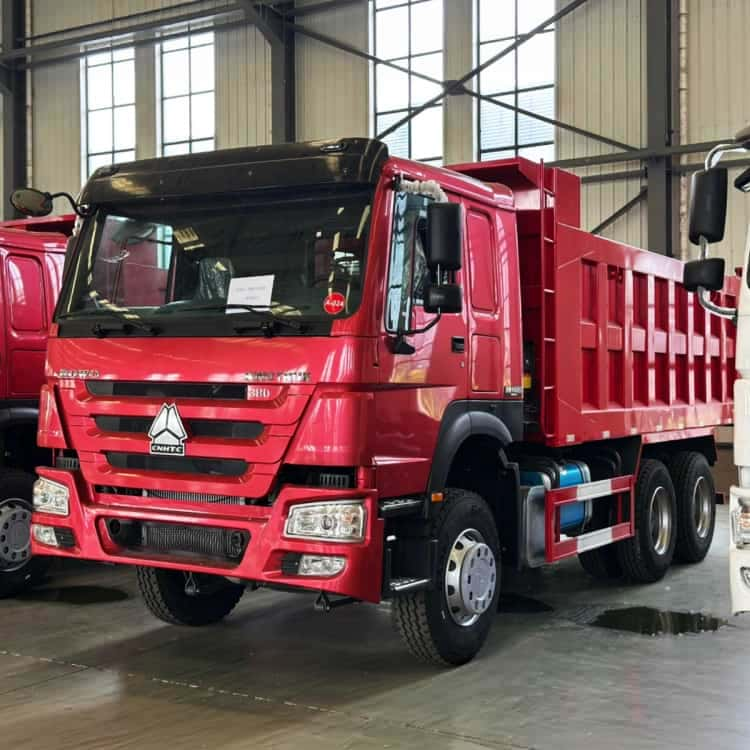
Surface painting exists for visual improvement. It covers rust spots, scratches, faded coatings and cosmetic blemishes. Its goal is to make the truck look newer for sale, with no requirement to address underlying mechanical or structural conditions. The fundamental service life and risk profile of the vehicle remain unchanged.
Standardized remanufacturing’s purpose is engineering reset. It targets the root causes of performance degradation: dimensional wear, material fatigue, loose clearances, degraded seals and hidden subsurface flaws. The objective is to restore the asset to new-equivalent performance and safety standards for another full service cycle, following OEM design intent and REMAN ROAD benchmarks. Cosmetic finishing, including painting, is only an optional final step, never the core of the process.
Scope of work: Outer coating only vs full component teardown and inspection
Surface painting is a surface-level process. It may include simple cleaning, sanding, rust sealing and topcoat application. The chassis frame, axles, engine internals, steering assemblies and load-bearing welds stay fully assembled and unexamined. No disassembly, no component sorting, no internal inspection is required.
Standardized remanufacturing starts with complete disassembly down to individual components. Every part is separated, thoroughly cleaned, tagged against the VIN, measured and graded. Structural frame rails, crankshafts, axle housings and steering knuckles all go through dimensional metrology and non-destructive testing. Parts are sorted into recoverable, reworkable or scrap. Defective and fatigued components are rejected before reassembly. Painting happens only after all engineering validation is complete.
Defect handling: Concealment vs elimination
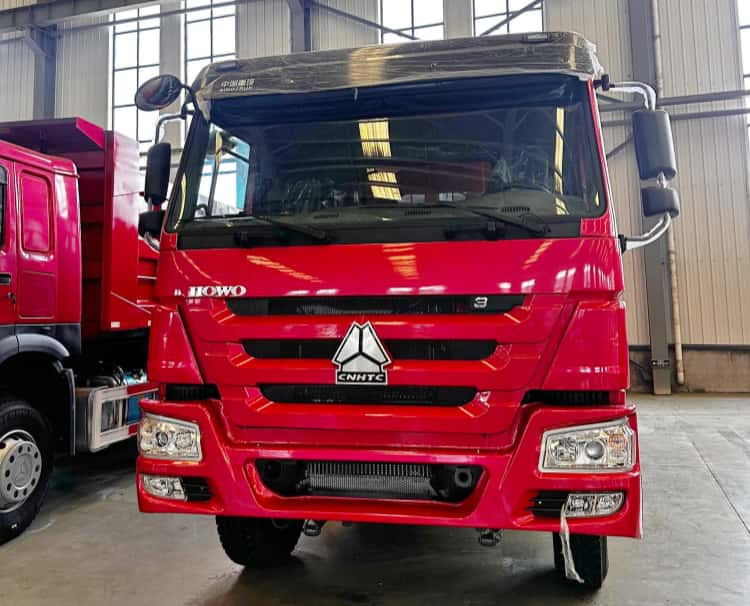
Paint conceals defects. Light surface rust, small pits, minor leakage stains and surface cracks can be covered by primer and paint. These hidden issues continue to grow under the coating and may lead to sudden failure during operation. Painting does not remove or repair the underlying damage.
Standardized remanufacturingidentifies and eliminates eligible defects. Wear surfaces are machined back to OEM tolerances; propagating cracks, excessive corrosion and plastic deformation trigger component rejection. Repairable faults are fixed under approved rework procedures, and sacrificial consumables such as bearings, seals and friction parts are replaced by default. Any damage that crosses the irreversible engineering boundary results in scrapping, rather than concealment.
Performance verification: No functional testing vs bench and road validation
Vehicles that only receive surface painting undergo no independent performance testing. There is no requirement to check power output, brake balance, hydraulic pressure retention or steering response. The truck may run, but its internal clearances, backlash and fatigue reserve remain unproven.
Standardized remanufacturing mandates subsystem bench testing before chassis integration. Powertrain, brake, steering and hydraulic modules are validated against new-part performance envelopes. After full reassembly, functional checks and supervised road tests confirm integrated dynamic behaviour. Without passing these performance gates, the asset cannot be certified as remanufactured. Paint has no role in this validation chain.
Traceability and documentation: No audit trail vs full lifecycle dossier
A simple paint job leaves no formal engineering records. There is no inspection report, no NDT log, no dimensional data and no component replacement list. Buyers rely only on visual appearance, with no proof of structural health.
Standardized remanufacturing generates a complete VIN-linked digital dossier. It includes core intake assessment, inspection records, NDT results, rework approvals, bench test data and final release conformity statements. This documentation supports fleet asset management, ESG reporting and green tender compliance. Cosmetic finishing records, if kept, are separate and secondary.
Impact on residual value and risk
Painting can raise superficial market appeal but does not reduce operational risk. Hidden mechanical and structural flaws stay in place. Such units often suffer early breakdowns, higher maintenance costs and poor residual value once buyers discover the lack of internal restoration.
Proper industrial reman reduces long-term operational risk. It resets wear and eliminates latent defects, with defined warranty boundaries and proven performance. Even if the vehicle’s paint finish is plain, its auditable engineering status delivers stable TCO and reliable residual value for fleet operators.
Critical boundary: Painting can be part of reman, but painting is never reman
It is important to clarify this distinction: standardized reman trucks may receive paint as a final protective finish. Anti-corrosion coating improves durability of restored components. But painting is a secondary finishing step, not the substance of standardized remanufacturing.
When a seller markets a painted used truck as remanufactured without full teardown, inspection and performance validation, it constitutes misrepresentation and greenwashing. It confuses cosmetic refresh with genuine asset reset.
Closing
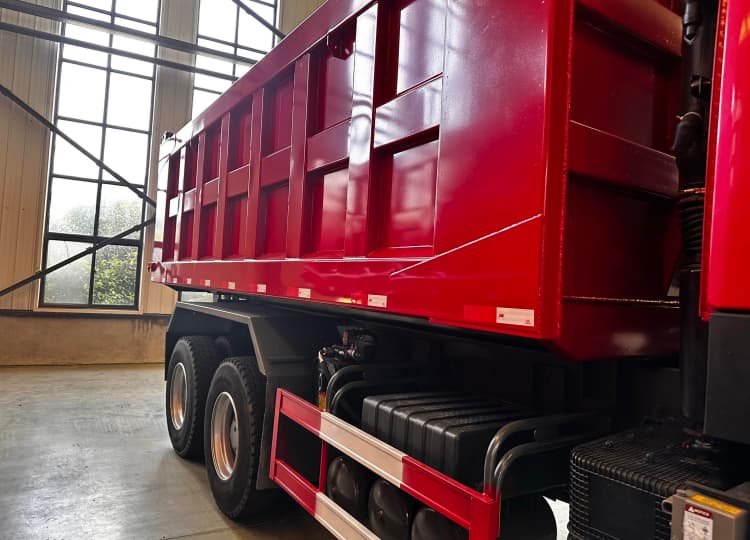
Surface painting is a cosmetic coating process that changes only how a truck looks. Standardized remanufacturing is a rigorous, inspection-driven engineering process that changes how a truck performs and how safely it operates over its next lifecycle.
Under REMAN ROAD benchmark, appearance is never used as evidence of standardized remanufacturing quality. The proof lies in disassembly records, material integrity checks, dimensional restoration and validated performance benchmarks. For fleet buyers, recognising this difference is the first defence against low-quality cosmetic rebuilds mislabelled as standardized reman trucks.