How Certified Reman Truck Simplify Annual Fleet Budget Forecasting?
Introduction
Fleet finance and procurement teams struggle most with budget forecasting when cost items are unpredictable. Ordinary used trucks introduce dozens of moving unknowns: hidden structural failures, surprise drivetrain damage, vague warranty coverage and erratic downtime expenses. New trucks carry high upfront capital outlay and heavy initial depreciation.
Certified reman truck built to a fixed standard compress these variables into measurable, auditable inputs. They do not eliminate all fleet spending, but they turn volatile emergency costs into planned, scheduled expenditures, making annual budget creation far more reliable.
Predictable depreciation schedule removes guesswork
Budgeting requires consistent depreciation assumptions. As covered in the depreciation curve analysis, certified reman truck follow a smooth, linear depreciation path across their validated service cycle. Their value decline is tied to remaining certified lifecycle and documented mileage, not random breakdown shocks.
Unlike ordinary used trucks, where one major frame or axle failure can slash residual value overnight, reman depreciation can be pre-set in the budget model for the full holding period. Finance teams do not need to build large contingency buffers for sudden asset write-downs. This stabilises balance sheet planning and annual P&L projections.
Fake refurbished or mislabeled reman truck cannot offer this benefit. Their depreciation profile remains the same as risky used trucks, with unplanned value drops that blow forecasts apart mid-year.
Maintenance spend shifts from emergency repairs to scheduled service
The biggest budget headache for fleets running unvetted used trucks is reactive repair spend. Failures strike randomly: seized bearings, hydraulic faults, hidden frame cracks and cascading drivetrain damage. These costs are nearly impossible to forecast accurately, forcing finance teams to add large, vague contingency funds that often go unused or prove insufficient.
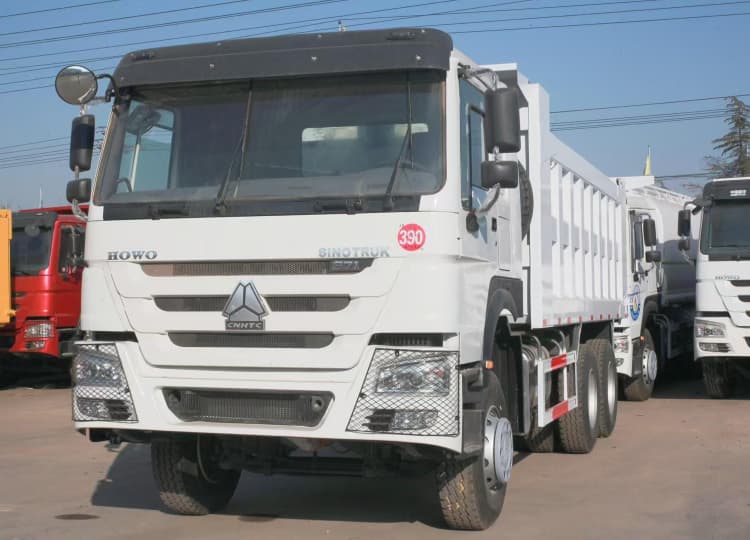
Under REMAN ROAD standards, every certified reman truck has a component grading record, bench test history and defined wear-consumption timeline. Technicians know which assemblies have been reset to OEM tolerances and which consumable parts will require replacement at known service intervals.
Maintenance budgeting becomes a list of planned items: filters, lubricants, brake linings, seals and scheduled component inspections. Emergency repair budgets shrink to a small, fixed percentage, rather than a large unknown reserve. Budget owners can allocate funds with confidence instead of constant revision requests.
Downtime cost can be quantified and capped
Unplanned downtime is one of the hardest line items to forecast for fleets. With used trucks, breakdown frequency, repair duration and cascading losses are highly variable. One bad batch of used dump trucks can trigger overlapping failures, emergency rental fees and contract penalties that far exceed the original budget.
Certified reman trucks have validated MTBF (mean time between failures) and MTTR (mean time to repair) data from the reman benchmark. Fleet planners can calculate expected annual downtime loss using fixed, historical KPIs: how many breakdown events, average outage days and per-day downtime cost.
This allows two practical improvements to forecasting:
- Downtime-related losses are modelled as a controlled, predictable annual expense
- The contingency budget for emergency truck rental and recovery can be set at a lower, realistic level
Budget revisions caused by sudden project delays and penalty charges become much less frequent.
Clear warranty boundaries eliminate hidden claim disputes
Ambiguous warranty fine print is a silent budget risk. With non-standard fake reman or refurbished trucks, suppliers often deny claims for cascading damage, structural failures and site-related wear. When a major assembly fails, the fleet is forced to absorb the full repair cost unexpectedly.
REMAM ROAD certified reman truck comes with a fixed, documented warranty scope attached to the VIN digital dossier. Covered assemblies, excluded items, liability for secondary damage and claim procedures are defined upfront.
Finance teams know exactly which failure costs fall to the supplier and which the fleet must cover. There is no last-minute surprise of a five-figure repair bill that was incorrectly assumed to be under warranty. This removes a major budget variable.

Spare parts planning and lead times are standardised
Used fleets often deal with mixed, mismatched components. When a truck breaks down, maintenance teams may struggle to source compatible spare parts, leading to expensive expedited shipping or custom components at premium pricing. These rush charges are difficult to budget.
Certified remanufacturing follows OEM specifications during restoration. The bill of replaced and retained components is recorded for each truck. The fleet can build a standardised spare parts inventory and pre-negotiate pricing for common consumables. Parts lead times are known, so planners avoid unbudgeted premium freight costs.
Capital expenditure planning becomes modular and staggered
New trucks require large lump-sum CAPEX payments that create sharp spikes in annual capital budgets. Many small and mid-sized haulage and construction fleets cannot absorb multiple new-truck purchases in a single fiscal year.
Certified reman truck sits in the middle: lower CAPEX than new trucks, with predictable operating costs that do not carry the risk premium of used trucks. Fleet managers can stagger asset replacement across multiple budget cycles, replacing a fixed number of reman units each year.
Instead of volatile, all-or-nothing capital outlays, the fleet builds a steady asset rotation plan that fits within annual approved budget limits. Cash flow forecasting is far simpler.
Easier benchmarking and variance analysis at year-end
Good budget management relies on comparing forecast vs actual spend and explaining variances. For fleets running used trucks, year-end variance analysis is messy: overspend can come from a random frame crack, a seized transmission or a disputed warranty claim. Root causes are hard to categorise, and it is difficult to refine the next year’s forecast.
With certified reman truck, variances are limited to predictable factors: higher fuel prices, heavier duty cycles or inflation on service parts. Major, unexplained negative variances from hidden asset defects are largely eliminated. The finance team can build more accurate forecasting models year over year.
Practical budget planning example contrast
A quarry fleet preparing its annual budget for 10 dump trucks:
- Ordinary used fleet: Requires a huge contingency reserve (often 25–40% of the maintenance budget) for unplanned breakdowns, downtime and warranty denials. Forecasts need frequent mid-year adjustments.
- Certified reman fleet: Maintenance and downtime costs are modelled from proven KPIs. Contingency can drop to 5–10%. The forecast is stable and rarely needs emergency budget reallocation.
Key caveat
This forecasting advantage only applies to reman that meets a formal, auditable benchmark. Cosmetic refurbishment, partial overhaul and mislabeled fake reman do not deliver these benefits. They retain all the cost volatility of ordinary used trucks, even if the sales price is similar to certified remanufacturing.

Closing
Certified reman trucks simplify annual fleet budget forecasting by converting unpredictable risks into measurable, auditable line items. Stable depreciation, scheduled maintenance instead of crisis repairs, quantifiable downtime exposure, transparent warranty terms and standardised spare parts planning all reduce forecast uncertainty.
For fleet managers submitting budgets to leadership or tendering fixed-price infrastructure contracts, this predictability is just as valuable as direct cost savings. It reduces the need for large contingency buffers, minimises mid-year budget amendments and creates reliable historical data to refine future financial plans.