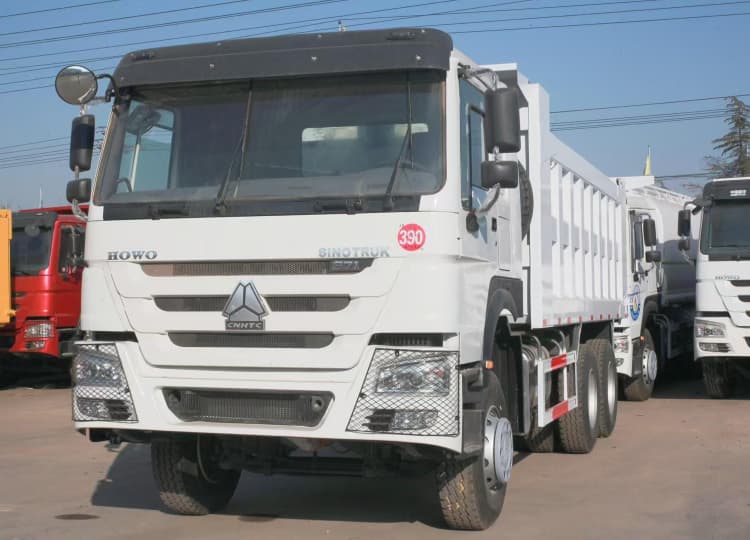
Fleet Downtime Cost Calculation: Heavy Reman Trucks vs Used Heavy Trucks
Introduction
When fleet managers compare asset purchases, most focus only on upfront buying price. But for heavy-duty fleets, downtime cost is often the largest hidden expense. A truck stopped on-site means lost haul volume, waiting operators, idle loading equipment, emergency rental fees and contract penalties. Certified heavy reman trucks follow structured inspection, component grading and bench testing workflows, which lower the frequency of unplanned breakdowns.
Ordinary used trucks — even those that run well at delivery — carry accumulated latent wear and uninspected structural risks that lead to unpredictable downtime. This article lays out a practical downtime cost formula, applies it side‑by‑side, and explains the gap between the two asset types under REMAN ROAD benchmark standards.
Core formula for total downtime cost
Total downtime cost is not limited to repair parts and labour. It combines direct and indirect losses:
Total Downtime Cost per Event = Repair & Recovery Cost + Lost Revenue from Missed Haulage + Equipment Idling Cost + Operator Standing Cost + Emergency Rental Cost + Contract Penalty & Admin Cost
Not all downtime is equal. Planned maintenance downtime is predictable and can be scheduled between jobs, so it has minimal penalty. The costly category is unplanned downtime — sudden failures such as frame cracks, axle seizure, hydraulic failure or engine breakdown. This is where used trucks and certified certified heavy reman trucks diverge sharply.
Key assumptions for side‑by‑side fleet comparison
We use a typical Central Asian / African quarry haul fleet profile for consistent calculation logic:
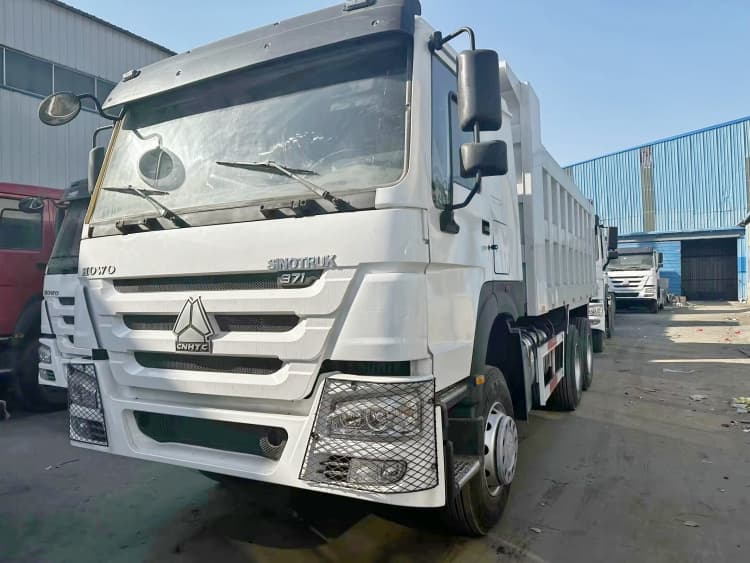
- Vehicle type: 6×4 heavy dump truck, daily target haul cycles: 12 trips
- Revenue per completed load: fixed project margin per tonne delivered
- Planned downtime: scheduled service, predictable, low penalty
- Unplanned downtime: breakdowns that stop the truck mid-job
- Certified heavy reman trucks: lower unplanned failure frequency, shorter repair turnaround, documented parts availability and clear warranty coverage
- Ordinary used truck: higher latent defect risk, failure occurs randomly, repairs often require troubleshooting; warranty coverage is limited or full of exclusions
Baseline comparison profile (annual unplanned outage metrics)
- Certified heavy reman trucks
- Average unplanned breakdown frequency: 1–2 events per year
- Average duration per unplanned event: 1.5 days
- Root causes: mostly normal wear of consumables (seals, filters, brake linings)
- Ordinary used heavy truck (non-reman, no full inspection/NDT)
- Average unplanned breakdown frequency: 4–7 events per year
- Average duration per unplanned event: 3–4 days
- Root causes: hidden fatigue, out-of-tolerance drivetrain components, degraded hydraulics, corrosion and undocumented prior damage; diagnosis often takes extra time
Breakdown of each cost component
Recovery and direct repair cost
When a truck fails remotely, recovery truck hire, transport to workshop, diagnostic labour and spare parts add up.
- Certified heavy reman trucks: failure modes are predictable, component traceability records exist, approved spare parts list is clear. Less diagnostic guesswork. Many failures fall under warranty coverage.
- Used trucks: the root fault is often unknown until full teardown. One failure can trigger cascading secondary damage. Parts may be obsolete or mismatched; suppliers commonly deny claims if a limited warranty exists.
Lost haulage revenue
This is usually the single biggest component. If the fleet is bound to a fixed-volume earthworks or quarry contract, every missed load reduces project margin. Example logic: If one dump truck completes 12 loads per day and each load contributes defined gross margin, every day offline directly subtracts that value.
Lost revenue = Number of missed loads × Margin per load
For used trucks, longer outage duration and more frequent breakdowns multiply this loss.
Idling support equipment and standing labour cost
Haul fleets operate as a system. A broken dump truck may leave excavators, wheel loaders and waiting drivers idle. Labour, loader hire and site overhead continue accruing even when one truck cannot run.
- Reman fleet: breakdowns are rare, so site workflow disruption is limited. Operators can be reassigned to other available trucks.
- Used truck fleet: multiple trucks breaking down at overlapping times creates cascading site bottlenecks.
Emergency replacement rental cost
To avoid missing contractual volume targets, fleets commonly rent substitute heavy trucks at premium short‑term rates. Rental rates for heavy dump trucks are substantially higher than the amortised ownership cost of owned assets. With certified heavy reman trucks, emergency rental events are far less frequent.
Contract penalties and reputational cost
Fixed-term infrastructure and mining contracts include liquidated damages for missed delivery volumes. Beyond direct penalties, repeated delays reduce the fleet’s competitiveness in future tender bidding. This reputational cost is harder to quantify but material for B2B haulage operators.
Numerical illustration (conceptual calculation)
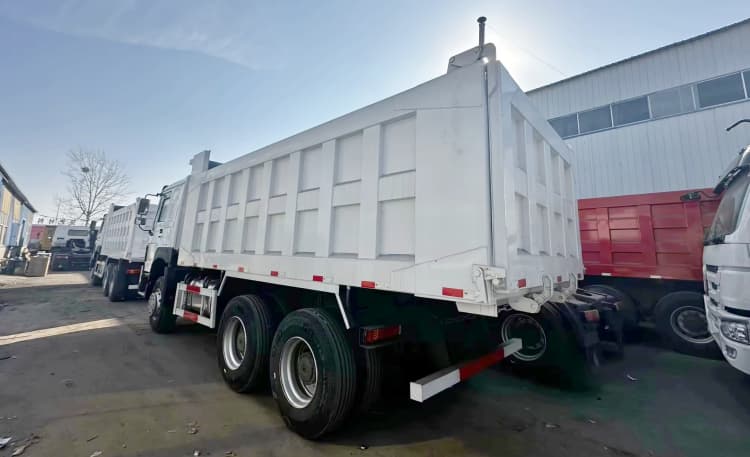
Sample per-day downtime loss for a dump truck on quarry duty: $850 / day (combining lost margin, idle labour and overhead)
- Certified heavy reman trucks: 2 unplanned events × 1.5 days = 3 downtime days/year Annual unplanned downtime loss ≈ 3 × 850 = $2,550
- Ordinary used truck: 5 unplanned events × 3.5 days = 17.5 downtime days/year Annual unplanned downtime loss ≈ 17.5 × 850 = $14,875
Even if the used truck saves $10,000 on upfront purchase, the cumulative downtime loss can erase that saving within 12–24 months. This is the core TCO lesson many procurement teams overlook.
Additional factors that widen the gap
Failure clustering risk
Used trucks purchased in batches often share similar hidden defects. A fleet of 8 used dump trucks can experience overlapping breakdowns, multiplying disruption. Certified heavy reman trucks pass consistent engineering gates, so failure patterns are distributed and predictable.
Repair quality and re-failure risk
A temporary patch on a used truck may return to failure within weeks, creating repeated downtime for the same fault. Under REMAN ROAD standards, reman repairs reset components to OEM tolerances, with bench validation, lowering repeat-failure risk.
Maintenance planning efficiency
Certified heavy reman trucks come with a digital VIN dossier showing component condition and expected service intervals. Maintenance teams can schedule replacement before failure. Used trucks lack baseline data; maintenance becomes reactive firefighting.
How to build this calculation into your procurement tender checklist?
When comparing quotes, require vendors to supply inputs for the downtime model:
- Published expected unplanned failure rate for the asset type
- Mean time to repair (MTTR)
- Warranty coverage scope and exclusions for cascading damage
- Spare part lead time and regional service support
- Full inspection records (NDT, frame geometry, bench test logs)
Without these data points, a low purchase price is an incomplete comparison.
Common pitfalls in downtime calculation
Many fleets make the mistake of counting only parts and labour, ignoring lost production. Others count planned maintenance as downtime, which should be separated out. Also, downtime calculation must account for duty cycle: dump trucks and mixer trucks face far higher cyclic load than highway tractors, so their downtime penalty is larger.
Closing
Downtime cost calculation reveals why certified heavy reman trucks often deliver superior economics, even with higher upfront pricing than ordinary used trucks. Used heavy trucks carry cheaper acquisition costs but expose fleets to frequent, long, unpredictable unplanned outages, with compounding losses from missed haulage, idle equipment, emergency rental and contract penalties.
Certified reman under REMAN ROAD benchmarks does not eliminate downtime entirely, but it shifts most downtime from emergency breakdowns to scheduled, controllable maintenance. For fleet operators bidding fixed-volume infrastructure and quarry contracts, the true comparison metric is not purchase price — it is total cost including quantified unplanned downtime over the asset lifecycle.