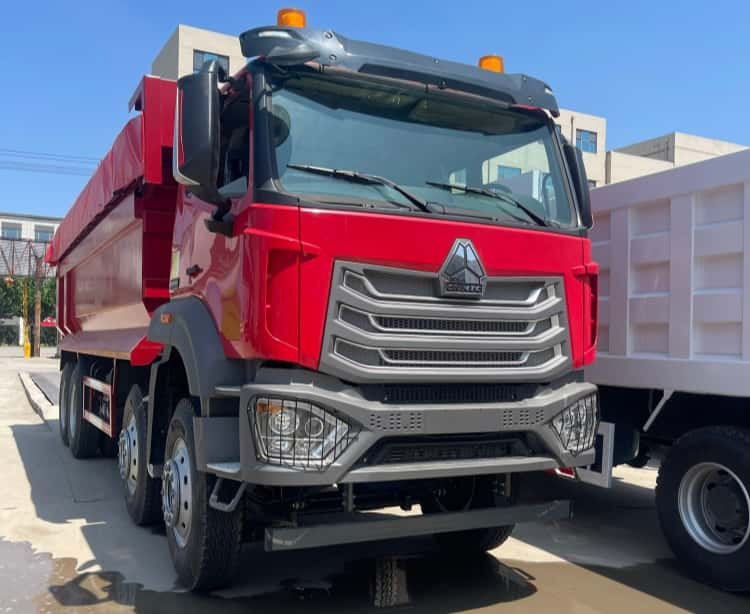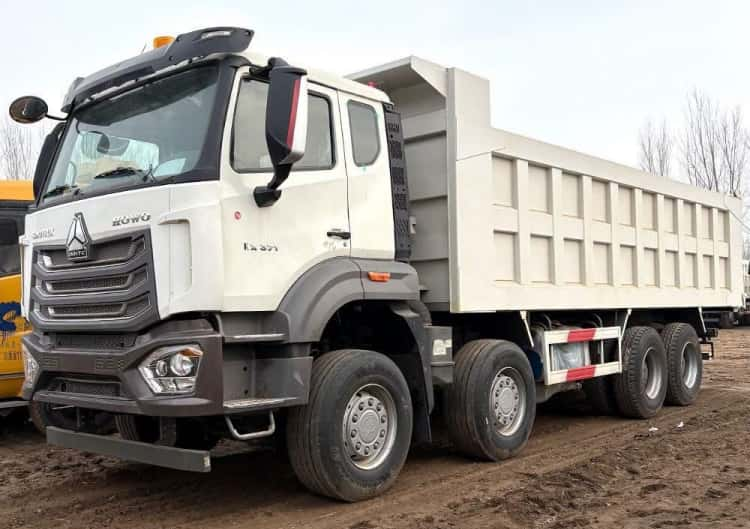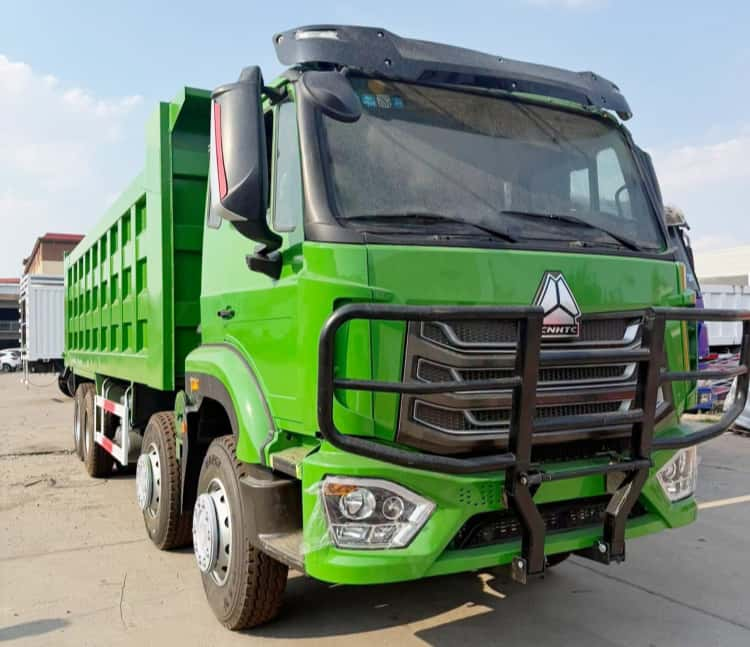
What Makes Certified Remanufacturing a Smart Asset Decision For Heavy Vehicle Fleets?
Introduction
Fleet leaders constantly weigh choices between new trucks, ordinary used stock and remanufactured units. Certified remanufacturing, built on formal, auditable standards such as REMAN ROAD’s benchmark system, stands apart from basic repair, overhaul or cosmetic refurbishment. It is not simply a low-cost substitute; it is a structured asset strategy that balances upfront investment, reliability, lifecycle cost and ESG performance. For mining, quarry and long-haul transport fleets, it addresses many of the most painful pain points of traditional fleet renewal.
Restored near-new performance with much lower entry cost
Genuine certified remanufacturing follows a full disassembly, inspection and component renewal workflow. Critical load-bearing parts go through NDT and dimensional checks, while all high-cycle friction and seal components are mandatorily replaced.
The end result is performance and service life close to the original specification, but at a fraction of the price of a brand-new heavy truck. This lets fleets deploy capital across more haulage capacity instead of sinking large budgets into a small number of new vehicles.
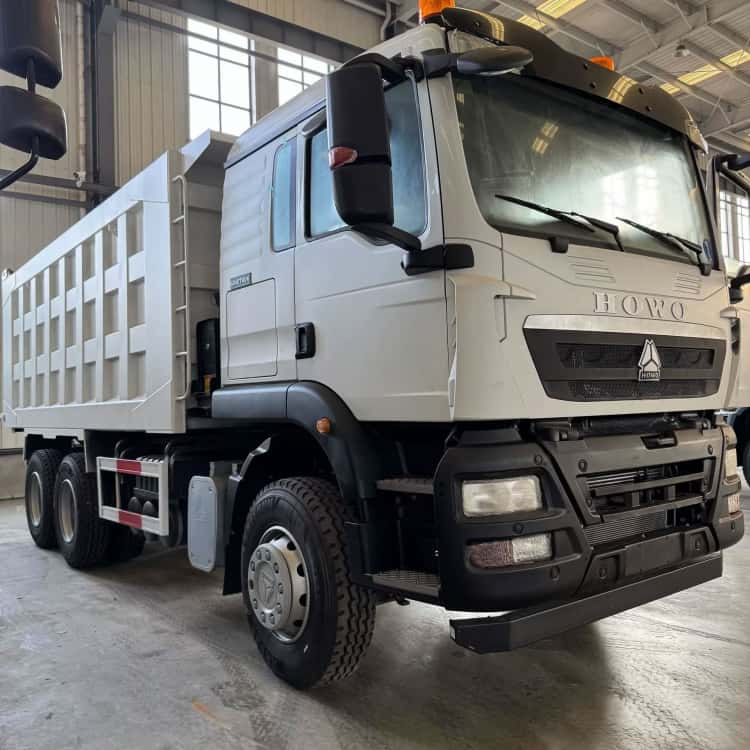
Predictable maintenance and reduced downtime risk
Unvetted used trucks carry unknown wear history. Their failures are random and disruptive. Certified standardised reman trucks start with a fresh rebuild cycle and documented component status. This allows your team to move from emergency breakdown repairs to scheduled maintenance.
Planned service lowers the frequency of sudden, costly stops — a major advantage for site-based operations where one truck failure can delay an entire production line.
Full traceability supports contracts, audits and warranty claims
Every standardised reman truck comes with serial-number-linked documentation: core inspection logs, NDT reports, parts replacement manifests, final test records and formal certification. This paperwork matters for tender compliance, client ESG audits and warranty validation.
Remanufacturers cannot hide skipped inspection steps, and your team has clear proof of rebuild scope when disputes arise. This level of transparency is rarely available for second-hand trucks.
Attractive ESG credentials and access to sustainability finance
Certified remanufacturing reuses high-value core assemblies, cutting the embodied carbon that would be generated by manufacturing entirely new castings, forgings and chassis components. The carbon reduction is verifiable through the standard rebuild record pack.
Many fleets use this advantage to satisfy tender requirements, meet Scope 3 targets and qualify for sustainability-linked loans with preferential interest terms. It turns fleet renewal into an ESG enabler rather than just an operational purchase.
Stable residual value and flexible exit options
Because standardised reman trucks are built to consistent standards with complete records, they hold better liquidity in secondary markets. When your project ends or your rotation schedule arrives, you can resell, trade in or reallocate the asset with clearer valuation. In contrast, undocumented refurbishment work leads buyers to discount heavily, accelerating depreciation and erasing much of your initial cost saving.
Shorter lead times compared to new heavy vehicles
Global supply chain volatility often creates long waiting periods for factory-new heavy trucks. Standardised reman trucks production relies on qualified core inventories and mature workflows, typically delivering shorter lead times. This gives fleets a reliable way to fill capacity gaps without waiting months for OEM delivery, keeping project timelines on track.
Conclusion
Certified remanufacturing is a smart fleet decision because it delivers a balanced package: near-new performance, controlled upfront spend, predictable maintenance, auditable sustainability benefits and stable residual value.
It sits between expensive new equipment and high-risk uncertified used stock. When paired with a disciplined rotation and maintenance strategy aligned with REMAN ROAD benchmarks, certified remanufacturing helps fleets lower overall TCO while building a more resilient, audit-ready asset portfolio.