Asset Life Reset: How Certified Remanufacturing Reclaims Full Service Cycles?
Introduction
Fleet assets degrade over time. Metal fatigue, component wear, seal degradation and accumulated stress gradually reduce a heavy truck’s reliability. When a truck reaches its original end-of-service point, many operators assume its usable life is finished. They treat it as scrap or sell it cheaply as a used vehicle with unknown residual lifespan.
Asset life reset is the defining outcome of certified remanufacturing. It is far more than adding a few years of extra use. Under the REMAN ROAD standard, certified remanufacturing systematically eliminates accumulated wear and fatigue, returning a qualified heavy truck core to a full, complete service cycle comparable to a brand-new equivalent truck. This article explains what asset life reset means, how it works, and why it differs from simple life extension via overhaul or repair.
What Is Asset Life Reset?
Asset life reset describes the process of removing accumulated operational fatigue and wear from a retired heavy truck core, so the vehicle can start a brand-new full service cycle.
A used or overhauled truck carries the history of every previous mile, load and engine hour. Its components retain metal fatigue, surface wear and material stress. Even after repairing a failed assembly, the asset’s aging clock keeps running from its original operating hours.
Certified remanufacturing stops that clock. Only cores that pass rigorous NDT structural screening are accepted. The entire truck is fully disassembled. Worn and fatigue-prone parts are replaced, structural castings are precision machined to restore OEM dimensions, and all systems are tested to near-new performance benchmarks. When finished, the certified reman trucks enters a fresh full service cycle with reliability characteristics matching a new heavy truck.
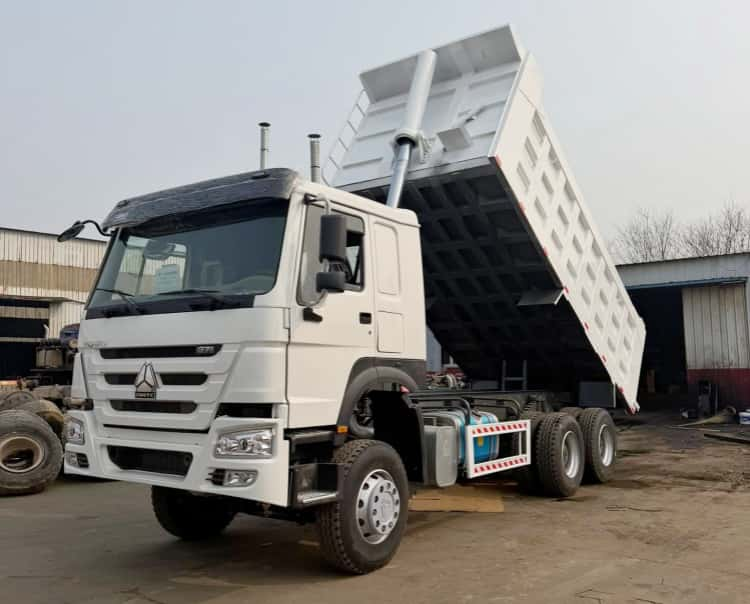
How Certified Reman Reclaims Full Service Cycles?
Core Screening: Eliminate Irreparable Structural Fatigue Upfront
Asset reset can only happen if the base metal structure is still viable. The first REMAN ROAD gate is intake inspection plus mandatory NDT testing on frame rails, engine blocks, cylinder heads and axle housings. Cores with critical cracks, severe corrosion, collision deformation or irreversible metal fatigue are rejected. If the base structure has accumulated damage that cannot be removed, full life reset is impossible. This step filters out cores that cannot support a complete new service cycle.
Full Disassembly Exposes Hidden Wear Across All Systems
Partial rebuilds like overhaul only inspect one assembly and leave the rest of the truck sealed. Hidden fatigue continues to build inside untouched components, limiting how much life you can recover.
For certified remanufacturing, the whole truck is fully torn down into individual discrete components. Every part is cleaned and inspected. This reveals hidden micro-wear, surface pitting and stress marks that remain invisible in assembled vehicles. No component escapes inspection.
Restore Structural Components to OEM Dimensional Specifications
Reusable cast and forged structural parts undergo precision machining: honing, grinding, line boring and surface refinishing. This removes surface wear and restores original OEM geometry, within the allowed stock removal limits.
Machining eliminates the accumulated dimensional drift that comes from thousands of operating hours. Once complete, these heavy structural components can again perform within their original design tolerance for a full new cycle of heavy loads.
Proactive Replacement of All Fatigue-Limited Components
This is critical for resetting asset life. Bearings, piston rings, seals, gaskets, brake linings, rubber hoses and high-torque fasteners are all replaced with new OEM-equivalent parts, regardless of whether they still appear functional. These components have finite fatigue lifespans. Even if they still work, they have consumed part of their design life.
By replacing all fatigue-prone consumables upfront, reman eliminates the ticking time bombs that cause mid-cycle breakdowns in overhauled or repaired trucks.
Full-Vehicle Performance Validation Confirms Readiness for a New Cycle
After reassembly and ECU calibration, sub-assemblies pass bench dyno and load testing. The complete truck undergoes full-load road validation. Power, torque, thermal stability, braking and fuel consumption must meet near-new OEM standards. If performance fails to hit benchmarks, the truck is reworked. Testing confirms the asset is ready to reliably complete a full service cycle under heavy-duty operating conditions.
Traceability & Certification Validates the Reset
All inspection, machining, component replacement and test results are logged into a permanent VIN-linked traceability dossier. An independent third-party auditor reviews all records before issuing REMAN ROAD certification.
This documentation proves the asset has completed a full reman workflow and its service life has been reset. It protects residual asset value and gives fleet operators verifiable proof for internal asset management and ESG reporting.
Asset Life Reset vs Partial Life Extension
Many fleet buyers confuse these two outcomes.
- Partial life extension (repair / overhaul): Fix one failed component. Only that single assembly gets limited extra usable time. The rest of the truck retains accumulated wear and fatigue. The asset’s original lifecycle clock continues running. Future breakdown risk remains high and unpredictable.
- Asset life reset (certified reman): Full vehicle teardown, structural screening, component restoration and proactive part replacement. The entire vehicle’s accumulated fatigue is removed. The truck starts a brand-new full service cycle with predictable, new-like reliability.
Business Value for Fleet Operators
- Improved TCO: Instead of purchasing expensive new trucks or repeatedly repairing aging used assets, fleets can deploy certified reman trucks with full reset service cycles.
- Stable maintenance forecasting: Since fatigue life is fully reset, maintenance schedules become predictable, reducing unplanned downtime.
- Extended fleet turnover intervals: Asset life reset stretches the time between fleet replacement cycles, lowering recurring CAPEX spending.
- Protected residual value: Certified proof of life reset preserves resale value when the asset eventually reaches the end of its new service cycle.
- Circular economy & ESG gains: Reusing structurally sound heavy truck cores cuts embodied carbon versus manufacturing brand-new vehicles.
Common Misconceptions
❌ Myth: A few major repairs add up to an asset life reset. Fact: Isolated repairs only fix individual faults. They do not inspect the whole vehicle or eliminate hidden metal fatigue. The original asset lifecycle is never reset.
❌ Myth: Asset life reset means the truck will last forever. Fact: Resetting creates a new full service cycle, not infinite life. The certified reman trucks will still wear gradually over its new operating hours, following the standard wear curve of a new heavy truck.
❌ Myth: If an engine overhaul delivers strong power, the truck’s full asset life is reset. Fact: Rebuilding the engine leaves axles, frame, suspension and braking systems with their original accumulated fatigue. This only extends engine life, not the whole vehicle’s service cycle.
Conclusion
Asset life reset is the transformative outcome of certified remanufacturing. It is not simply squeezing extra months of service from an old truck. Through strict core screening, full disassembly, dimensional restoration, proactive fatigue-part replacement and third-party validated performance testing, REMAN ROAD certified reman trucks reclaim a complete full service cycle.
For fleet operators, this distinction is essential. Partial fixes such as overhaul or repair can only extend life in limited ways. Certified remanufacturing resets the whole asset’s fatigue clock, delivering near-new reliability, predictable maintenance and significant savings in capital expenditure and total operating cost.