Delivery & Pre-Handover Inspection Guide For Imported Reman Heavy Duty Trucks
Introduction
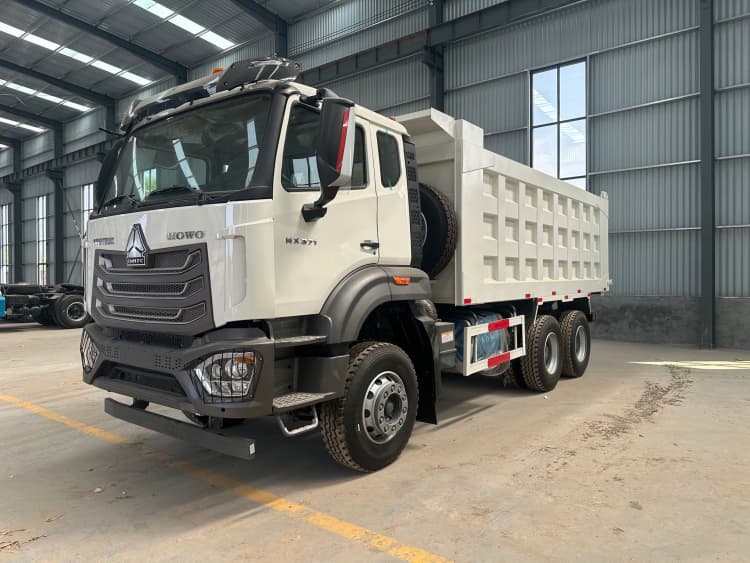
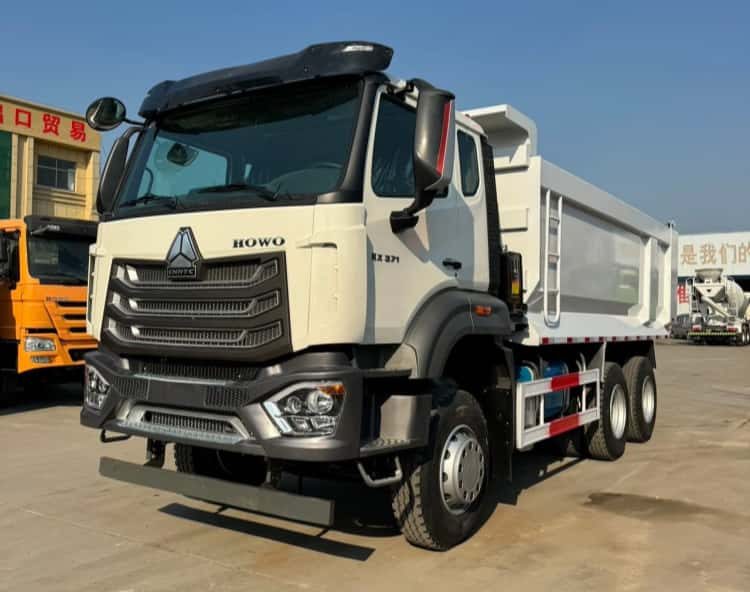
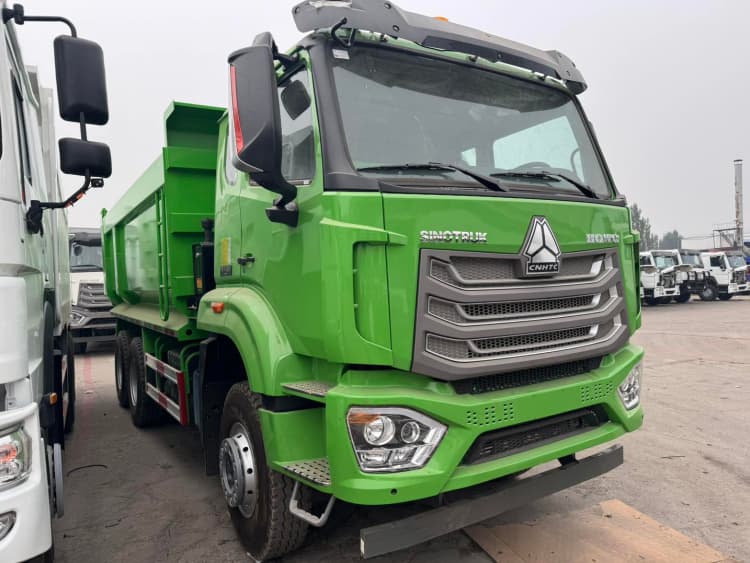
Imported reman heavy duty trucks cross long shipping routes, facing risks of transit damage, missing paperwork and container contamination. Pre-handover inspection is your final checkpoint before acceptance. This guide aligns with REMAN ROAD’s reman benchmarks, helping your technical and procurement teams verify documents, external condition, core functions and traceability, and raise non-conformances before signing acceptance forms.
Full Document Verification (First Step)
Cross-check that all paperwork matches the vehicle serial number:
- Reman certification, core inspection records and NDT test reports
- Component replacement manifest, assembly checklists and final test logs
- Commercial invoice, packing list, bill of lading and customs clearance documents
- Warranty certificate with clear coverage scope and validity period
Reject acceptance if key traceability files are incomplete or serial numbers do not match.
Container & Transit Damage Inspection
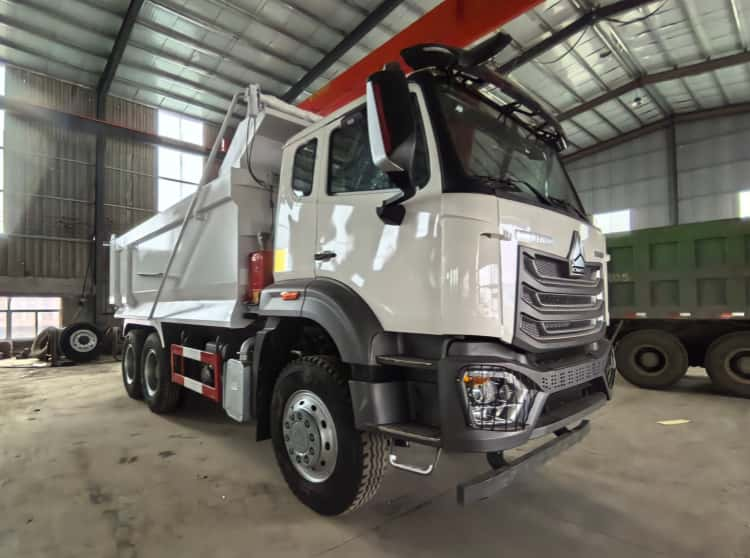
Before unloading, examine container seals and wall condition. After unloading:
- Check chassis, cab, fuel tank and body for collision dents, cracks or corrosion
- Inspect oil, fuel and hydraulic joints for loose fittings or transit leakage
- Confirm protective caps, plugs and covering materials are intact
- Record all visible defects with photos and timestamps immediately
Visual Inspection of Key Assemblies
- Frame, axle housings and suspension: no new cracks, bending or weld marks not recorded in files
- Engine, transmission and differential: confirm no unapproved makeshift repairs
- Brake chambers, air lines and electrical harnesses: tidy routing, no cuts or abrasion
- Tires, rims and fasteners: check torque status and physical integrity
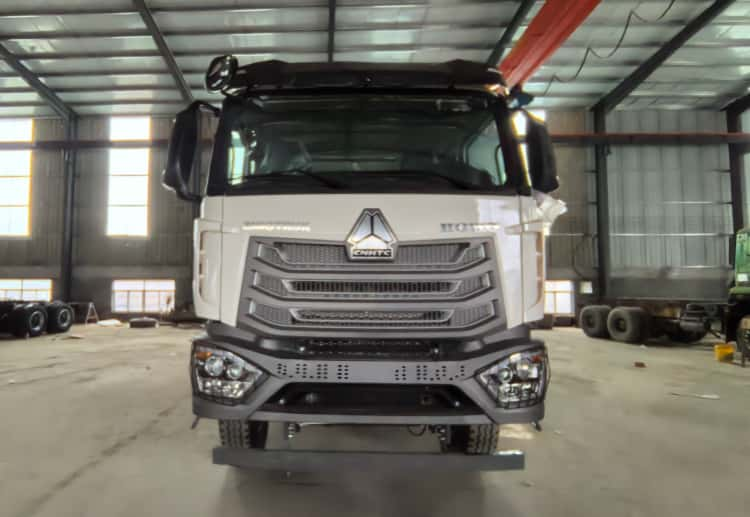
Static Functional Test
Complete static checks before starting the engine:
- Fluid levels: engine oil, coolant, hydraulic oil, brake fluid
- Air circuit: build pressure normally, no continuous air leakage
- Electrical system: lights, gauges, alarm sensors and dashboard indicators
- Cab accessories: windows, doors, mirrors and seat adjustments
Startup and Dynamic Pre-Acceptance Test
- Cold startup test: stable idling, no abnormal smoke or strange noise
- Transmission: smooth gear shifting, no slipping or hard knocks
- Brake test: service brake and parking brake respond reliably
- Check for unusual vibration, overheating or fluid leaks under running condition
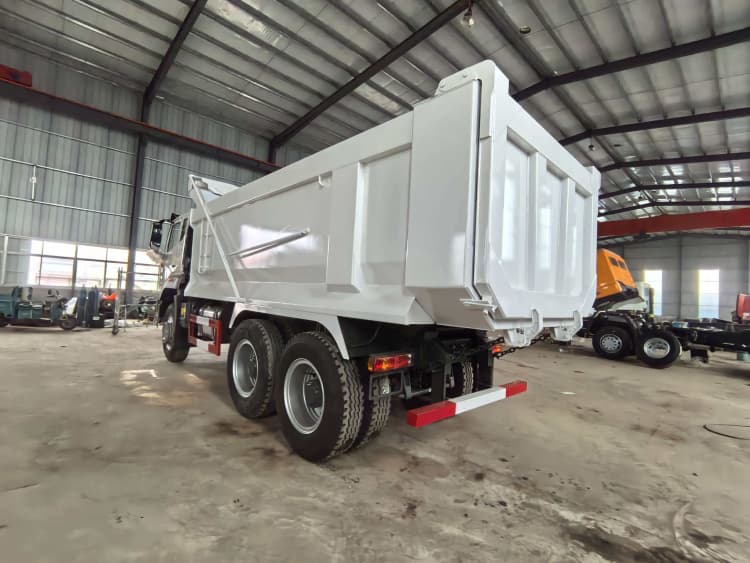
Non-Conformance & Acceptance Rules
Classify findings clearly:
- Minor defects: cosmetic scratches, small loose fittings — agree rectification timeline
- Major defects: leakage, structural cracks, failed brake performance, missing core documents — suspend acceptance and notify the supplier officially
All defects, photos and rectification commitments must be recorded in writing and signed by both parties. Do not sign unconditional acceptance before issues are resolved.
Conclusion
Pre-handover inspection separates transit risks and quality gaps from original remanufacturing quality. Complete document validation and systematic functional testing protect your import procurement. With this guide, your team can confirm the imported reman heavy duty trucks meets agreed standards before formal handover, avoiding disputes and unexpected downtime after acceptance.