How To Evaluate Reman Vehicles Residual Value Before Purchase?
Introduction
Residual value is often overlooked when procurement teams compare heavy reman vehicles. Many buyers only focus on upfront purchase price, ignoring how much value the asset will retain when it is resold, reallocated or retired at the end of its service cycle. A seemingly cheap reman vehicles can become a poor investment if its resale value collapses quickly.
Evaluating residual value before purchase lets fleet managers compare total cost of ownership fairly, forecast depreciation, and make better long-term capital decisions. Using REMAN ROAD’s standardized reman workflow benchmarks as reference, you can assess the key factors that determine future residual value and avoid buying reman assets with weak secondary-market appeal.
Verify Whether The Truck Is Built Against Widely Recognised Reman Standards
The single biggest driver of residual value is credible, consistent rebuild standards. A heavy reman vehicles rebuilt under a published, auditable standard holds far stronger market recognition than one rebuilt under a workshop’s internal, undocumented rules. Buyers in the secondary market are wary of vague “remanufactured” labels that could hide superficial refurbishment.
Confirm that the rebuild followed clear rules: full disassembly, industrial cleaning, NDT inspection of high-load assemblies, mandatory replacement of all high-cycle wear parts and formal performance testing. Complete alignment with recognised benchmarks means future buyers trust the asset, which directly supports its resale price. Units without standardized reman workflow proof will always trade at steep discounts.
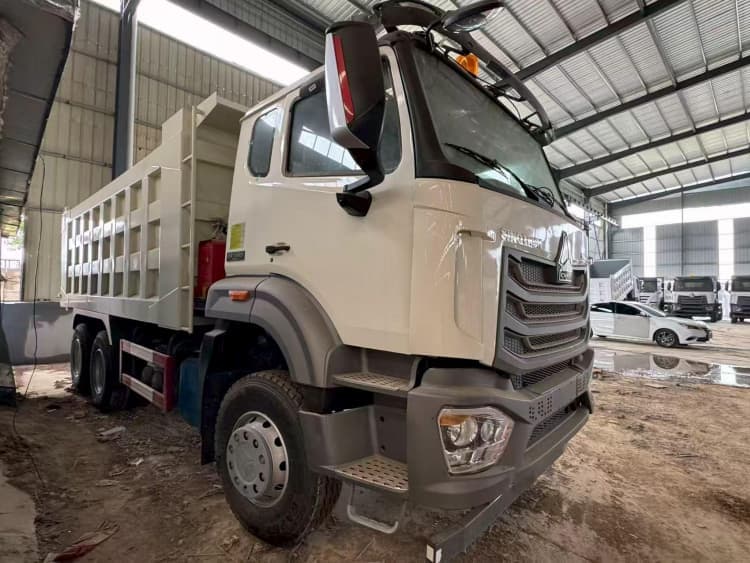
Examine The Platform Popularity and Global Parts Availability
Residual value heavily depends on whether the truck model is widely circulated and supported. Mature, mainstream heavy-duty platforms with global spare-part networks maintain value much better than rare, discontinued or niche models. Before purchase, research local and regional secondary demand for this exact model.
If technicians across your operating region know the chassis, engine and transmission design, and replacement components are readily available, buyers will compete for it later. Obscure models with limited component support struggle to attract buyers, forcing you to accept low resale offers when the time comes to dispose or trade.
Audit The Full Traceability Document Package
Secondary buyers and auditors will not rely on verbal descriptions. Complete, serial-number-linked documentation is a tangible part of the truck’s value. Check whether the pack includes incoming core inspection sheets, NDT fatigue test reports, dimensional measurement logs, component replacement manifests, reassembly checklists, final performance test results and formal certification.
A full, organised file proves the rebuild scope and eliminates uncertainty. Trucks with missing, partial or unorganised records are treated as high-risk, and their residual value drops significantly, even if physical condition looks good.
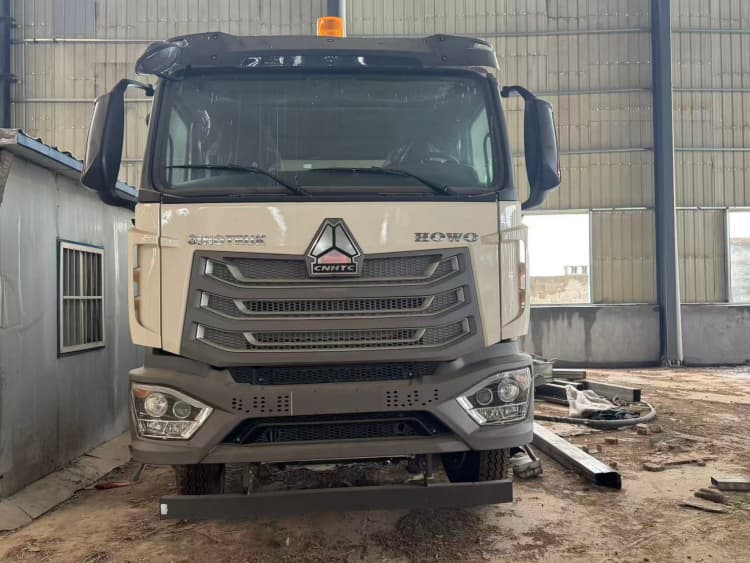
Review The Reman Warranty Terms, Transferability and Remaining Coverage
Transferable warranty is a powerful residual-value booster. If the original warranty can be transferred to the next owner, the truck becomes much more attractive on the secondary market. Check the warranty length, covered assemblies, exclusions and conditions. Short, non-transferable warranties, or warranties with heavy limitations, reduce future appeal.
Also confirm whether warranty support can be accessed across the regions where you may resell or relocate the truck. Warranty that is only valid at the original rebuild factory limits liquidity and suppresses resale pricing.
Inspect Core Structural and Powertrain Component Status
Structural integrity and major powertrain health dominate long-term value. The frame, engine block, crankshaft, axle housings and transmission housing are high-value long-life cores. During your evaluation, review the inspection results for these assemblies. Confirm they passed NDT and dimensional checks and were not subject to major collision repair or fatigue cracking.
If these primary cores are qualified and preserved properly, the asset retains value. If critical core components were repaired instead of replaced where standards require replacement, or show borderline tolerances, depreciation will accelerate. Wear items such as clutch plates, seals and bearings are expected to be renewed and have less influence on residual value.
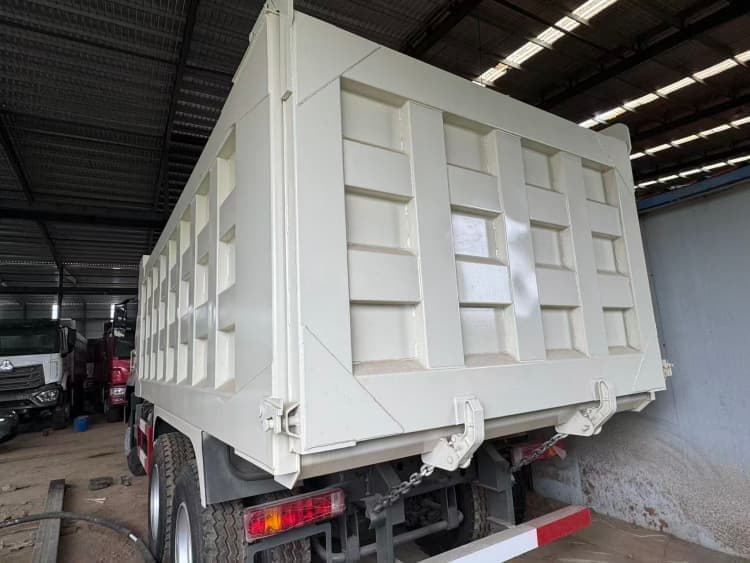
Analyse Local and Cross-Border Market Liquidity
Residual value is market-dependent. A reman truck that holds strong value in one country may depreciate rapidly in another. Evaluate where you might resell it later: local site resale, regional secondary markets or cross-border export. Check recent comparable sales of similar standardised reman units.
Look at how long comparable assets sit before sale. High liquidity means shorter listing times and more stable pricing. If the regional market for this model is thin, you must plan for larger depreciation and slower disposal timelines. This is especially critical for fleets operating across multiple countries on project-based contracts.
Factor in Expected Operating Hours and Planned Service Cycle
Remaining service life directly impacts residual value. Confirm the agreed service benchmark for the heavy reman vehicles under the applied rebuild standard. Compare this to your planned usage cycle. If you only need the truck for a short project and will resell it after limited hours, residual value stays high.
If you plan to run it continuously until near the end of its second lifecycle, depreciation will naturally be deeper. Build depreciation forecasts based on realistic working hours, site conditions and typical wear rates for your operating environment, such as dusty quarry or heavy haulage routes.
Compare Depreciation Curves Against New and Uncertified Second-Hand Alternatives
Frame the residual-value assessment alongside other purchasing options. Brand-new trucks depreciate sharply in the first years. Well-built standardised reman trucks usually follow a gentler depreciation curve. Poor-quality rebuilds often drop quickly once hidden defects emerge.
By forecasting residual value, you can calculate true TCO instead of judging only upfront cost. A slightly more expensive, standard-certified heavy reman vehicles can deliver better economics because it loses less value over ownership.
Conclusion
Evaluating residual value before purchase turns buying decisions beyond upfront price into full-lifecycle planning. Focus on verified rebuild standards, model popularity, complete traceability, transferable warranty, core condition and regional market liquidity. When you select heavy reman vehicles with strong residual value, you protect fleet capital, reduce loss at disposal and build more predictable multi-year budget plans.
REMAN ROAD’s benchmark-aligned heavy reman vehicles are built with consistent rebuild records and recognised platform selection, supporting more stable residual value for global fleet buyers.