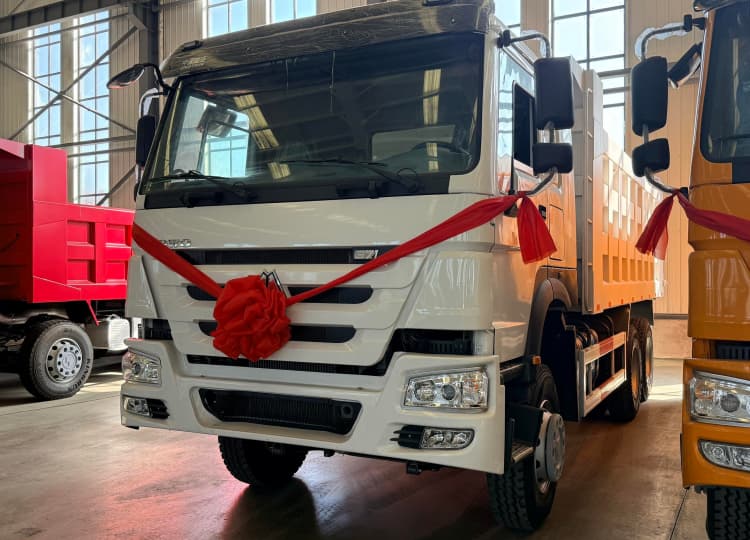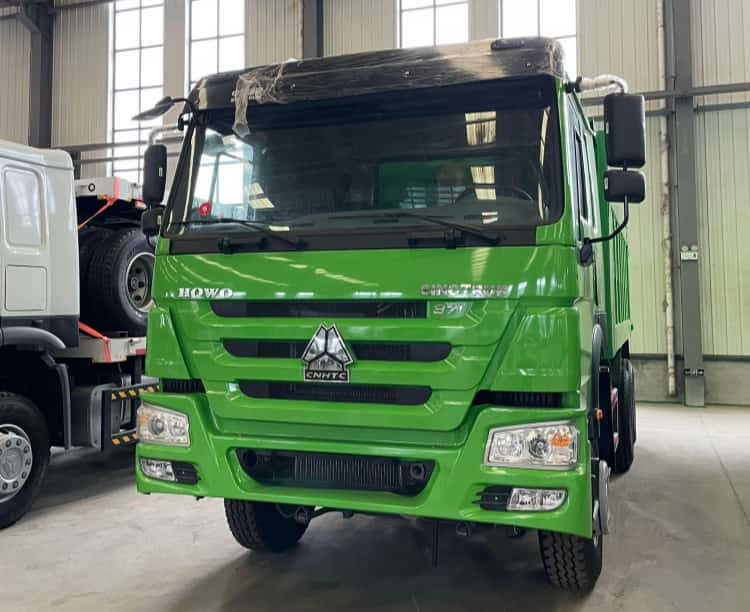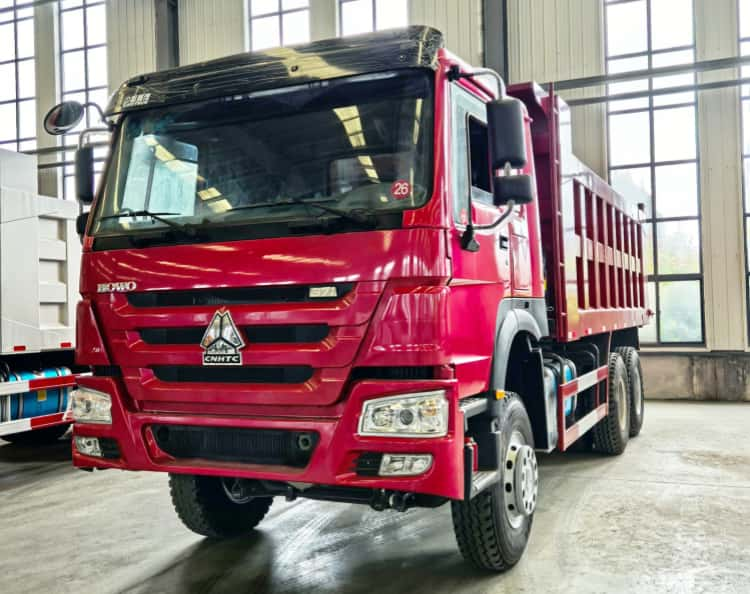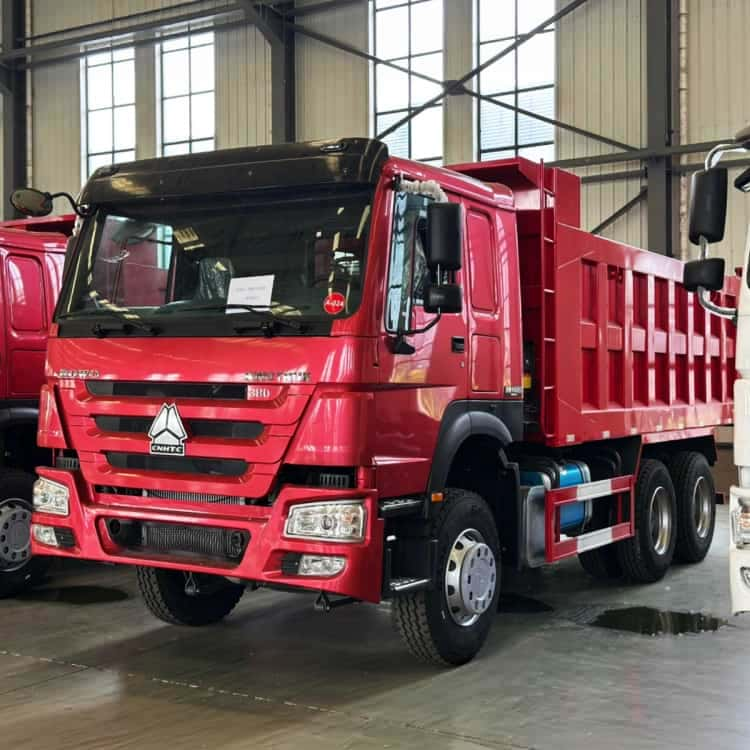
Standard Reman vs Repair: Key Differences Every Fleet Operator Must Know
Introduction
Repair is the most common maintenance activity for heavy-duty fleets. Standard remanufacturing, however, is often mistaken as just “a bigger repair job”. While both processes fix vehicle faults, their purpose, workflow scope, risk mitigation and impact on asset service life are fundamentally different.
Repair addresses a specific breakdown to get the truck back on the road. Formal REMAN ROAD remanufacturing is a full, standardized industrial regeneration process designed to reset the whole vehicle’s fatigue life and return it to near-new OEM performance. This article clarifies their differences for fleet operators.
What is Ordinary Truck Repair?
Repair is a reactive, fault-focused maintenance action. It happens when a component or system fails, causing symptoms such as oil leaks, strange noise, loss of power or breakdown. The scope is limited only to the failed part or damaged area. Technicians replace or fix the broken component, and leave all other untouched assemblies as they are. No disassembly of the entire vehicle is required. There is no systematic inspection of unrelated parts that are still working but approaching the end of their fatigue life.
Repair does not include mandatory NDT screening for hidden structural defects in frame, engine block or axle housings. There is no requirement for precision machining to restore OEM dimensional tolerances for structural castings. After repair, technicians run a simple functional check to confirm the fault is resolved. The rest of the truck retains all its accumulated operating wear and metal fatigue. The vehicle’s total service life is not reset. Records are normally limited to work orders and replaced parts lists for that single fault.
What is Formal REMAN ROAD Remanufacturing?
Standard remanufacturing is a proactive, whole-vehicle regeneration workflow with strict pass/fail gates, executed before the asset reaches terminal breakdown. The candidate core first passes intake evaluation and mandatory NDT inspection. Any unit with irreversible structural cracks, crash damage or excessive metal fatigue is rejected. The entire heavy truck is fully disassembled down to individual discrete components. Every part is cleaned, inspected and graded as reusable, repairable or scrap.
Sound structural cast and forged components are precision machined to restore OEM dimensional specifications. All fatigue-critical consumable parts, including bearings, seals, gaskets, piston rings, brake friction materials and high-torque fasteners, are replaced with new specification-compliant parts, regardless of whether they appear functional.
After reassembly and electronic calibration, sub-assemblies go through instrumented bench testing. The complete truck completes full-load road validation, with all performance metrics measured against new OEM benchmarks. All remanufacturing workflows steps are recorded in a permanent VIN-linked traceability dossier, and final certification is issued only after independent third-party audit. The finished reman truck gains a fully reset service cycle, with reliability matching an equivalent new heavy truck.
Core Differences Between Standard Reman and Repair
Core Purpose
- Repair: Fix a known failure; restore basic operability to resolve an immediate breakdown. Reactive maintenance.
- Standard Reman: Fully regenerate the entire vehicle; reset asset fatigue life and achieve near-new OEM performance. Proactive asset renewal.
Work Scope
- Repair: Only the failed component or damaged system. Most assemblies remain sealed and uninspected.
- Standard Reman: Full disassembly of the whole vehicle. Every single component is inspected, restored or replaced.
Inspection Standard
- Repair: Visual inspection limited to the faulty area. No mandatory structural NDT. Hidden risks remain undetected.
- Standard Reman: Mandatory NDT for all critical load-bearing components at intake and post-machining.
Part Replacement Logic
- Repair: Replace parts only after they break or show obvious damage. Aging but functional components stay in place.
- Standard Reman: Proactive replacement of all fatigue-limited wearing components before they can fail in service.
Performance Validation
- Repair: Quick functional test to confirm the reported fault is gone. No full-load benchmark testing.
- Standard Reman: Bench dyno testing plus full-load road testing. Performance must meet new OEM tolerance ranges.
Impact on Asset Lifespan
- Repair: The repaired component is fixed, but the rest of the truck continues aging. Overall asset life is not reset.
- Standard Reman: Full reset of the vehicle’s service cycle, delivering a full new period of reliable heavy-duty operation.
Documentation & Quality Assurance
- Repair: Basic work order and parts invoice, self-checked by the service shop. No third-party audit.
- Standard Reman: Complete VIN traceability dossier, NDT reports, machining logs and test data verified by independent audit.
Use Cases: When to Use Repair vs Standard Reman Truck?
- Ordinary Repair: For your in-service fleet trucks with isolated failures. It is the cost-effective choice to fix a single fault and keep your existing asset running. Repair is routine maintenance for day-to-day fleet management. It is not suitable if you want to purchase a “like-new” heavy truck asset for long-term heavy workloads.
- Formal REMAN ROAD Remanufacturing: When procuring new fleet assets for long-term heavy-duty operation, or when you want to fully retire an old core and rebuild it from the ground up into a reset, high-reliability truck. It reduces long-term downtime risk, stabilizes TCO and supports ESG carbon reporting.
Common Misconceptions
- ❌ Myth: Remanufacturing is just a very extensive repair. Fact: Repair reacts to failure. Standard remanufacturing systematically tears down and renews the whole vehicle, even when there is no single breakdown to fix. It includes structural screening, proactive part replacement and full performance validation that repair never requires.
- ❌ Myth: A truck that received multiple major repairs is equivalent to remanufactured. Fact: Multiple separate repairs only fix individual faults one by one. They do not include full vehicle disassembly, NDT screening or a complete lifecycle reset. Hidden wear still accumulates across uninspected systems.
- ❌ Myth: If a repair shop fixes several systems at once, it becomes remanufacturing. Fact: Expanded repair work is still overhaul or multi-point repair. Without full teardown, component grading, NDT and third-party certification, it cannot qualify as standard remanufacturing.
Conclusion
Repair fixes what is broken. Standard remanufacturing renews the entire heavy truck asset. Repair is essential routine fleet maintenance for isolated failures, but it does not eliminate hidden wear or reset asset fatigue life. Formal REMAN ROAD remanufacturing uses full disassembly, structural NDT screening, proactive part replacement and third-party validated performance testing to deliver near-new reliability and a full reset service cycle.
Every fleet operator must understand this distinction to avoid misjudging asset condition, miscalculating maintenance budgets, and prevent unexpected costly downtime caused by confusing repaired trucks with certified reman trucks.