How Incomplete Component Replacement Creates Fake Reman Truck?
Intro
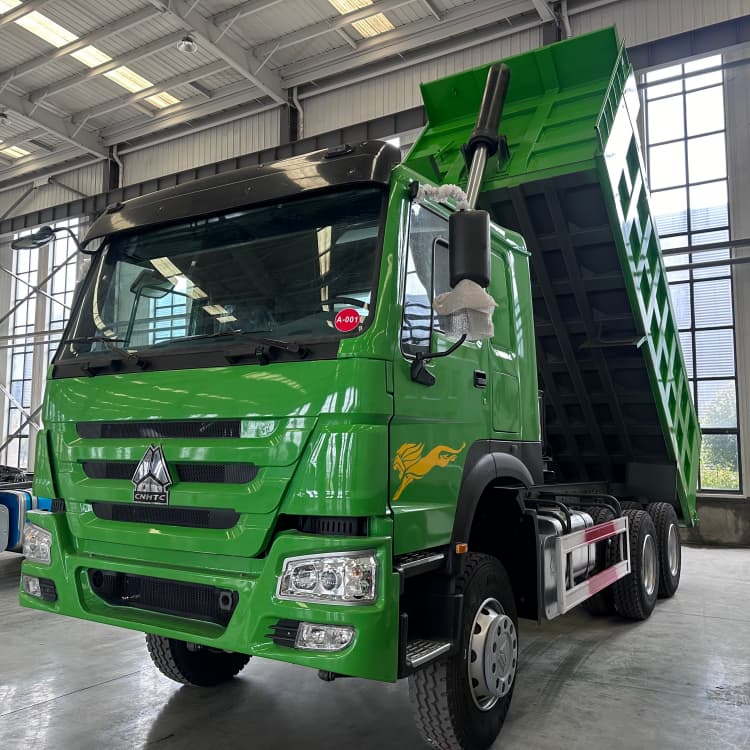
Fake reman truck is not always built on forged certificates. Many dishonest sellers replace only the most obvious worn parts, while leaving other critical ageing components untouched. The truck starts, passes a quick test run and looks refurbished. But it is not true design-spec reman. This partial swap tactic creates a fake reman truck with hidden failure risks.
What incomplete component replacement means?
In formal REMAN ROAD reman, every high-load component is inspected against engineering rules. If a part fails NDT fatigue screening or falls outside OEM tolerance, it must be replaced or properly restored.
In incomplete replacement schemes:
- Only broken, noisy or leaking parts get swapped
- Parts that still “work” are kept, even if they are near the end of their fatigue life
- The workshop skips the full disassembly and screening workflow
- The rebuild scope is trimmed to cut costs and shorten lead time
The finished truck appears renewed, but large parts of the powertrain and drivetrain remain in their old worn state.
Common skipped components
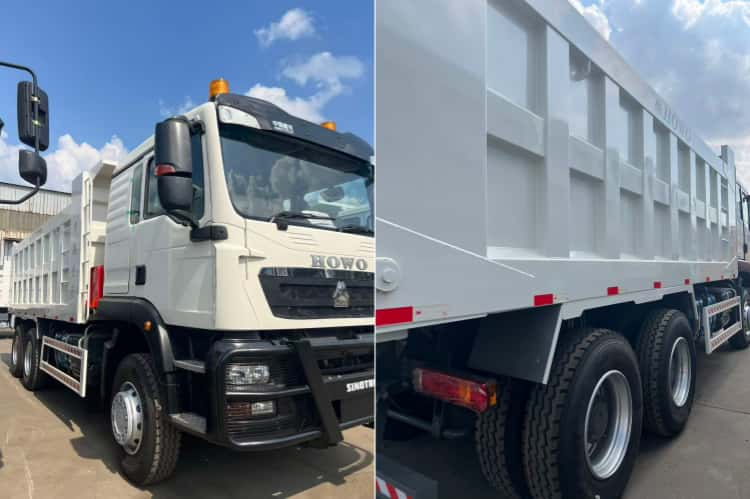
These are the parts most often left untouched in partial fake reman truck:
- Main bearings that are still within rough dimension range but have surface fatigue
- Old gear teeth with micro-pitting that has not yet caused noise
- Original kingpins, suspension brackets and frame sections with hidden fatigue
- Aged oil pumps, cooling passages and seals that have not been pressure tested
- Old after-treatment sensors and emission parts that have slow drift
Sellers focus on the visible, high-impact parts such as pistons or clutch kits. These deliver immediate performance improvement and impress buyers during test runs.
Why this setup fails early?
The drivetrain is a connected system. When you mix brand-new rebuilt parts with old, fatigued components, load distribution becomes unbalanced. New parts transfer torque smoothly, putting extra stress on leftover aged components. This accelerates crack growth and wear.
A typical example: A rebuilt engine with fresh power is paired with an old, uninspected axle housing. The axle may survive for a few months, then fracture suddenly under cyclic heavy load.
The failure feels random. But its root cause is incomplete component screening and replacement.
Easy-to-spot signs of this fake reman pattern
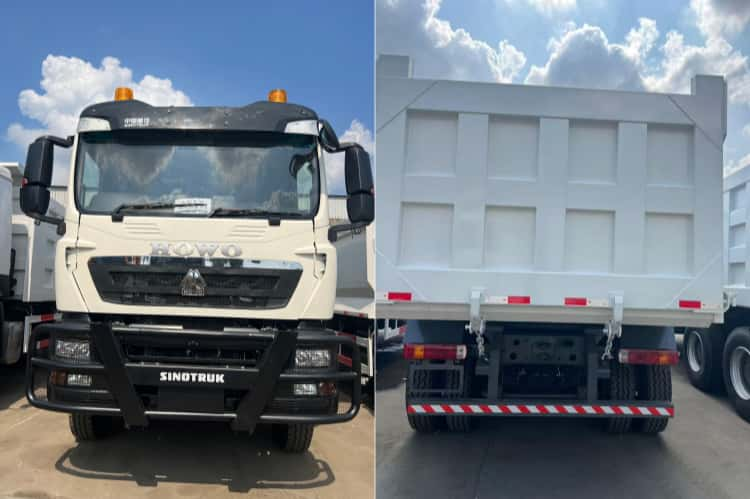
- Uneven surface condition across assemblies: some parts look brand new, others retain original heavy wear marks
- Inconsistent fastener and gasket appearance; some areas show fresh rebuild marks, others untouched
- The seller only lists replaced parts in paperwork, and does not provide full NDT and dimension logs for retained components
- They cannot explain the scrapping threshold for every kept part
- Bench test data is limited to short startup runs, without long dynamic cycle testing
Procurement questions to expose incomplete replacement
- For every component that was kept instead of replaced, what test proved it is free from fatigue?
- Are retained parts measured against OEM design specs, or just kept because they run without noise?
- Was the whole powertrain system balanced and calibrated after partial replacement?
- Can you provide inspection records for parts that were NOT replaced?
- What is the warranty coverage for the components that were reused?
If the seller only provides records for newly swapped parts, they are likely running incomplete replacement.
Core difference from REMAN ROAD reman
REMAN ROAD reman judges every component. It documents both replaced parts AND qualified reused parts. Retained parts must pass NDT and dimension checks, with clear evidence stored under the VIN.
Incomplete replacement only documents what they changed. No formal validation is done for the parts they decided to keep.
Final Takeaway
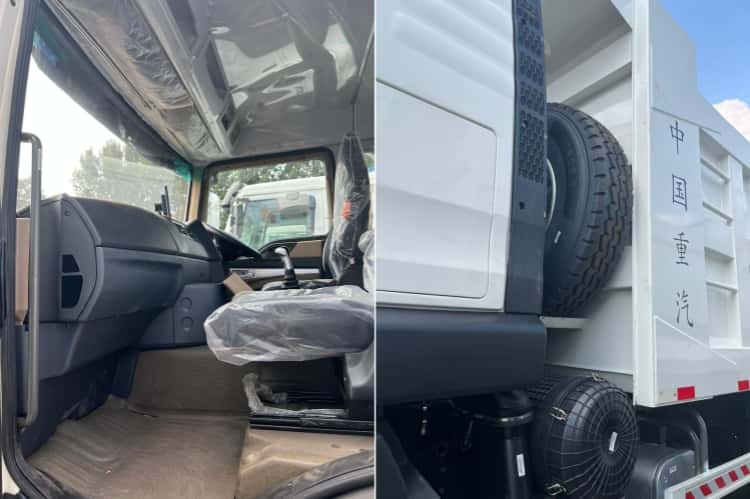
Fake reman truck created by incomplete component replacement relies on selective renewal. It changes the obvious faulty parts, while hiding ageing, fatigue-prone components inside the system.
Without full screening for all retained assemblies, the truck cannot achieve a true reman industrial state. For fleet buyers, always demand proof of inspection for every component — not only the ones that have been replaced.