How Reman Quality Benchmarks Differ For Tractors And Dump Trucks?
Intro
Both tractor units and dump trucks must pass the same foundational reman quality gates: core intake screening, full disassembly, bare-metal NDT, component classification, system calibration and loaded validation. Where they separate is the risk profile built into their design and real-world work patterns.
Tractors run long-distance, steady-state highway towing, with sustained pull load and low-frequency shock. Dump trucks operate short-cycle, stop-start, off-road haulage, with repeated impact, tipping load and cyclic frame torsion. If the same inspection and test thresholds are forced onto both, the reman output will either carry hidden failure risk or waste capital on unnecessary over-engineering. REMAN ROAD reman quality benchmark splits rules to match each vehicle’s fatigue signature.
Core intake and frame screening benchmarks
Reman Tractor Truck
The main frame risk concentrates on fifth-wheel mounting brackets, suspension hanger joints and rear frame transitions. Inspectors prioritise measuring frame straightness, longitudinal wall thickness and weld integrity under steady tensile load. Moderate, isolated local corrosion is acceptable if residual thickness stays above highway towing thresholds.
Service history review focuses on long-duration overloading, sustained high-speed cruising and trailer impact incidents. Frame twist allowance is tighter, because even small misalignment creates chronic driveline vibration over hundreds of thousands of highway kilometres.
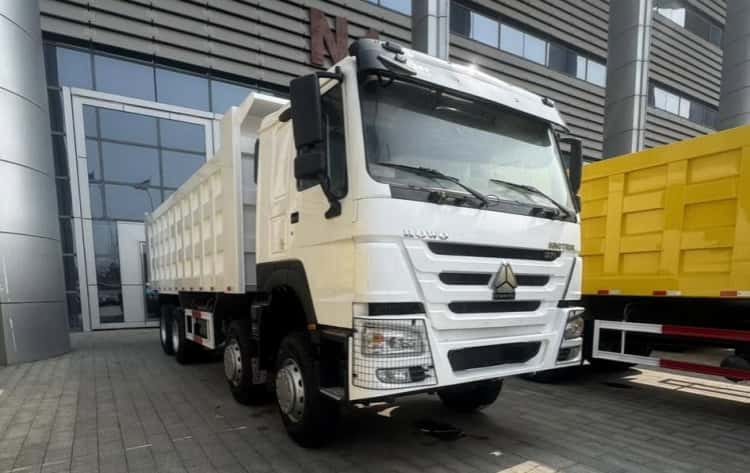
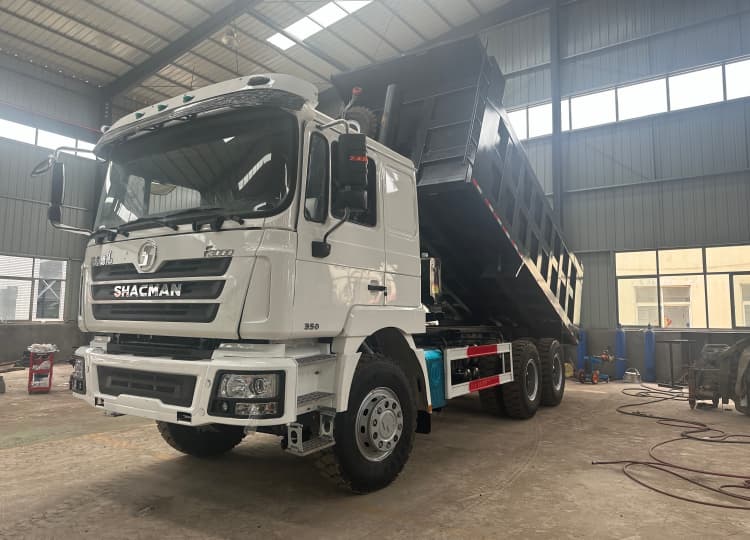
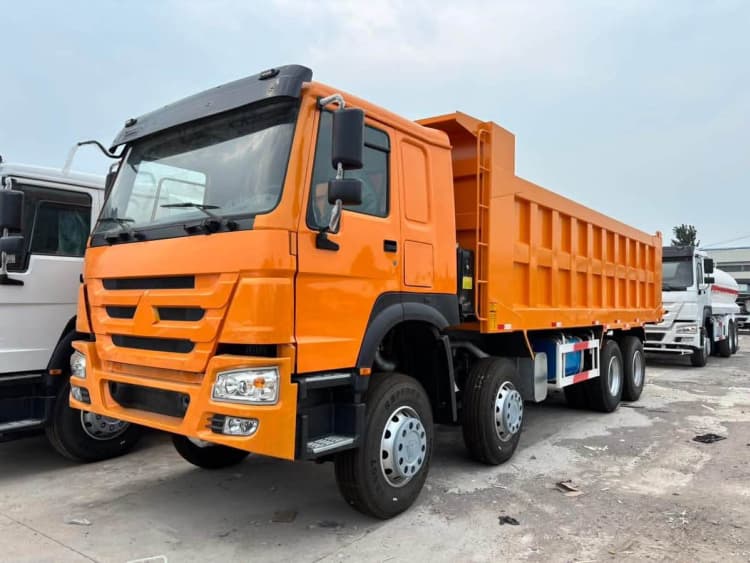
Reman Dump Truck
Frame screening is far stricter at subframe connection points, lifting hinge mounts, hoist cylinder brackets and rear crossmembers. These zones see extreme cyclic torsion when tipping, dumping and travelling over rough quarry or mine surfaces. Through-flange corrosion or multiple clustered weld cracks in these high-stress zones trigger immediate rejection. Even if the main rail looks sound, deformed subframe pads or cracked lifting lugs disqualify the core asset.
Service history screening heavily filters for repeated off-road shock, uneven side loading and tipping overload. Dump truck frames require thicker residual wall margins than highway tractors at these concentrated load paths.
Component-level replacement and rework benchmarks
Reman Tractor Truck
The powertrain and driveline are the dominant wear focus. Engine, transmission, clutch, rear axle and wheel-end bearings follow highway steady-load criteria. Gear contact pattern, driveline phasing and universal joint condition are audited with high precision. Mandatory renewal lists focus on sealing, bearing and lubrication-related consumables. Hydraulic components are limited to steering and minor auxiliary circuits; they are not a primary risk category. Rework limits for crankshafts, camshafts and gear sets follow highway continuous-running OEM tolerance bands.
Reman Dump Truck
The mandatory renewal list expands to the full PTO and hydraulic lifting circuit. Hoist cylinders, pump seals, control valves, hinge pins, tipping bushings and fasteners on the dump subframe are treated as safety-critical cycle parts. Even if hydraulic assemblies function with no leak at static check, they are scheduled for reman or replacement based on cycle count history. Rear axle, suspension bushing and leaf spring eyes receive more conservative discard limits, because shock loading accelerates fatigue far faster than highway load. Gear and bearing rework rules account for frequent torque spikes under uneven payload.
System calibration benchmarks
Reman Tractor Truck
Calibration targets fuel efficiency, cruising stability and sustained driveline harmony. Driveline angles, fifth wheel preload, axle alignment and brake balance are tuned for long-haul steady speed. Transmission shift logic is calibrated for low-friction highway cruising, with emphasis on smooth high-speed upshift and downshift. Brake calibration focuses on stable heat dissipation during long downhill runs and consistent trailer co-ordination.
Reman Dump Truck
Calibration targets shock resistance, cyclic braking and lifting control. Suspension preload, bushing clearance and fastener torque are set to resist repeated torsion and impact. Brake balance is tuned for frequent stop-start cycles and heavy thermal cycling on short, steep quarry grades. PTO engagement speed, lifting pressure, lowering cushion and anti-jerk hydraulic sequencing are calibrated separately. A dump truck reman build is not complete until the full lifting cycle is synchronised and pressure spikes are contained within OEM limits.
Dynamic road test benchmarks
Reman Tractor Truck
Road test is dominated by steady highway cruising, long gradient pull and high-speed stability checks. The test load is matched to typical semi-trailer gross combination weight. Inspectors track resonant vibration across cruising speed bands, fuel consumption consistency and driveline temperature stability over extended runtime. Rough-surface runs are shorter and serve only as secondary screening. Brake testing focuses on sustained downhill thermal fade and ABS coordination with trailer braking logic.
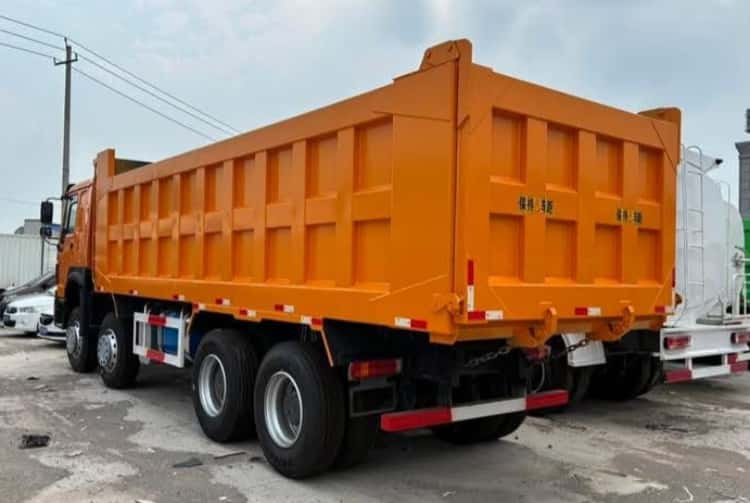
Reman Dump truck
Road testing combines off-road rough sections, repeated loaded climbing, cyclic braking and full lifting cycle validation. The payload replicates bulk material density, which creates uneven, shifting load during haul and dumping. Every test sequence includes multiple full hoist raise/lower cycles under loaded condition, to check for hydraulic drift, bracket deflection and frame twist during tipping. Vibration and shock logging take higher priority than steady-speed fuel curve. Post-test inspection includes rechecking hinge, subframe and fastener torque after cyclic shock loading. This is the biggest difference: a dump truck road test is as much a hydraulic and structural cycle test as it is a drive test.
Duty envelope and fatigue margin benchmark
Reman Tractor Truck
The duty envelope is defined by maximum GCW, highway speed limit and continuous operating hours. Residual fatigue margin is calculated for long-duration steady load. It allows extended continuous driving, with scheduled structural inspection at longer mileage intervals. Warranty coverage is tied to mileage and continuous operating hours.
Reman Dump Truck
The duty envelope is defined by maximum payload, permitted terrain, maximum tipping cycles per day and maximum gradient. Cycle count becomes the primary fatigue metric, more important than mileage. Even at the same tonnage, a dump truck that completes hundreds of load-dump cycles per week consumes frame fatigue margin far faster than a tractor. Structural re-inspection intervals are much shorter, and warranty terms are written around cycle limits, not mileage alone.
Traceability and quality log focus
Reman Tractor Truck
Quality log prioritises engine dyno curves, driveline scan data, fifth wheel inspection records and highway brake thermal logs.
Reman Dump Truck
Quality log adds dedicated records for hydraulic bench tests, lifting cycle pressure traces, subframe NDT scans and hinge/bushing wear measurements. Every hoist test cycle is logged as part of the reman release evidence.
Shared benchmark rules that apply to both
These core REMAN ROAD requirements do not change between reman tractor truck and reman dump truck:
- Full disassembly is mandatory for authentic reman
- All load-bearing components are evaluated by fatigue criteria, not only visual condition
- Loaded bench and dynamic validation are required before certification
- All measurement data is locked to VIN in the Quality Log
- Independent audit is required before certificate issuance
Common procurement mistake
Many buyers apply tractor truck reman standards to dump truck cores. They focus on engine and gearbox condition, while skipping deep subframe, hinge and hydraulic cycle testing. This produces a truck that drives well on a highway test run but develops cracking, hydraulic failure or loose mountings after a few weeks of mine-site cyclic tipping work.
Final Takeaway
Tractors and dump trucks follow the same top-level engineering definition of authentic truck reman, but their quality benchmarks are tuned to their unique fatigue modes. Tractor benchmarks prioritise steady-state highway driveline harmony, long-run thermal stability and fifth-wheel structural integrity. Dump truck benchmarks tighten screening on subframe and lifting points, enforce hydraulic cycle validation, test under impact and tipping load, and use cycle count rather than mileage as the core fatigue metric. REMAN ROAD’s differentiated benchmarking ensures the reman certificate and duty envelope reflect the real failure risks each vehicle will face in service.