Remanufactured Heavy Trucks Inspection Checklist You Can Bring To Site Visits
Introduction
Visiting a remanufacturing facility in person is one of the most effective ways for fleet procurement managers, technical supervisors and audit representatives to verify whether a supplier delivers genuine remanufactured heavy trucks, rather than superficial refurbishment. Many buyers only review sales brochures and certificates remotely, which leaves hidden quality risks undiscovered.
This on-site inspection checklist aligns with REMAN ROAD’s global reman benchmarks, covering incoming core inspection, process control, component handling, reassembly, final testing and document verification. You can directly carry and use this checklist during factory audits, helping your team objectively judge rebuild quality, eliminate information asymmetry and avoid costly procurement mistakes.
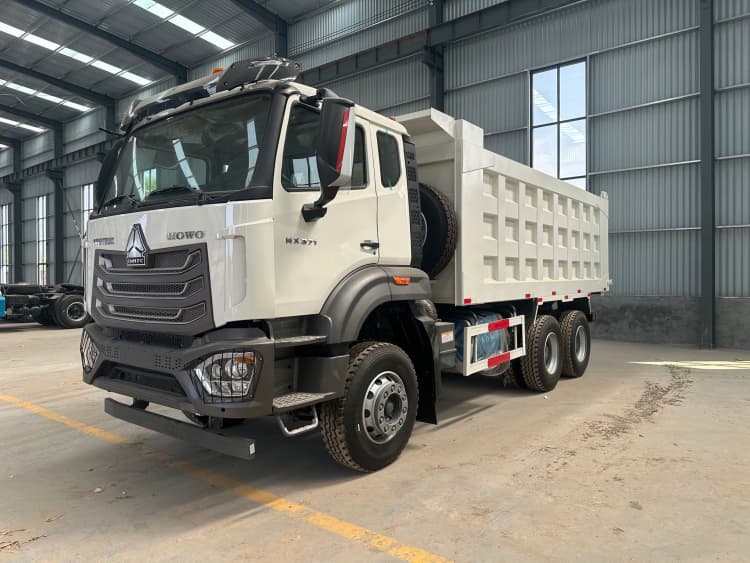
Incoming Core Acceptance Inspection
- Confirm written core acceptance criteria are posted and followed on-site
- Check that every core has a unique serial number traceability label
- Verify visual inspection for major cracking, deformation, collision damage and severe corrosion
- Confirm dimensional measurement records for key structural assemblies
- Check NDT (non-destructive testing) plans for high-load parts: frame, engine block, crankshaft, axle housing
- Confirm cores with overload history, fatigue cracks or out-of-tolerance dimensions are marked for scrapping, not repair
- Review rejection records: confirm rejected cores are segregated and not mixed with rebuild-eligible stock
Disassembly & Cleaning Process Check
- Confirm full disassembly is performed, not partial teardown only
- Check dedicated cleaning stations for engine parts, transmission parts and chassis components
- Verify that carbon, oil sludge, rust and old sealant are fully removed before inspection
- Confirm separated parts are labelled clearly to avoid cross-mixing between different truck units
- Check segregation bins for reusable parts, scrapped parts and new replacement parts
- Confirm worn small fasteners, old gaskets and seals are discarded immediately instead of reuse
Component Inspection & Sorting Verification
- Inspect measuring tools: micrometers, dial gauges, torque tools are calibrated and within valid calibration date
- Review wear tolerance sheets for crankshaft, gears, bearings, piston assemblies
- Confirm all high-cycle wear parts are marked for mandatory replacement: bearings, seals, gaskets, friction plates
- Confirm used parts passing inspection are stored in clean, dust-free storage zones
- Confirm damaged or fatigue-affected components are scrapped, with photo records retained
- Confirm inspection technicians record results one-by-one instead of bulk generic sign-off
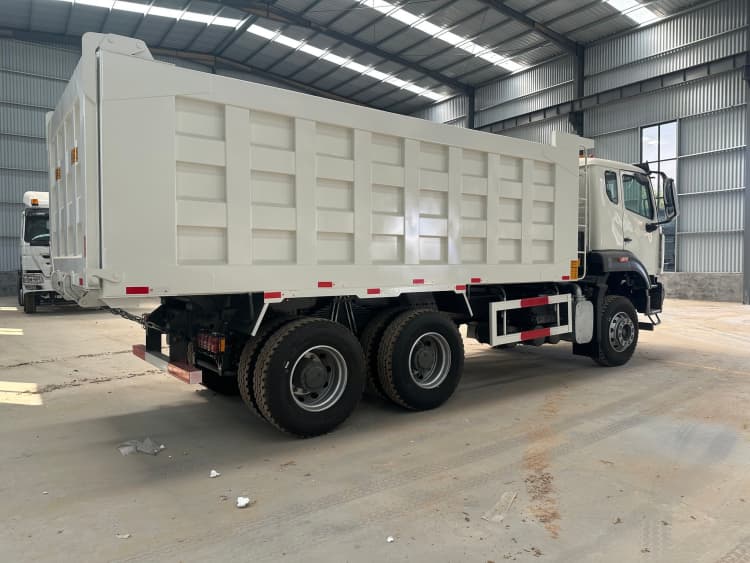
Replacement Parts & Material Verification
- Check new replacement parts packing and batch traceability
- Confirm suppliers can provide part source documents for key consumables
- Confirm no second-hand worn wear-parts are reused to cut costs
- Confirm spare parts storage environment is dry, protected from moisture and contamination
- Cross-check: part replacement manifest matches the actual parts installed on the truck under inspection
Reassembly Process Audit
- Check standard reassembly work instructions and torque specification sheets are available at work stations
- Confirm technicians follow sequence specifications, no arbitrary assembly shortcuts
- Verify tightening sequence and torque records for critical bolt groups
- Check sealing materials, thread locker and lubricants match specification requirements
- Confirm reassembly checklists are filled step-by-step after each assembly stage
Post-Assembly Functional & Performance Testing
- Confirm static leak test for oil circuits, fuel system, cooling system, air brake circuit
- Confirm pressure stability test for hydraulic and pneumatic systems
- Check dynamometer or power output test records where applicable
- Confirm brake system full functional test, including braking force and response test
- Verify road test checklist: startup, acceleration, shifting, idling, abnormal noise check
- Confirm any defects found during testing are fully reworked and retested before release
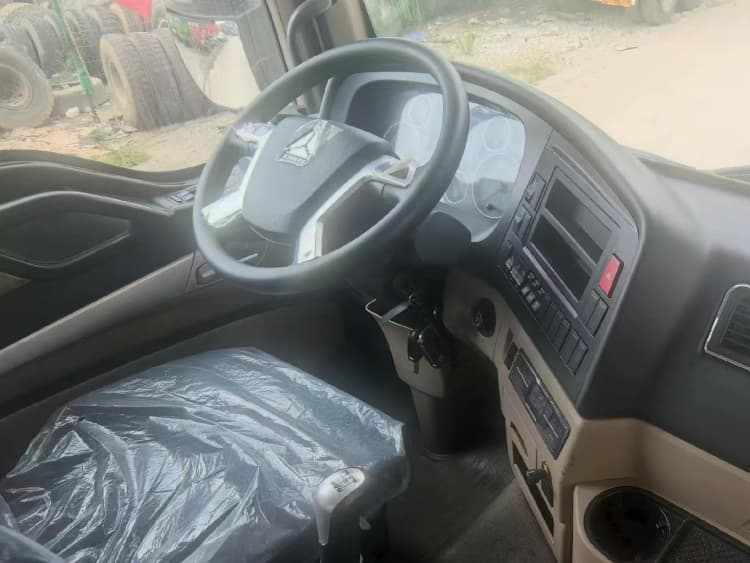
Final Documentation & Certification Review
- Each vehicle has a complete, serial-number matched document pack
- Incoming core inspection form, NDT reports, dimension logs are present
- Component replacement list, reassembly checklist, test reports are filed
- Final certification form clearly states the remanufacturing standard followed
- Warranty terms, scope and exclusions are clearly written, no ambiguous wording
- Digital backup system exists for all records for long-term traceability
Facility, Quality Control & Housekeeping
- Separate zones for incoming cores, disassembly, inspection, reassembly, testing and finished products
- Housekeeping: no piled-up unmarked parts that cause cross contamination
- QC staff are independent from production team, with authority to stop non-compliant batches
- Non-conformity handling procedure exists, with corrective action records
Quick Pass / Caution / Fail Judgment Notes
- ✅ PASS: Every mandatory checkpoint completed, records match physical evidence, aligns with standard reman workflow
- ⚠️ CAUTION: Partial documents missing, testing simplified, tolerance standards unclear; request supplementary evidence
- ❌ FAIL: No NDT records, incomplete disassembly, reuse of friction/wear parts, no serial traceability — not genuine remanufactured heavy trucks
Conclusion
This inspection checklist helps your team turn subjective site impressions into structured, auditable evidence. When visiting a remanufacturing workshop, use these items to separate genuine remanufactured heavy trucks from simple repair or cosmetic refurbishment.
Aligned with REMAN ROAD’s benchmarks, this checklist reduces procurement risk, helps your fleet select reliable remanufactured heavy trucks, and ensures every purchased asset meets consistent, traceable rebuild standards.