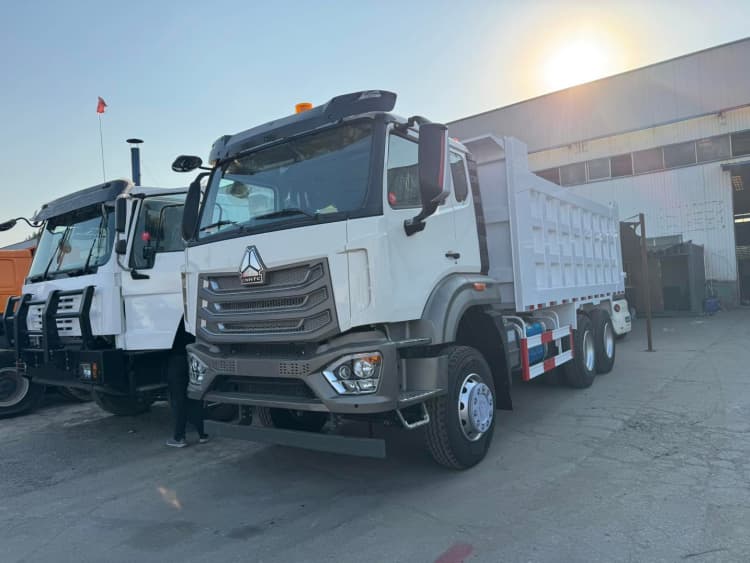
Fleet Asset Rotation Strategy: When To Add Reman Units Into Your Portfolio?
Introduction
Fleet rotation is not just about replacing broken trucks. It is a continuous strategy to control downtime, stabilise maintenance spend and preserve capital value. Certified reman units offer a cost‑effective addition to your asset mix, but adding them at the wrong time can create idle capacity or mixed reliability issues. This guide outlines the key trigger points to integrate REMAN ROAD certified reman unit into your fleet portfolio.
When existing assets hit rising repair frequency thresholds
Track maintenance records for your current fleet. When older trucks begin showing repeated component failures and repair costs climb steadily, it signals the right replacement window. Instead of pouring money into endless patch repairs, phase them out and bring in certified reman units with fresh rebuild cycles and full inspection records.
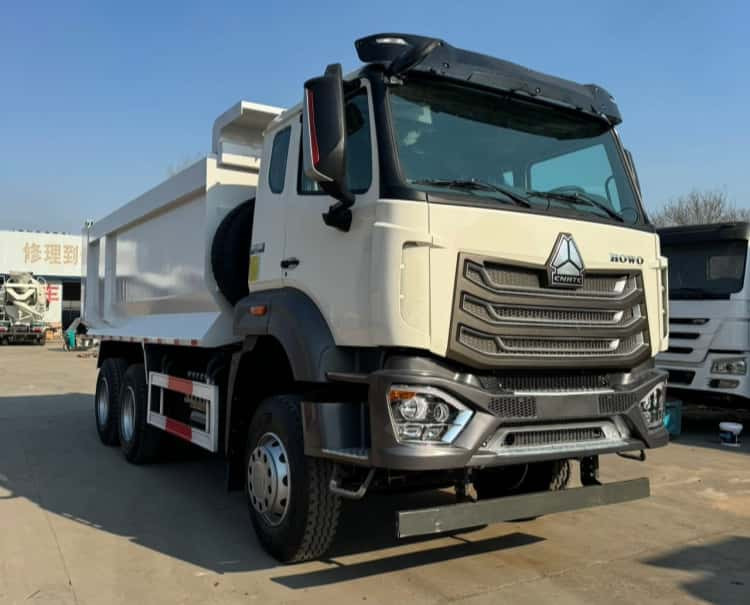
When you need extra capacity for fixed-term project work
For time-bound mining, road or quarry contracts, reman is ideal. You can add certified reman units to meet temporary haulage demand without committing to the high upfront cost of new vehicles. Thanks to predictable residual value, these assets can later be resold, leased out or reassigned once the project finishes.
When your fleet needs to improve ESG and carbon reporting
If your business faces ESG tender requirements, sustainability-linked financing rules or scope 3 reduction targets, reman units are a strong addition. Their auditable embodied carbon savings help you hit KPIs. Add them gradually during regular rotation cycles instead of a one‑off bulk purchase.
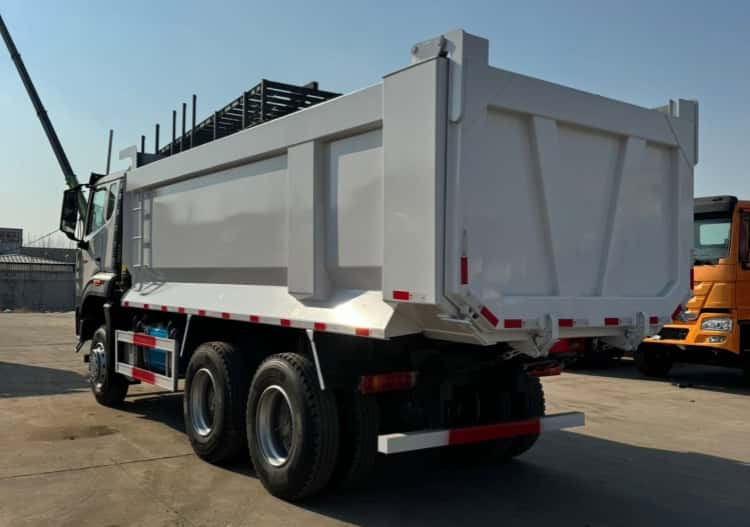
When new truck lead times or pricing become prohibitive
Long OEM lead times and volatile steel costs can delay your renewal plan. Standardised reman units have shorter production cycles and more stable pricing. Insert certified reman units into your rotation schedule to fill supply gaps and keep your haulage capacity on track.
When you want to balance the residual-value curve of your fleet
A portfolio made entirely of brand-new trucks suffers steep early depreciation. A fleet full of old used trucks carries high failure risk. Mixing certified reman units creates a smoother depreciation profile. Rotate assets so you spread capital loss risk across the whole fleet.
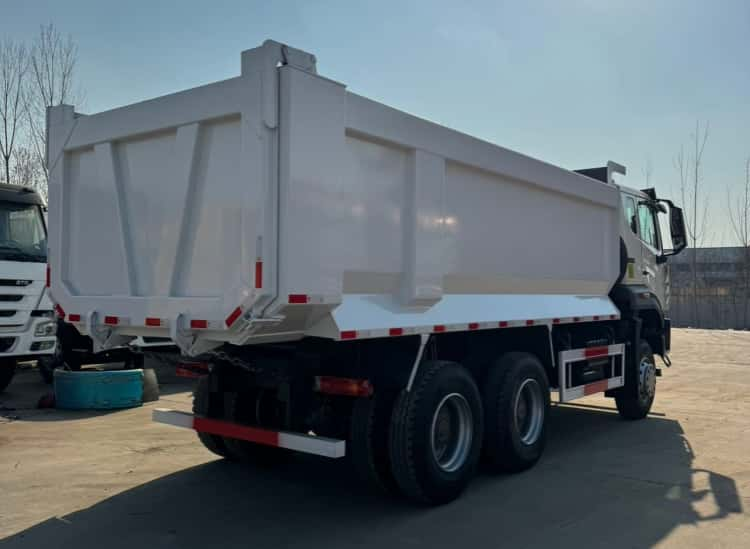
Before peak operating seasons or high-demand cycles
Plan additions ahead of known busy periods. Procure and complete pre-handover inspection for reman units during low‑demand windows. This avoids rushing purchases under time pressure, reduces quality compromise and ensures trucks are ready before workload spikes.
When you phase out high-risk uncertified second-hand stock
If your fleet still contains unvetted second-hand trucks with unknown service history, use rotation to replace them step by step. Certified reman units with complete traceability lower overall fleet risk and simplify audit and tender compliance.
Conclusion
Reman units fit best into your fleet rotation at defined trigger points: rising repair costs, temporary project demand, ESG compliance needs, new-supply shortages, residual-value balancing and pre‑peak capacity preparation. By scheduling reman additions into your regular asset cycle, you optimise TCO and maintain stable haulage performance without unnecessary capital risk.