New vs Used vs Reman Heavy Truck: Simple Guide for Fleet Buyers
Introduction
Fleet managers face a fundamental choice when expanding or renewing their heavy-duty fleet: buy brand-new trucks, source pre-owned used trucks, or invest in certified reman heavy truck. All three options can move cargo, but they differ dramatically in upfront capital outlay, reliability risk, total cost of ownership, asset lifespan and carbon footprint.
This simple guide breaks down each option, highlights trade-offs, and helps fleet buyers match their purchasing decision to operational requirements, budget and long-term business goals.
Brand-New Heavy Truck
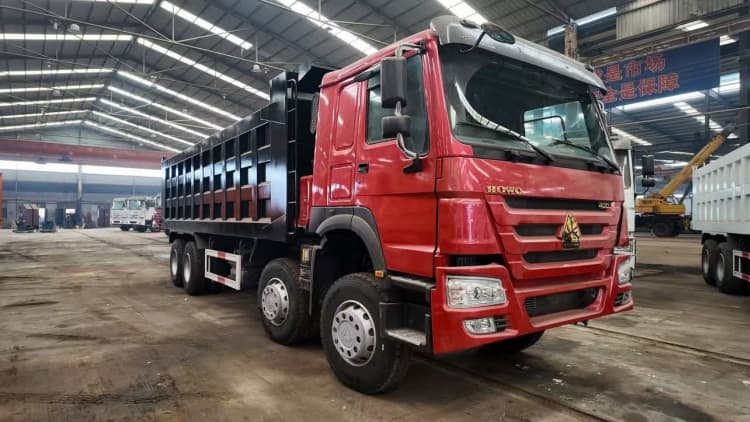
New heavy trucks come directly from the OEM factory, with zero prior operating hours.
Key advantages
- Full factory warranty, zero accumulated wear, predictable long service life from day one.
- Latest engine, electronic and emission technology, full OEM technical support and spare parts availability.
- Low risk of unexpected breakdowns in the first several years of operation.
Main drawbacks
- Very high upfront CAPEX. New trucks demand the largest initial investment, tying up substantial business capital.
- Steep depreciation in the first 2–3 years. A brand-new truck loses significant asset value immediately once it enters service.
- Highest embodied carbon footprint. Manufacturing a new heavy truck consumes massive amounts of virgin ore, steel and industrial energy, creating large cradle-to-gate greenhouse gas emissions.
- Long lead times are common, as factory production and shipping schedules may delay fleet expansion plans.
Best for fleets with large capital budgets, long retention plans, strict emission requirements and priority on factory warranty coverage.
Used Heavy Truck
Used trucks are previously operated vehicles sold with their original accumulated wear intact. Work may be limited to basic cleaning and minor repairs to make the vehicle drivable.
Key advantages
- Lowest upfront purchase price among the three options. Fast availability for immediate fleet needs.
- Simple procurement process with no long manufacturing lead times.
Main drawbacks
- High hidden risk. Internal wear, metal fatigue or structural defects often remain undiscovered. There is no mandatory NDT screening. Hidden faults can trigger costly unplanned downtime.
- Unpredictable remaining service life. Service history may be incomplete or unreliable. Maintenance costs tend to rise quickly as components age.
- Limited or expired warranty in most cases.
- No lifecycle reset. The truck continues aging from its original accumulated operating hours.
Best suited for short-term, low-utilization jobs, temporary fleet fill-ins, or buyers who accept higher breakdown risk and have in-house maintenance teams ready to handle frequent repairs.
REMAN ROAD Certified Reman Heavy Truck
Certified reman heavy truck are built from qualified, structurally sound retired truck cores, regenerated through the full gated reman workflows defined by REMAN ROAD. Only cores passing mandatory NDT structural screening enter production. The full vehicle is disassembled, components graded, structural parts precision-machined back to OEM tolerances, and all fatigue-critical wearing components replaced with new specification parts. Finished trucks complete bench dyno and full-load road testing, with all reman workflows steps recorded in a VIN-linked traceability dossier and validated by independent third-party audit.
Key advantages
- Moderate upfront CAPEX, far lower than buying new trucks. Capital is preserved for other fleet or business investments.
- Near-new OEM equivalent performance, with fully reset asset service life. Reliability is predictable, similar to a new truck.
- Lower long-term TCO. Reduced depreciation curve, fewer unexpected breakdowns and lower downtime costs compared to used trucks.
- Proven carbon savings. Reusing the original frame, engine block and axle housings avoids most embodied carbon of new truck production, supporting ESG reporting.
- Full traceability and formal certification, with defined warranty coverage.
Main drawbacks
- Higher purchase price than basic used trucks, as it covers the complete industrial reman workflows, testing and certification.
- Buyers must verify suppliers follow the full REMAN ROAD standard, to avoid buying refurbished units falsely marketed as remanufactured.
Best for medium and large fleets with long-term heavy-duty operation, seeking balanced CAPEX, reliable performance, lower TCO and verifiable sustainability benefits.
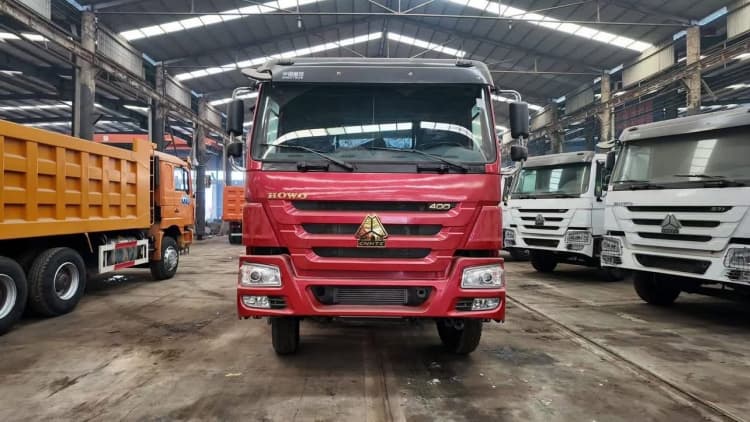
Core Comparison Framework for Fleet Buyers
Upfront Investment
- New Truck: Highest capital cost
- Used Truck: Lowest capital cost
- Reman Heavy Truck: Mid-range cost, sits between new and used
Reliability & Downtime Risk
- New Truck: Very low risk
- Used Truck: High, unpredictable risk
- Reman Heavy Truck: Low risk, comparable to new certified assets
Remaining Service Cycle
- New Truck: Full original OEM service life
- Used Truck: Unknown residual life, no reset
- Reman Heavy Truck: Fully reset full service cycle
Depreciation & Residual Value
- New Truck: Sharp early depreciation
- Used Truck: Depreciation curve is flatter, but asset condition is uncertain
- Reman Heavy Truck: Stable depreciation curve, protected residual value backed by certification
Carbon Impact
- New Truck: Highest embodied carbon emissions
- Used Truck: Low incremental carbon, but no lifecycle regeneration
- Reman Heavy Truck: Dramatically reduced embodied carbon, auditable carbon savings
Documentation & Warranty
- New Truck: OEM factory warranty, complete factory documentation
- Used Truck: Limited records, usually no meaningful warranty
- Reman Heavy Truck: VIN traceability dossier, independent certification and structured warranty
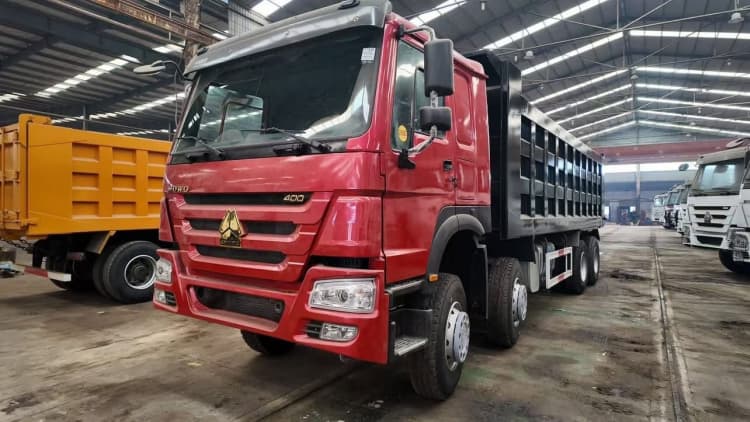
How to Make Your Final Fleet Purchase Decision
- Choose new trucks if you have sufficient capital, require latest emission technology, plan to retain assets for many years and rely on OEM warranty support.
- Choose used trucks only for short-term temporary assignments, if you have robust in-house maintenance and can absorb the risk of sudden failures.
- Choose certified reman heavy trucks if you want near-new reliability, reduced upfront spending, stable long-term operating costs, and verifiable sustainability gains for your fleet.
Common Misconceptions
- ❌ Myth: Reman heavy trucks are just expensive used trucks. Fact: A used truck retains accumulated wear. A certified reman heavy truck has its fatigue life fully reset through full disassembly, NDT screening, proactive part replacement and performance validation.
- ❌ Myth: Used trucks always deliver the lowest total cost of ownership. Fact: Cheap upfront purchase price often gets erased by emergency repairs, downtime and lost revenue from breakdowns.
- ❌ Myth: New trucks always have the best long-term value. Fact: The steep initial depreciation of new heavy trucks can raise TCO substantially for many fleet operators, even with low maintenance costs.
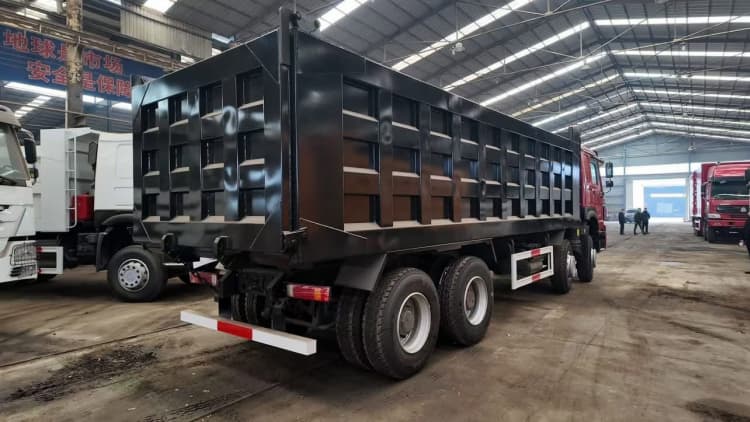
Conclusion
New, used and reman heavy trucks each fit distinct fleet business scenarios. New trucks offer maximum reliability at the highest capital cost. Used trucks provide low entry pricing but carry high operational risk. REMAN ROAD certified reman heavy trucks deliver a balanced middle path: near-new performance, reset service life, lower CAPEX than new trucks, auditable carbon reductions and predictable TCO for long-running heavy-duty fleets.
When evaluating procurement options, fleet buyers should look beyond sticker price and assess total lifecycle cost, downtime risk, residual asset value and sustainability goals.