Near-New Performance Restoration: The Core Principle of Industrial Remanufacturing
Introduction
Many people mistakenly think remanufacturing only aims to make an old truck “run again.” This common misunderstanding confuses remanufacturing with repair, overhaul or cosmetic refurbishment. At its heart, industrial remanufacturing is built on one non-negotiable core principle: near-new performance restoration.
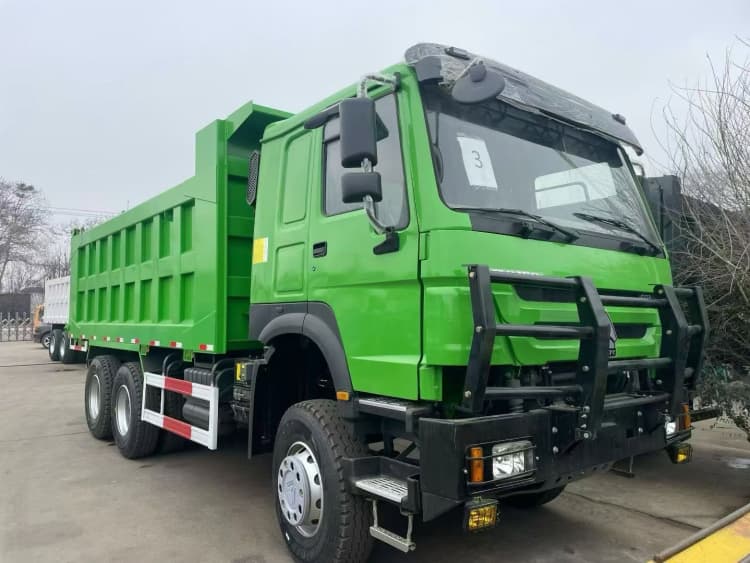
Under the REMAN ROAD standard, a heavy remanufactured truck must not merely be drivable. It must restore the asset’s performance, reliability and operating characteristics to match the specifications of an equivalent brand-new OEM truck. This article explains what near-new performance restoration means, how it is achieved, and why this principle separates industrial remanufacturing from lower-quality rebuild work.
What Is Near-New Performance Restoration?
Near-new performance restoration means returning a retired heavy-duty truck core to the original OEM performance envelope it had when first manufactured. It requires that all critical functional metrics fall within the published tolerance ranges for a new vehicle of the same model.
This principle applies across the entire vehicle, not just the engine. It covers power output, torque curve, braking performance, thermal stability, transmission shifting, handling, fuel consumption, emission performance and vibration control. The finished heavy remanufactured truck should behave, under heavy working loads, in the same way as a brand-new heavy truck.
This goal is fundamentally different from simple repair or overhaul. Repair stops once a fault is eliminated. Overhaul restores enough function for continued service. Near-new restoration systematically removes accumulated wear and fatigue across all systems, so the asset’s performance baseline matches a new unit.
How REMAN ROAD Standard Achieves Near-New Performance?
Screen Eligible Cores With Structural Integrity
Performance cannot be restored if the underlying base structure is compromised. The process starts with intake inspection and mandatory NDT testing for frame, engine block, cylinder head and axle housings. Cores with irreversible cracks, severe corrosion, crash deformation or excessive metal fatigue are rejected. Only components with intact base metallurgy are allowed to enter reman step. A sound core is the prerequisite for near-new performance.
Full Disassembly and Component Grading
The whole truck is fully disassembled into individual components. Every part is cleaned thoroughly and inspected. Each component is graded into reusable, repairable or scrap. Parts that exceed OEM wear limits are discarded. Reusable structural cast and forged components go through precision machining to remove surface wear and restore original dimensions and surface finish. Machining must stay within OEM maximum allowable stock removal limits.
Proactive Replacement of All Fatigue-Critical Components
Even if wear parts still seem functional, REMAN ROAD standard requires proactive replacement of fatigue-limited consumables. Bearings, piston rings, seals, gaskets, brake friction materials, rubber hoses and high-torque fasteners are all replaced with new parts meeting OEM equivalent specifications.
This reman step eliminates latent wear that would degrade performance over a short time. It prevents gradual power loss, leaks and thermal drift that commonly appear in overhauled or repaired trucks after months of heavy operation.
Calibration and Bench Testing of Sub-Assemblies
Before chassis reassembly, every key sub-assembly is rebuilt and tested independently on calibrated test benches. Engine dyno tests verify horsepower, torque, oil pressure and blow-by, matching OEM new tolerances. Transmissions, axles, brake and hydraulic systems are loaded and checked for leakage, noise and temperature stability. Any assembly failing the performance benchmark is reworked.
Full-Load Road Validation of the Complete Vehicle
After full reassembly and electronic ECU calibration, the finished heavy remanufactured truck undergoes full-load road testing under simulated real-world working conditions. Technicians monitor acceleration, pulling power, braking distance, cooling system performance, fuel consumption, vibration and emissions. All reman step data is recorded. The heavy remanufactured truck must meet near-new OEM performance standards before moving to final quality inspection.
Auditable Records and Third-Party Verification
All inspection, machining, parts replacement and test data is saved in a VIN-linked traceability dossier. An independent third-party auditor reviews the full documentation and validates that performance benchmarks have been met. Certification is only issued once near-new performance is confirmed.
Why Near-New Performance Is the Defining Principle?
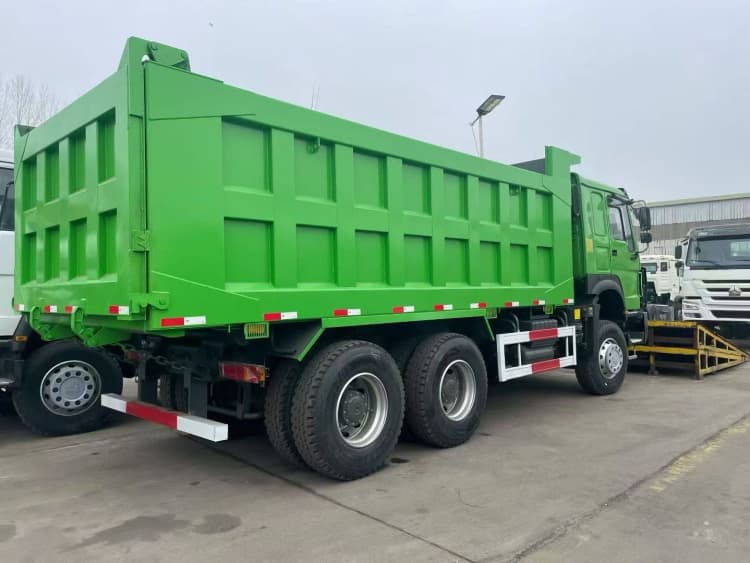
This industrial remanufacturing core principle creates tangible commercial and operational value for fleet operators:
- Predictable reliability: Performance stability matches new trucks, lowering the risk of unplanned downtime during heavy-duty operation.
- Consistent operating costs: Fuel consumption stays within OEM design range, unlike worn rebuilds that gradually lose efficiency.
- Protected residual value: Certified proof of near-new performance preserves asset resale value.
- Valid ESG claims: Reusing high-carbon structural components while achieving new-equivalent performance delivers credible, auditable carbon savings.
Without this principle, industrial remanufacturing collapses into simple overhaul. An overhauled engine may produce acceptable power today, but unaddressed wear in other systems will degrade performance over time.
Common Misconceptions
❌ Myth: “Good enough to drive” equals remanufactured near-new performance. Fact: A truck can start and haul loads while still suffering from hidden wear, reduced fuel efficiency or early component failure. Drivability is not the same as near-new OEM performance.
❌ Myth: Only engine power matters for reman performance. Fact: Near-new restoration applies to the entire vehicle. Weak brakes, overheating cooling systems or worn axles will make the truck fall short of the standard, even with a rebuilt engine.
❌ Myth: Near-new performance means the truck will be identical to new in every cosmetic detail. Fact: The REMAN ROAD standard targets functional performance, reliability and service life. Minor cosmetic differences do not disqualify the vehicle as long as all performance benchmarks are met.
Conclusion
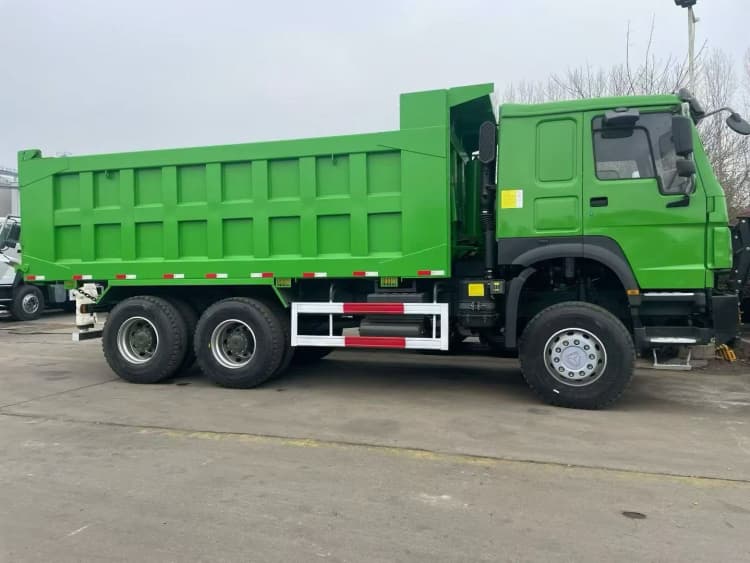
Near-new performance restoration is the foundational principle of industrial remanufacturing. It sets the objective to return a qualified heavy truck core back to OEM-equivalent performance and reliability, rather than merely fixing visible faults.
Under REMAN ROAD, this goal is delivered through rigorous core screening, full disassembly, precision dimensional restoration, proactive wear-part replacement, instrumented bench and road testing, plus independent third-party validation. This principle is what separates industrial remanufacturing from repair, overhaul and cosmetic refurbishment, giving fleet buyers predictable, new-like performance at a lower capital investment than purchasing brand-new heavy trucks.