What Is Heavy Truck Remanufacturing? Basic Definition & Core Principles
Introduction
Many fleet buyers encounter the term “reman truck” while researching asset replacement options. Yet the word is often loosely applied across the industry to describe simple repairs, overhauls or cosmetic refreshes. Genuine heavy truck remanufacturing is a formal, gated industrial process, not a quick workshop fix.
Guided by the REMAN ROAD open standard, remanufacturing transforms qualified retired heavy truck cores into assets that meet near-new OEM performance, with a fully reset service cycle. This article breaks down its official definition and non-negotiable core principles.
What is Heavy Truck Remanufacturing?
Heavy truck remanufacturing is a standardized circular regeneration process for end-of-service heavy-duty truck cores.
- Only cores that pass strict structural screening and non-destructive testing (NDT) are accepted.
- The vehicle is fully disassembled down to individual components.
- All parts are cleaned, inspected and graded.
- Reusable structural cast and forged components are precision-machined to restore original OEM dimensional tolerances.
- All fatigue-critical wearing parts are replaced with new specification-matching components.
- The vehicle is then reassembled, calibrated, bench-tested and validated via full-load road testing.
The finished truck must achieve near-new OEM performance and reliability, earning a new full service cycle, verified through independent third-party audit and VIN-linked traceability documentation.
Crucially, heavy truck remanufacturing preserves high-value, carbon-intensive base structures such as frame, engine block and axle housings. It avoids the massive embodied carbon cost of manufacturing a brand-new heavy truck from virgin raw materials.
Core Principles of Genuine Heavy Truck Remanufacturing
Eligible Core First: No Hidden Structural Defects
Remanufacturing starts long before disassembly. A retired truck can only enter the workflow if it passes intake screening. NDT detects hidden cracks, metal fatigue, severe corrosion and crash deformation. Any core with irreversible structural damage is rejected and sent for scrap recycling. The base metal integrity of major load-bearing components must remain intact. This principle separates true heavy truck remanufacturing from refurbishment, which often reuses damaged cores and only fixes visible faults.
Full Disassembly, No Skipped Assemblies
Complete teardown is mandatory. The whole truck is stripped into discrete individual parts. No major assembly remains sealed or uninspected. Partial disassembly, such as rebuilding only the engine while leaving the chassis untouched, counts as overhaul, not remanufacturing. Full disassembly ensures every single component can be inspected, graded and restored or replaced.
Component Grading & Precision Dimensional Restoration
After cleaning, every component is graded into reusable, repairable or scrap. Reusable cast and forged structural parts go through precision machining to recover OEM tolerances. Machining is limited to OEM allowable stock removal limits. If too much material must be removed to fix wear or distortion, the part is scrapped. The goal is to restore original geometry, surface finish and load distribution matching new OEM specifications.
Proactive Replacement of Fatigue-Limited Components
This principle is one of the biggest distinctions between truck remanufacturing and repair. All consumable, safety-critical and fatigue-prone components are replaced with new equivalent parts, regardless of visual condition. Bearings, seals, gaskets, piston rings, brake linings, rubber hoses and high-torque fasteners fall in this category. Instead of waiting for parts to fail in service, remanufacturing replaces wear elements upfront. The durable original structural substrate is retained, while all dynamic contact points are fully refreshed.
Near-New OEM Performance Target
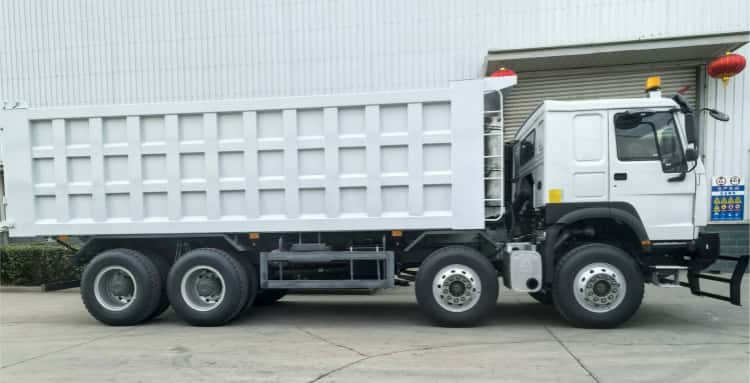
The end product must perform like a new equivalent heavy truck. Rebuilt sub-assemblies undergo instrumented bench testing. The complete vehicle passes full-load road validation, checking power, torque, thermal stability, braking and vibration. All performance metrics must sit within OEM new-part tolerance ranges. A truck that merely “runs” after rebuild does not satisfy this principle.
Full VIN Traceability & Auditable Records
Every inspection, machining action, part replacement and test result is logged and permanently tied to the vehicle’s unique VIN. The complete traceability dossier includes intake inspection reports, NDT results, component grading logs, parts replacement records and performance test data. This creates an evidence trail for buyers, auditors and ESG carbon reporting.
Independent Verification, Not Self-Certification
Factory self-checks are not enough. An independent third-party auditor reviews the full workflow documentation and inspects the finished vehicle. Only vehicles passing the external audit receive official REMAN ROAD remanufacturing certification.
How Remanufacturing Differs From Repair, Overhaul and Refurbishment?
- Repair: Fixes one single fault, partial disassembly, no lifecycle reset.
- Overhaul: Often rebuilds one assembly such as the engine; the rest of the chassis remains uninspected.
- Refurbishment: Cosmetic cleaning and repainting, fixing obvious visible defects, no full disassembly or NDT.
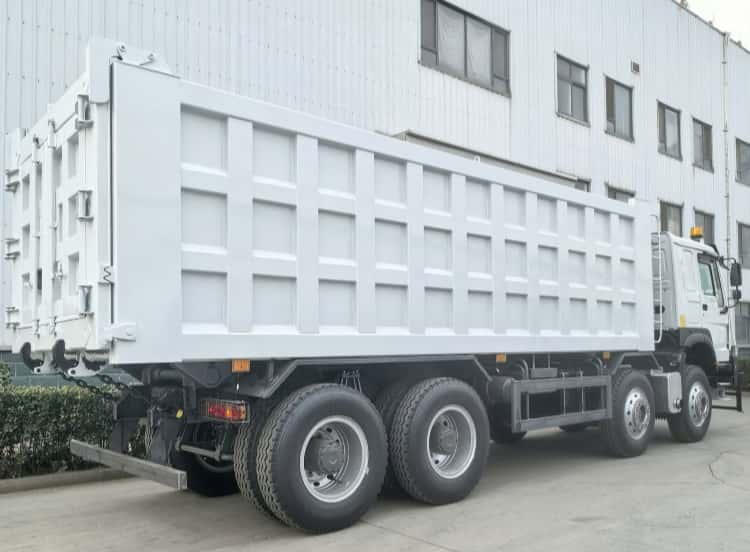
- Genuine Remanufacturing: Full vehicle teardown, structural screening, proactive part replacement, quantified performance testing, traceability and third-party certification, delivering near-new performance and reset service life.
Common Misconception
❌ Myth: Reman trucks are just old patched-up second-hand vehicles. Fact: Genuine reman truck retains only sound structural metal substrates. All wearing components are new, dimensions are restored, and performance is validated against new OEM benchmarks. The asset’s fatigue life is fully reset.
Conclusion
Heavy truck remanufacturing is a rigorous, standardized circular industrial process. Its core principles — strict core screening, full disassembly, component grading, proactive fatigue part replacement, near-new performance validation, VIN traceability and independent audit — set clear boundaries separating genuine truck remanufacturing from lower-quality rebuilds. Frameworks like REMAN ROAD codify these principles, helping global fleet buyers understand remanufacturing’s true definition and avoid misleading marketing claims in the heavy truck market.