Standardized Remanufacturing: How It Reduces Carbon Emissions in Truck Industry?
Introduction
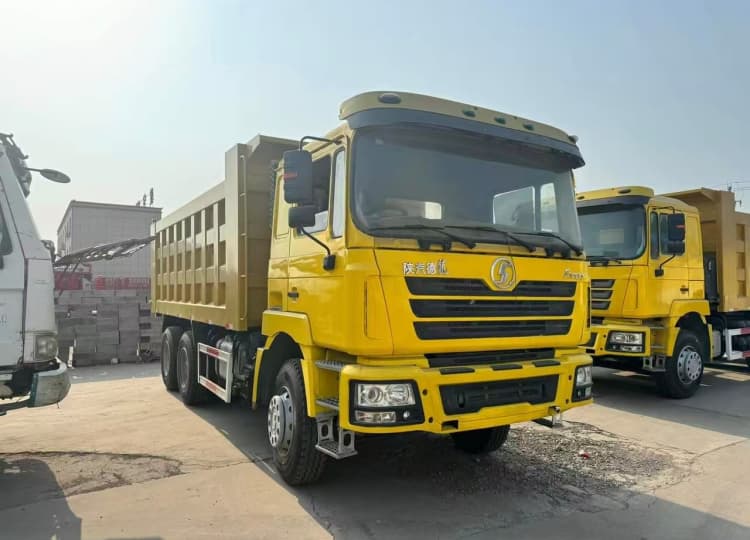
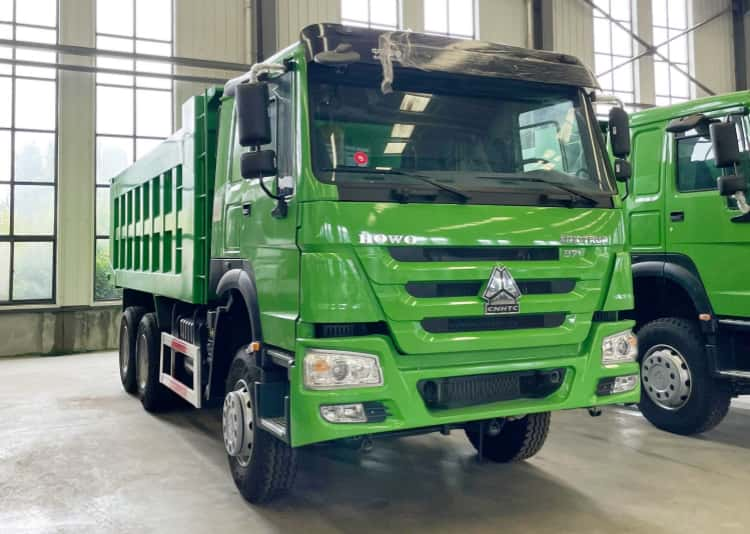
Heavy-duty truck manufacturing is highly carbon-intensive. Producing a brand-new heavy truck demands large volumes of virgin steel, cast metal, mining, smelting, forging and extensive factory energy use. Every frame, engine block and axle housing carries massive embodied carbon.
Standardized remanufacturing offers a proven circular alternative. Instead of melting down old trucks and building assets from raw materials, genuine reman reuses intact high-carbon base components.
Under frameworks such as REMAN ROAD, standardized remanufacturing process ensure these emission reductions are consistent, measurable and auditable, rather than just marketing claims. This article explains how standardized remanufacturing cuts carbon emissions across the truck industry.
The Source of Embodied Carbon in Heavy Trucks
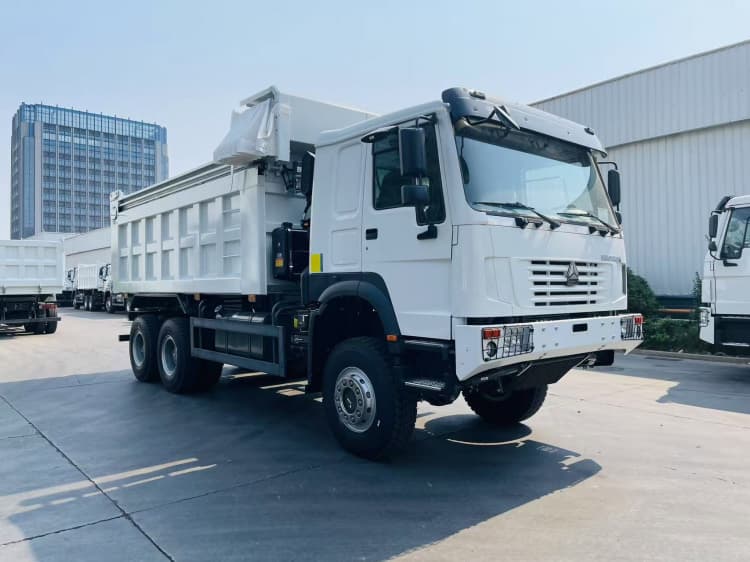
Most of the carbon footprint of a new heavy truck is locked inside its major structural cast and forged parts. The frame, engine block, cylinder head and axle housings require energy-intensive metallurgical production. Smelting iron and steel consumes fossil fuels and releases large amounts of CO₂. Even before the truck turns its first wheel, these components already account for a large share of the vehicle’s total lifecycle emissions.
When an old truck is scrapped, these valuable castings are often sent for melting. While steel recycling saves some carbon, re-melting still consumes significant energy. Standardized remanufacturing avoids this by retaining the original intact cast and forged structures. It preserves the carbon already invested in these core parts.
How Standardized Remanufacturing Lowers Carbon Footprint?
Reuse High-Embodied-Carbon Core Components
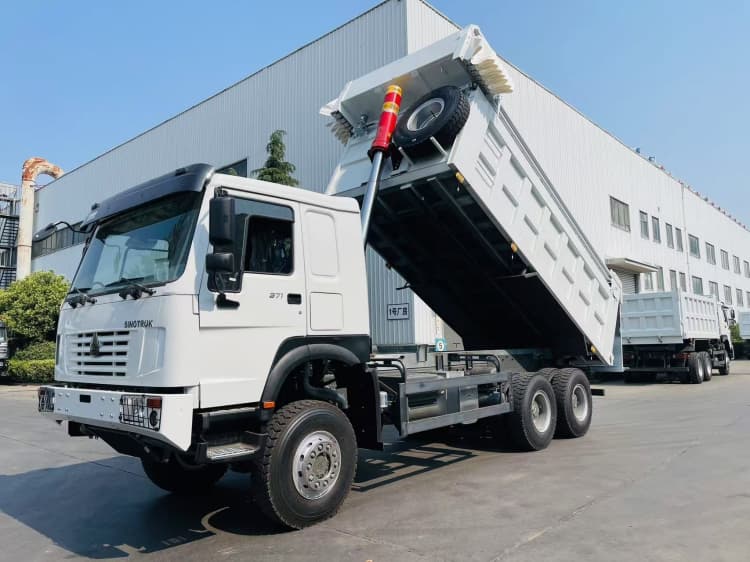
The biggest carbon saving comes from retaining sound frame, engine block and axle housings. In REMAN ROAD standardized remanufacturing process, cores first pass NDT screening to confirm structural integrity. If qualified, these heavy metal components are cleaned, precision-machined and reused. There is no need to manufacture brand-new castings. This eliminates the largest portion of embodied carbon associated with building a new truck.
Only wear-prone smaller parts like bearings, seals, gaskets and fasteners are replaced with new components. These smaller parts represent a tiny fraction of the carbon cost compared with major cast structures.
Reduces Virgin Raw Material Extraction & Processing
Standardized remanufacturing process reduces demand for mined iron ore, alloy metals and the energy needed for smelting and casting. Less virgin material production translates directly to fewer greenhouse gas emissions, less water consumption and less mining-related environmental impact. Unlike ad-hoc refurbishment, standardized remanufacturing has fixed rules for core acceptance and component reuse, so raw material savings are predictable and repeatable from one vehicle to the next.
Less Energy Consumption Than New Manufacturing or Scrap Recycling
Producing a new casting requires extreme heat for melting, pouring and heat treatment. Scrap recycling also requires re-melting metal. Remanufacturing machining operations use far less energy. Cleaning, grinding, honing and dimensional restoration consume a fraction of the energy needed for metal smelting. Standardized remanufacturing process optimizes factory operations further: consistent procedures reduce waste, rework and excess energy use.
Standardized Remanufacturing Process Makes Carbon Savings Auditable
This is a critical advantage of standardized remanufacturing. Unregulated rebuilds cannot reliably quantify emission reductions. REMAN ROAD defines clear rules for carbon accounting boundaries, requiring records for core origin, component reuse, factory energy consumption and replacement parts procurement. Every reman vehicle has a VIN-linked traceability dossier. Fleet operators can use these verified records for ESG reporting, Scope 3 carbon accounting and carbon saving claims.
Extends Asset Service Cycles to Lower Fleet-Wide Emissions
By resetting the service life of a heavy truck, standardized remanufacturing delays the need to manufacture a brand-new replacement vehicle. Fleet turnover cycles stretch longer. Instead of scrapping and purchasing new trucks frequently, fleets deploy certified reman assets. This lowers the total volume of new truck production required to support freight operations over time, cutting industry-wide cumulative emissions.
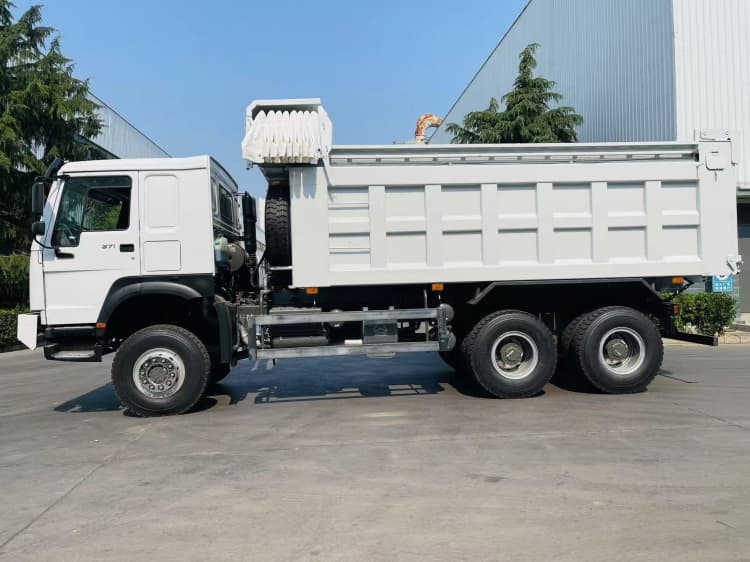
Carbon Savings vs Other Vehicle Options
- New heavy truck: Highest total embodied carbon. Large emissions from virgin metal casting and assembly.
- Basic used truck: No new manufacturing emissions, but limited service life extension. It will reach end-of-life quickly, requiring a new replacement sooner. No performance guarantee, so fuel consumption may be higher.
- Standardized reman vehicle: Massive cut in embodied carbon. Near-new OEM fuel efficiency and full reset service cycle. Verified, auditable carbon reductions.
Common Misconceptions
❌ Myth: Remanufacturing carbon savings are the same as scrap metal recycling. Fact: Recycling melts the metal and still uses substantial energy. Standardized remanufacturing keeps the original casting intact, preserving nearly all of the carbon already invested in that component. Carbon savings are much larger than scrap recycling.
❌ Myth: The energy used in reman machining cancels out emission benefits. Fact: The energy for cleaning and machining is only a small fraction of the energy required for casting new heavy truck components. Multiple independent lifecycle analyses confirm net large carbon reductions.
❌ Myth: Any rebuilt truck automatically delivers verifiable carbon savings. Fact: Without standardized criteria, full traceability and third-party audit, carbon claims are just marketing. Only standardized remanufacturing like REMAN ROAD enables credible carbon reporting for fleets.
Conclusion
Standardized remanufacturing process cuts truck industry carbon emissions primarily by reusing structurally intact, high-carbon cast and forged core components. It avoids the enormous embodied carbon cost of manufacturing brand-new frames, engine blocks and axles, while reducing demand for virgin ore and high-energy metal smelting.
The “standardized” element is essential. Fixed workflows, core screening rules and full VIN traceability turn vague environmental claims into auditable carbon savings. For fleet operators, REMAN ROAD certified reman vehicle provide a practical circular economy path to lower Scope 3 emissions while maintaining near-new vehicle performance and reliable heavy-duty operation.